Blood pressure reveals how efficiently your heart and arteries are functioning together. When blood flows with the right amount of force, your organs receive enough oxygen without placing stress on the arteries. However, when the pressure stays high for a long period of time, the heart works harder, the arteries become stiffer, and the risk of serious cardiovascular problems rises. That condition is called hypertension, and it is one of the most common yet highly preventable threats to heart health worldwide.
What the Two Blood Pressure Numbers Mean
A blood pressure reading contains two values, each representing a different phase of the heartbeat. The systolic number measures the force as the heart pushes blood outward, while the diastolic number reflects the resting pressure between beats. These two components give doctors a clear picture of how much stress the heart is under. Even if only one of the numbers is elevated, it may still signal early signs of hypertension and require follow up. Understanding these two numbers helps patients stay more aware of their own heart health.
Normal Blood Pressure Range
A normal reading is less than 120 systolic and less than 80 diastolic. This is considered the ideal range for most adults because it suggests the heart is not under strain and arteries are functioning well. To keep blood pressure healthy, people should focus on daily lifestyle habits such as regular exercise, nutritious eating with fresh produce, weight control, and stress reduction techniques. At this stage, prevention is the key. Maintaining these healthy habits can reduce the chance of hypertension, stroke, and kidney disease in the future.
Elevated Blood Pressure, The First Warning Sign
Elevated blood pressure happens when the systolic number rises between 120 and 129 while the diastolic number stays below 80. This is not yet hypertension, however it indicates that blood vessels are beginning to tighten and the heart is gradually taking on more work. Many patients in this category do not notice any symptoms, which is why regular check ups are so important. Doctors typically recommend improving eating habits, lowering salt intake, boosting physical activity, and managing stress early to avoid progression into true hypertension.
Stage 1 Hypertension, A Risk That Requires Action
Stage 1 Hypertension is diagnosed when the systolic number stays between 130 and 139, or the diastolic number remains between 80 and 89. At this point, measurable damage can begin affecting the arteries. People in this range have a higher chance of heart attacks, circulation issues, and stroke over time if the condition is not controlled. Doctors evaluate each patient’s medical history and risk factors, such as diabetes or smoking history, to decide whether lifestyle changes alone are enough or if medication should be started to prevent long-term complications.
Stage 2 Hypertension, High Risk for Heart and Organ Damage
Stage 2 Hypertension occurs when the systolic number reaches 140 or above, or the diastolic number is 90 or above on a consistent basis. This level places significant stress on the cardiovascular system and requires prompt medical treatment. If left unmanaged, the increased pressure can damage vital organs including the heart, kidneys, eyes, and even the brain. Doctors typically prescribe one or more medications, along with close monitoring, diet improvements, and daily activity goals to protect the patient’s long-term health and prevent emergency situations.
Hypertensive Crisis, A Medical Emergency
A Hypertensive Crisis happens when blood pressure spikes above 180 systolic or above 120 diastolic. This is extremely dangerous and requires immediate medical attention because the heart and arteries are under severe strain that may cause organ injury within a short period. Symptoms may include a strong headache, breathing difficulty, chest pain, blurred vision, or confusion. However, an emergency exists even without symptoms. Quick response is critical to prevent stroke, heart attack, or permanent damage to organs like the kidneys and eyes.
Why Monitoring Matters
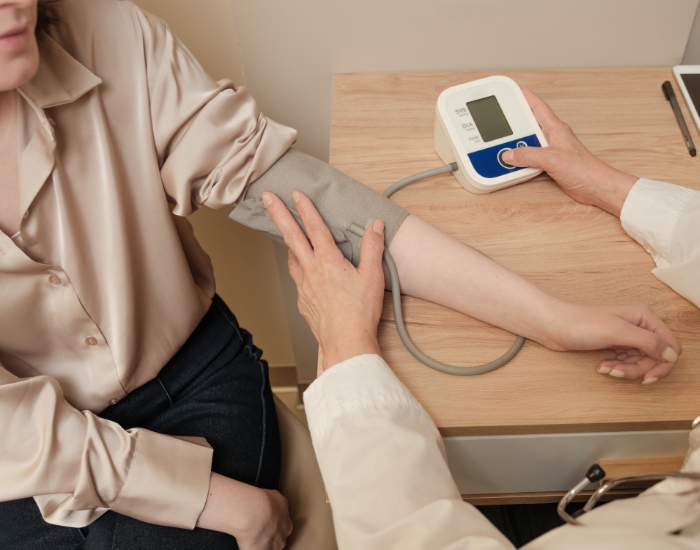
Hypertension is often called the silent threat because most people feel completely normal while dangerous changes are happening inside their body. The lack of symptoms leads many individuals to believe everything is fine, which delays treatment until complications develop. Checking blood pressure regularly at home, pharmacies, or medical appointments helps detect early changes before damage occurs. Early awareness encourages people to take control of their health by making small adjustments that can produce a major positive impact over time.
How to Lower Blood Pressure and Protect Your Heart
Lowering blood pressure is often very achievable through daily habits that support cardiovascular health. Patients can focus on eating low sodium meals, staying physically active for at least 150 minutes each week, maintaining a healthy weight, avoiding tobacco products, controlling alcohol intake, improving sleep routines, and finding healthy ways to manage stress such as meditation or deep breathing exercises. When medication is prescribed, taking it consistently and following up with healthcare professionals helps ensure that blood pressure remains controlled and complications are prevented.
When to See a Cardiologist in Houston
You should consider seeing a cardiologist when your blood pressure remains elevated despite lifestyle efforts, or if numbers consistently reach Stage 1 or Stage 2 ranges. A specialist evaluation is especially important if you experience symptoms such as chest discomfort, shortness of breath, headaches linked to high readings, dizziness, or swelling in your legs. People with medical conditions like diabetes, kidney disease, or a family history of heart problems are at higher risk and benefit from early heart health monitoring. Regular consultations with a Houston cardiologist can provide personalized care, advanced diagnostics, and a treatment plan that protects your heart for the future.
Disclaimer: This blog is for informational purposes only and is not a substitute for professional medical advice, diagnosis, or treatment. Always consult a qualified healthcare provider regarding any medical concerns or symptoms.