 Same-Day Appointments Available
 Most Major Insurance Accepted
 Medicare & Medicaid Accepted
Same-Day Appointments Available
Most Major Insurance Accepted
Medicare & Medicaid Accepted
Medicare & Medicaid Accepted
Same-Day Appointments Available
Most Major Insurance Accepted
Medicare & Medicaid Accepted
Home › Vascular Care
Vascular Care · Cypress, TX
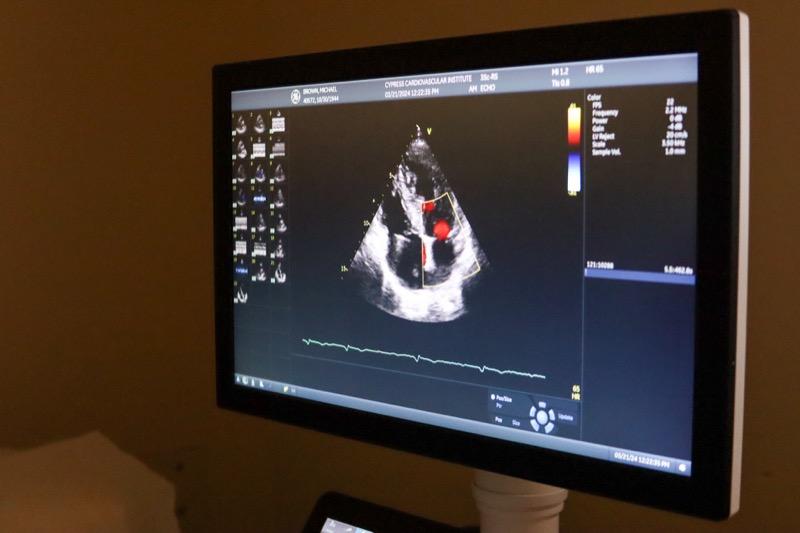
Vascular disease management at Cypress Cardiovascular Institute covers the diagnosis, treatment and long-term care of conditions affecting blood vessels outside the heart, including peripheral artery disease (PAD), carotid artery disease, aortic aneurysms, renal artery disease and circulation disorders. Our interventional cardiologists use vascular ultrasound and angiography to find blockages and treat them with minimally invasive angioplasty, stenting and atherectomy in Cypress, TX.
✓ Board-certified cardiologists
✓ Same-day appointments available
✓ Medicare, Medicaid & most insurance
Last updated: September 25, 2026 · Cypress Cardiovascular Institute
Understanding Vascular Disease
Vascular disease is any condition that affects the arteries or veins. The most common form is atherosclerosis, in which plaque narrows the arteries and reduces blood flow to the legs, brain, kidneys or other organs. Vascular disease also includes weakened, bulging arteries (aneurysms) and problems with the veins.
At our clinic, we specialize in diagnosing and treating a range of vascular diseases to help you stay active and healthy. Because plaque in one artery often means plaque elsewhere, vascular disease management also focuses on lowering the risk of heart attack and stroke.
Symptoms
Vascular disease symptoms depend on which arteries are affected. Many people have no symptoms until blood flow is significantly reduced, which is why people with risk factors benefit from a vascular evaluation.
Cramping in the calves, thighs or hips that eases with rest is the classic sign of peripheral artery disease.
Sores on the toes, feet or legs that heal slowly can mean poor circulation.
A foot or leg that feels colder, looks pale or bluish, or feels numb.
Brief episodes of weakness, numbness, vision loss or trouble speaking can signal carotid artery disease.
Can occur with an abdominal aortic aneurysm, although most aneurysms cause no symptoms.
Blood pressure that stays high despite medication is sometimes caused by narrowed kidney (renal) arteries.
Call 911 for stroke signs (face drooping, arm weakness, trouble speaking), sudden severe abdominal or back pain, or a leg that suddenly becomes cold, pale and painful.

Causes & Risk Factors
Vascular disease shares its causes with heart disease. The same risk factors that lead to plaque in the heart arteries also affect the arteries of the legs, neck, kidneys and abdomen.
Cutting-Edge Diagnostic Services
We offer a comprehensive range of diagnostic services for vascular disorders. Our cardiologists evaluate the health of your arteries from head to toe using the tests below, many of which are available at our Cypress offices and imaging center.
Compares blood pressure at the ankle and arm to detect narrowed leg arteries.
Doppler ultrasound shows blood flow and pinpoints narrowing in the leg arteries.
Checks the neck arteries that supply the brain for plaque and narrowing.
Measures the abdominal aorta to check for an aneurysm.
Computed tomographic angiography (CTA) and magnetic resonance angiography (MRA) create detailed images of the arteries.
Contrast dye and X-ray imaging during a catheter procedure map blockages and allow treatment when appropriate.
See every test we offer on our Diagnostic & Imaging Services page.
Minimally Invasive Procedures
Vascular disease management combines risk-factor control with minimally invasive procedures when blood flow is significantly reduced. We prioritize patient comfort, safety and fast recovery, using advanced catheter-based techniques that reduce discomfort and speed healing.
Treatment is individualized. For aneurysms or blockages that need open surgery, our cardiologists coordinate referral to a vascular surgeon.
What to Expect
01
Call (281) 955-9158 or request an appointment online. Same-day appointments are often available.
02
Your cardiologist reviews your symptoms and risk factors and checks the pulses in your legs, feet and neck.
03
ABI testing and vascular ultrasound are painless and are usually the first tests.
04
Your plan may include medication, a walking program and, if needed, a minimally invasive procedure, with follow-up testing.
Your Care Team
Vascular disease management at Cypress Cardiovascular Institute is provided by interventional cardiologists who perform peripheral angiography, angioplasty, stenting, atherectomy and renal angioplasty. Dr. Jad Daye holds the RPVI (Registered Physician in Vascular Interpretation) credential for interpreting vascular ultrasound.
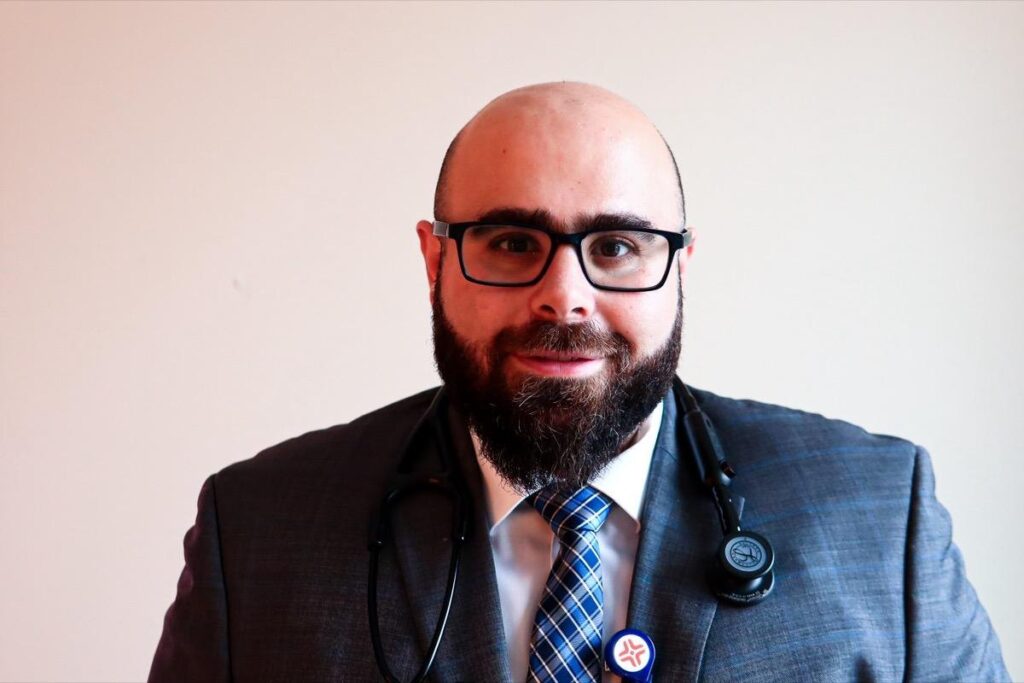
President, Interventional Cardiologist
Board-certified interventional cardiologist with expertise in coronary, structural and peripheral interventions. President of Cypress Cardiovascular Institute and Associate Professor at the University of Houston School of Medicine.
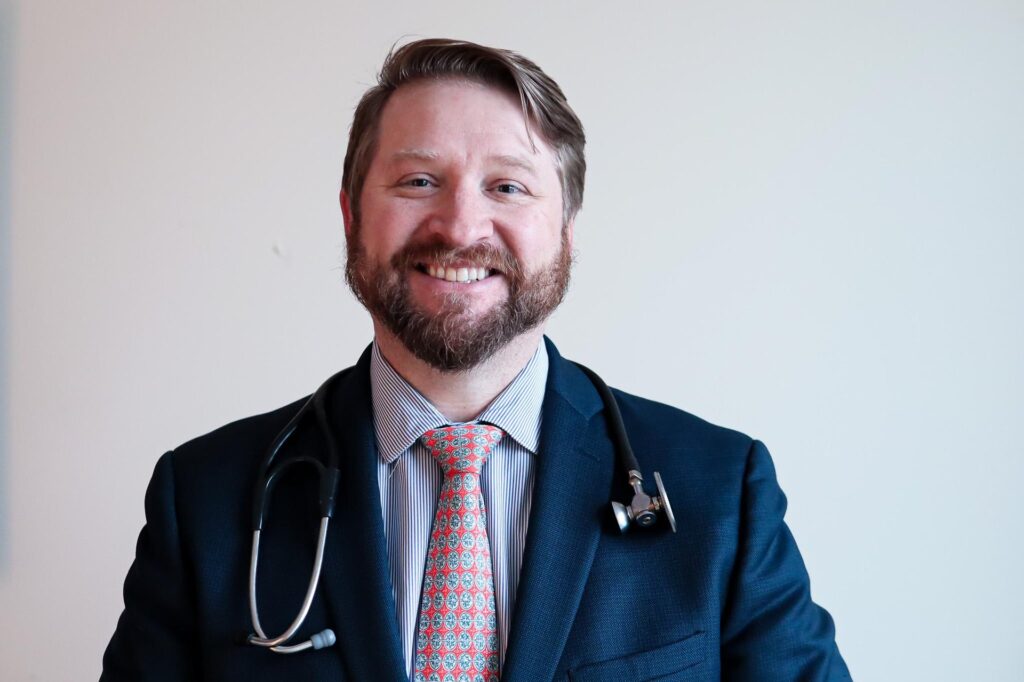
Interventional Cardiologist
Board-certified in internal medicine, cardiovascular disease and interventional cardiology, caring for patients in Cypress and surrounding areas.
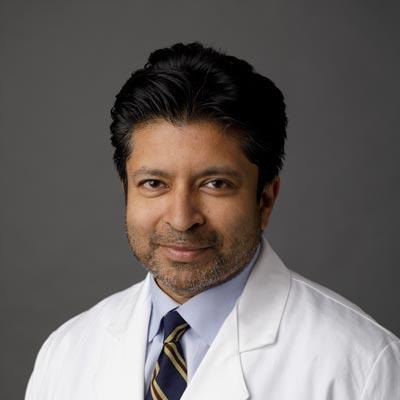
Interventional Cardiologist
Board-certified cardiologist with expertise in cardiovascular conditions including hypertension and chest pain, with a patient-centered approach to treatment.

Interventional & Structural Cardiologist
Specializes in coronary and structural heart disease, including PCI, TAVR and PFO closure. Trained at Baylor College of Medicine.
Locations, Hours & Insurance
Cypress Cardiovascular Institute sees patients Monday through Friday, 8:00 AM to 5:00 PM, at two offices and an imaging center serving Cypress, northwest Houston, Tomball, Spring, Katy and nearby communities such as Bridgeland, Towne Lake and Fairfield.
24518 Northwest Fwy, Suite 325
Cypress, TX 77429
(281) 955-9158
Get directions
10425 Huffmeister Rd, Suite 330
Houston, TX 77065
(281) 955-8818
Get directions
24518 Northwest Fwy, Suite 345
Cypress, TX 77429
(281) 955-9158
Get directions
Insurance: Cypress Cardiovascular Institute accepts Medicare, Medicaid and most major insurance plans for vascular care. Coverage for specific tests and procedures depends on your plan, and our team can help you check your benefits. Insurance information
Frequently Asked Questions
Vascular disease management is the ongoing diagnosis, treatment and monitoring of conditions that affect the blood vessels, such as peripheral artery disease, carotid artery disease and aneurysms. It combines testing, risk-factor control, medication and minimally invasive procedures when needed.
Vascular disease is treated by vascular specialists, including interventional cardiologists and vascular surgeons. At Cypress Cardiovascular Institute, interventional cardiologists diagnose vascular disease with ultrasound and angiography and treat blockages with angioplasty, stenting and atherectomy.
Peripheral artery disease (PAD) is a condition in which narrowed arteries reduce blood flow to the limbs, most often the legs. Learn more on our peripheral artery disease page.
PAD treatment may include lifestyle changes, a supervised walking program and medication. When symptoms limit daily life or blood flow is severely reduced, minimally invasive angioplasty, stenting or atherectomy may be recommended.
Carotid artery disease is plaque buildup in the neck arteries that carry blood to the brain. It can raise the risk of stroke. A carotid ultrasound is a painless test that checks these arteries for narrowing.
Cypress Cardiovascular Institute accepts Medicare, Medicaid and most major insurance plans. Medically necessary vascular testing and procedures are usually covered, but copays and prior-authorization rules vary by plan.
This page is for general education and is not a substitute for personal medical advice. Content provided by Cypress Cardiovascular Institute, Cypress, TX.
Same-Day Appointments Available
Concerned about your circulation? Same-day appointments are often available. Call (281) 955-9158 or request an appointment online.
Now Accepting New Patients
Same-day appointments available. Fill out the short form and our team will contact you to confirm your visit.
Drive Now
Tap “Get Directions” to open turn-by-turn navigation in Google Maps.

24518 Northwest Fwy, Ste 325
Cypress, TX 77429
10425 Huffmeister Rd, Ste 330
Houston, TX 77065
24518 Northwest Fwy, Ste 345
Cypress, TX 77429