





Low blood pressure, also called hypotension, occurs when the force of blood against the artery walls drops below a healthy range. While many people with mild hypotension do not experience symptoms, significant drops can cause dizziness, fainting, fatigue, or even organ damage. Understanding how to manage low blood pressure is key to maintaining overall health, preventing complications, and supporting proper circulation.
This guide educates patients about the causes, symptoms, risk factors, and practical steps to manage low blood pressure safely.
1. Understanding Low Blood Pressure
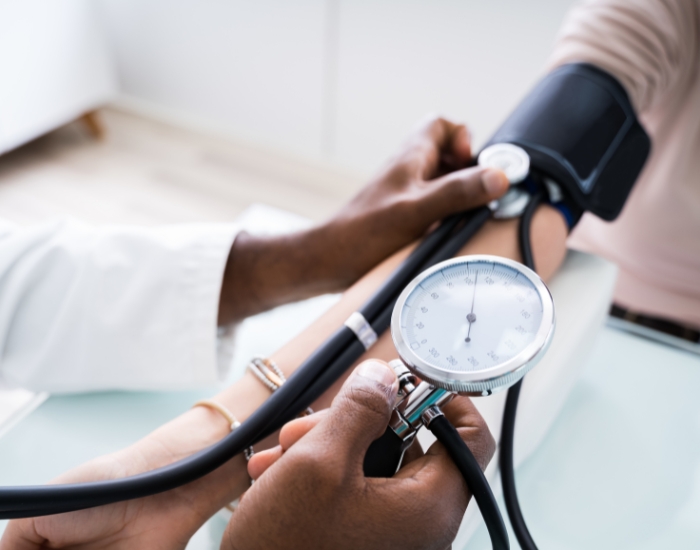
Blood pressure is measured using two numbers: systolic (pressure when the heart beats) and diastolic (pressure when the heart rests). Low blood pressure occurs when these numbers fall below the normal range, typically less than 90/60 mmHg.
While hypotension may not always be dangerous, severe or sudden drops can lead to shock, dizziness, or fainting. It can result from dehydration, heart conditions, endocrine problems, blood loss, or certain medications. Knowing the underlying cause is important for effective treatment.
2. Symptoms of Low Blood Pressure
Symptoms vary depending on severity. Mild hypotension may not produce noticeable effects. More significant drops can cause:
- Dizziness or lightheadedness
- Fainting or near-fainting episodes
- Blurred vision
- Nausea
- Fatigue or weakness
- Cold, clammy skin
- Rapid, shallow breathing
Recognizing these symptoms early is crucial to prevent falls, injuries, or more serious complications.
3. Situational or Temporary Drops
Some hypotension occurs temporarily due to specific situations:
- Postural hypotension: A sudden drop when standing up quickly.
- Postprandial hypotension: Blood pressure falls after eating, more common in older adults.
- Exercise-induced hypotension: Temporary drops during or after intense physical activity.
While often not dangerous, frequent or severe symptoms in these situations should be discussed with a healthcare provider
4. Risk Factors for Hypotension
Several factors can increase the likelihood of experiencing low blood pressure. Advanced age is a common contributor, as blood pressure regulation may weaken over time. Chronic illnesses such as diabetes, heart disease, or thyroid disorders can also affect blood pressure. Dehydration, whether from illness, heat exposure, or inadequate fluid intake, can lead to temporary or sustained hypotension. Prolonged bed rest or physical inactivity reduces circulation efficiency, increasing the risk of low blood pressure episodes. Certain medications that influence heart rate, blood volume, or vascular tone may also contribute. Understanding these risk factors helps patients take preventive steps, monitor their symptoms effectively, and reduce potential complications.
5. When to Seek Medical Care
Medical attention is necessary when low blood pressure is accompanied by concerning symptoms. Confusion, disorientation, chest pain, shortness of breath, severe dizziness, or fainting are warning signs that should not be ignored. A weak or unusually rapid pulse, or signs of shock such as pale, cold, or bluish skin, also indicate the need for immediate evaluation. Healthcare providers can perform diagnostic tests such as blood tests, electrocardiograms (ECG), echocardiography, or imaging studies to identify the underlying cause and guide proper treatment. Prompt attention ensures that hypotension does not lead to serious complications.
6. Lifestyle Measures to Manage Low Blood Pressure
For many people, simple lifestyle changes can help maintain healthy blood pressure and prevent symptoms. Staying well-hydrated by drinking plenty of water is essential, particularly during hot weather or periods of physical activity. Eating small, frequent meals can help prevent postprandial hypotension, which is a drop in blood pressure after eating. Increasing salt intake may help raise blood pressure, but this should only be done under medical supervision. Avoiding sudden position changes, such as standing up quickly from sitting or lying down, reduces dizziness and fainting risk. Regular low-impact exercise helps improve circulation and vascular tone, while wearing compression stockings can prevent blood from pooling in the legs and support overall circulation. These measures, when practiced consistently, can significantly improve comfort and reduce hypotensive episodes.
7. Medical Approaches
In some cases, medical intervention is necessary:
- Adjusting medications that lower blood pressure
- Treating underlying conditions such as heart disease, adrenal insufficiency, or hormonal imbalances
- Prescribing medications that raise blood pressure in severe or chronic cases
Patients should never self-adjust medications without guidance from a healthcare professional.
8. Monitoring and Prevention
Regular monitoring is an important strategy for managing hypotension and preventing complications. Keeping a home blood pressure log allows patients to track trends and recognize early changes. Noting symptoms, their timing, and potential triggers can provide valuable information for healthcare providers. Sharing this information during appointments enables a tailored treatment plan. Combining careful monitoring with preventive lifestyle measures, awareness of risk factors, and regular medical guidance can significantly reduce the risks associated with low blood pressure and support long-term cardiovascular health.
9. Final Thoughts
Low blood pressure can be manageable with proper lifestyle adjustments, monitoring, and medical guidance. Recognizing early symptoms, understanding risk factors, and knowing when to seek care are key to preventing serious complications.
If you experience dizziness, fainting, fatigue, or other signs of hypotension, consult a healthcare professional for evaluation. For expert guidance on cardiovascular health and patient-specific management plans, visit Cypress Cardiovascular Institute, serving patients across Cypress and Greater Houston with comprehensive heart, vein, and vascular care.
Disclaimer: This blog is for educational purposes only. It does not replace consultation with a licensed healthcare provider. Always seek professional medical advice before making changes to your diet, lifestyle, or medications.