



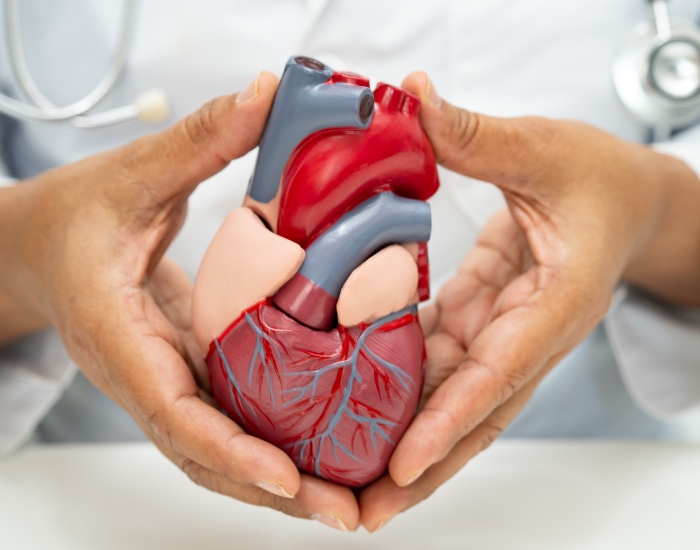



Most people don’t realize that heart failure can present a variety of serious symptoms that affect your daily life. You might experience shortness of breath, persistent fatigue, or swelling in your legs and ankles, which can indicate that your heart isn’t pumping effectively. It’s important to pay attention to these signs, as early recognition can lead to better management of your heart health. Understanding these symptoms empowers you to seek timely medical advice and improve your overall well-being.
Understanding Heart Failure
Definition of Heart Failure
Heart failure is a chronic condition where your heart struggles to pump blood effectively to meet your body’s needs. This can lead to symptoms such as fatigue, fluid retention, and shortness of breath. It’s important to understand that heart failure doesn’t mean your heart has stopped working; instead, it indicates that it’s not functioning efficiently.

There are various factors that can cause heart failure including coronary artery disease, high blood pressure, and previous heart attacks. These conditions can damage your heart muscle, making it less effective over time. Early detection and management can help improve your quality of life.
Types of Heart Failure
Heart failure can primarily be categorized into two major types: heart failure with reduced ejection fraction (HFrEF) and heart failure with preserved ejection fraction (HFpEF). In HFrEF, your heart muscle weakens, affecting its ability to pump effectively. Conversely, HFpEF often involves your heart becoming stiff, which restricts its filling ability.
Additionally, heart failure can be classified as acute, where symptoms develop suddenly, or chronic, presenting gradually over time. Understanding these distinctions helps in the management and treatment of heart failure, allowing healthcare providers to tailor interventions based on your specific type and condition.
| Type of Heart Failure | Description |
|---|---|
| HFrEF | Heart failure with reduced ejection fraction; weakened heart muscle. |
| HFpEF | Heart failure with preserved ejection fraction; stiff heart muscle. |
| Acute | Sudden onset of heart failure symptoms. |
| Chronic | Gradual development of heart failure over time. |
| Systolic | Inability of the heart to contract strongly enough. |
Each type of heart failure requires tailored treatment approaches. For instance, HFrEF often involves medications like ACE inhibitors and beta-blockers to strengthen the heart’s pumping ability, while HFpEF management focuses on controlling conditions like high blood pressure and fluid retention. Understanding your specific type can empower you in discussions with your healthcare provider regarding the most effective treatment options.
- HFrEF is characterized by weak heart contractions.
- HFpEF often results from stiffening of the heart muscle.
- Acute heart failure can require immediate medical attention.
- Chronic management involves lifestyle changes and monitoring.
- Medication adjustments are tailored to your specific type of heart failure.
| Management Strategy | Description |
|---|---|
| Lifestyle Changes | Diet, exercise, and weight management. |
| Medications | Diuretics, ACE inhibitors, and beta-blockers. |
| Monitoring | Regular check-ups to assess heart function. |
| Device Therapy | Cochlear implants and pacemakers for some patients. |
| Surgical Options | Heart transplant or valve repair/replacement. |
Common Symptoms of Heart Failure
Shortness of Breath
Shortness of breath, or dyspnea, is one of the most prevalent symptoms you may experience with heart failure. This can occur during physical activities or even at rest, especially when lying flat, where fluid can build up in your lungs. It’s an indication that your heart is not pumping blood efficiently, causing congestion in the lungs. If you find yourself needing to prop up with pillows at night to breathe easier, it’s important to discuss this with your healthcare provider.
When engaging in daily activities, you might notice a decrease in your stamina, finding that you tire more quickly than before. Activities such as climbing stairs, walking briskly, or even light chores can leave you breathless. This symptom often worsens over time, highlighting the need for proper management and monitoring of your condition.
Fatigue and Weakness
Fatigue and weakness can become overwhelming when you have heart failure. You may feel an unusual lack of energy that doesn’t improve with rest. This constant tiredness can result from your heart’s inability to pump enough blood to meet your body’s needs, which in turn affects the oxygen and nutrients reaching your muscles and organs. Consequently, simple tasks might feel incredibly strenuous, leading you to avoid activities you once enjoyed.
This pervasive fatigue can significantly impact your quality of life. You might feel lethargic throughout the day, struggling with focus and motivation. Engaging in conversations or even enjoying leisure activities can feel exhausting, contributing to feelings of isolation or depression. Recognizing and addressing this symptom is imperative for improving both your physical health and emotional well-being.
Other Notable Symptoms
Swelling in the Legs and Ankles
One of the more visible signs of heart failure is swelling in the legs and ankles. This condition, known as peripheral edema, occurs when your heart struggles to pump blood effectively, causing fluid to accumulate in your body tissues. You might notice this swelling particularly after prolonged periods of sitting or standing, and it may worsen as the day progresses, impacting your mobility and comfort.
Fluid retention can also lead to weight gain over time and may be accompanied by a feeling of fullness or heaviness in your legs. This symptom is often a direct result of the body trying to compensate for reduced blood flow, signaling that your heart needs to work harder. Monitoring this swelling and discussing any changes with your doctor is important, as it might indicate worsening heart function.
Rapid or Irregular Heartbeat
A rapid or irregular heartbeat is another notable symptom you may experience with heart failure. This can manifest as palpitations or a sensation that your heart is racing, fluttering, or beating erratically. Often, this occurs when your body is strained, such as during physical activity or emotional stress, but it can also happen at rest. It’s your heart’s response to compensate for its reduced ability to pump effectively.
Typically, this symptom arises due to the release of stress hormones or the heart’s electrical system reacting inappropriately. For instance, during exertion, your heart may attempt to increase blood flow, but poor function can lead to a chaotic rhythm. Monitoring your heartbeat for any irregularities can provide valuable insight into your heart health and should always be discussed with your healthcare provider.
When to Seek Medical Attention
Recognizing Severe Symptoms
If you experience symptoms such as sudden shortness of breath, chest pain, or a rapid and irregular heartbeat, these can be signs of a worsening condition. It’s vital to recognize these severe symptoms and seek immediate medical attention. Additionally, if you find that your usual level of activity is leading to increased fatigue or difficulty breathing, these may also be indicators that your heart is struggling significantly.
Heart failure can lead to life-threatening situations. In particular, if you notice sudden weight gain due to fluid retention or if your cough produces pink, foamy mucus, these are significant warning signs that require urgent evaluation. Prompt action not only helps assess your condition but can also make a difference in treatment outcomes.
Importance of Early Intervention
Acting quickly when experiencing symptoms can improve your overall quality of life and longevity. Studies show that individuals who seek treatment sooner often have better management of their heart failure symptoms and can avoid serious complications. Early intervention allows healthcare providers to adjust medications, suggest lifestyle changes, and consider more advanced therapies if needed.
By addressing heart failure symptoms early, you can prevent the progression of the condition. This proactive approach may include regular check-ups, medication adherence, and lifestyle changes, all contributing to a better prognosis. Delaying treatment, on the other hand, may lead to hospitalizations and a decline in your health status.
Lifestyle Changes to Manage Symptoms
Diet and Nutrition
To effectively manage heart failure symptoms, adopting a heart-healthy diet is necessary. Focus on incorporating more fruits, vegetables, whole grains, and lean proteins into your meals. Limiting processed foods can significantly reduce your intake of sodium and unhealthy fats, which are particularly important for controlling blood pressure and managing fluid retention. For example, the DASH diet or the Mediterranean diet can provide a framework for making healthier choices while still enjoying flavorful meals.
Pay close attention to portion sizes and aim for a balance of nutrients. Keeping a food diary can help you track your progress and make adjustments as needed. Additionally, consider consulting with a nutritionist familiar with heart health to tailor a meal plan that meets your specific needs, which can enhance your overall wellbeing and improve your heart condition.
Exercise Recommendations
Regular physical activity is a vital part of managing heart failure symptoms. Engaging in moderate exercise, like walking, swimming, or cycling, can help improve your heart’s efficiency and enhance circulation. Aim for about 150 minutes of moderate aerobic activity each week, spread out over several days. It’s important to listen to your body and adjust the intensity based on how you feel. Simple activities like taking the stairs instead of the elevator or incorporating short walks throughout your day can make a significant difference.
Additionally, incorporating strength training at least twice a week can be beneficial. This can help build muscle mass, which is important for maintaining energy levels and overall function. Always consult with your healthcare provider before starting an exercise regime to ensure the activities are safe and appropriate for your specific health situation.
Treatment Options
Medications
Managing heart failure often involves a variety of medications designed to help your heart pump more effectively and reduce symptoms. Commonly prescribed drugs include ACE inhibitors and beta-blockers, which can help lower blood pressure and reduce the heart’s workload. Diuretics may also be included in your treatment plan to address fluid retention, helping you feel less bloated and more comfortable.
It’s vital to adhere to your medication regimen as directed by your healthcare provider. You might be prescribed several medications that work together to improve your heart function. For instance, the combination of medications can significantly lower the risk of hospitalizations and improve your overall quality of life, allowing you to engage in daily activities with greater ease.
Other Therapies
Beyond medications, consider incorporating other therapies to enhance your heart failure management. These can include cardiac rehabilitation programs that provide structured exercise routines along with nutritional counseling and emotional support. Involvement in such programs can boost your physical endurance and empower you to take charge of your heart health.
Furthermore, therapies like electrical device implants or ventricular assist devices may be options for advanced cases of heart failure. These devices support your heart’s function and improve blood flow, especially when medications alone are insufficient. Engaging with your healthcare team to explore these options can lead to more personalized care tailored to your specific needs.
Final Words
Now that you are aware of the symptoms of heart failure, it’s important to pay attention to your body. Common signs include shortness of breath, persistent cough, fatigue, and swelling in your legs and ankles. If you notice these symptoms, it’s a good idea to consult a healthcare professional to discuss your concerns and seek further evaluation.
Your heart health is a vital part of your overall well-being, and recognizing the symptoms early can make a significant difference. By staying informed and proactive, you can take important steps toward managing your health and improving your quality of life.
FAQ
Q: What are the common symptoms of heart failure?
A: Common symptoms include shortness of breath, fatigue, swelling in the legs or abdomen, rapid or irregular heartbeat, and persistent cough or wheezing.
Q: How does shortness of breath present in heart failure?
A: Shortness of breath may occur during physical activity or while lying flat. It may worsen with exertion or when resting at night.
Q: What types of swelling are associated with heart failure?
A: Swelling, known as edema, typically occurs in the legs, ankles, feet, or abdomen due to fluid buildup, a result of the heart’s reduced ability to pump blood effectively.
Q: Can heart failure cause persistent cough?
A: Yes, a persistent cough or wheezing can occur, often producing pink or white mucus, which is related to fluid accumulation in the lungs.
Q: How does fatigue present in individuals with heart failure?
A: Fatigue in heart failure is characterized by an overwhelming feeling of tiredness and low energy that affects daily activities, often due to the heart’s diminished ability to provide adequate blood flow.