







With elevated diastolic blood pressure presenting risks to your heart health, it’s important to take action. You can effectively lower your diastolic numbers through lifestyle changes such as adopting a balanced diet, engaging in regular physical activity, and managing stress. Incorporating dehydration management and monitoring your weight can also make a significant impact. This blog post will guide you through practical strategies to help you achieve and maintain healthy blood pressure levels.
Understanding Diastolic Blood Pressure
What is Diastolic Blood Pressure?
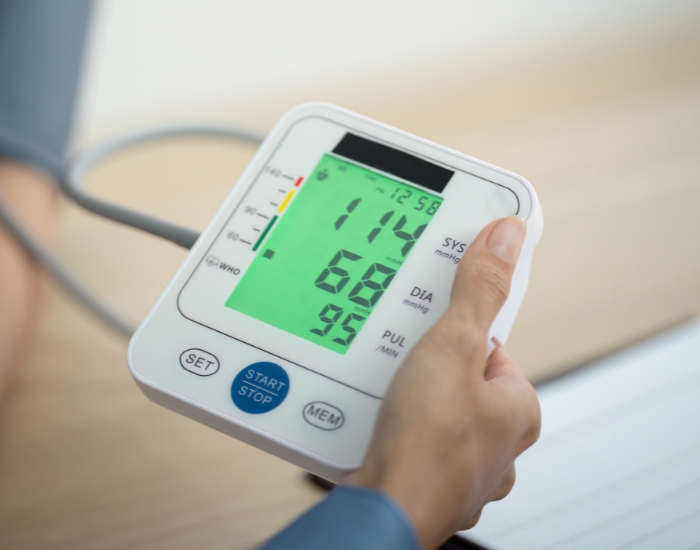
Diastolic blood pressure measures the pressure in your arteries when your heart is at rest between beats. This phase is important for understanding your overall blood pressure health. A typical reading on a blood pressure monitor includes two numbers; the first, called systolic pressure, indicates the pressure during a heartbeat, while the second, diastolic pressure, provides insight into how your arteries handle blood flow at rest. Healthy diastolic levels typically fall between 60 mmHg and 80 mmHg.
When your diastolic readings exceed the normal range, your risk of hypertension-related complications increases. High diastolic pressure can signal that your heart is working harder than it should, which may lead to conditions like heart disease or stroke. Thus, knowing the specifics about your diastolic pressure is vital for your well-being.
Importance of Maintaining Healthy Levels
Maintaining healthy diastolic blood pressure levels is important for cardiovascular health. Elevated diastolic measures can strain your heart and arteries, leading to long-term damage. Keeping your readings within the recommended range will reduce your risk of developing serious conditions such as heart failure, kidney damage, and other complications linked to elevated blood pressure.
Studies show that individuals with diastolic blood pressure above 90 mmHg have a significantly increased likelihood of heart attack and stroke compared to those who maintain levels below this threshold. By being proactive about this aspect of your health, you can enhance not just your longevity, but also your overall quality of life.
Lifestyle Changes to Lower Diastolic Blood Pressure
Healthy Eating Habits
Adjusting your diet can significantly lower your diastolic blood pressure. Focus on incorporating whole foods like fruits, vegetables, lean proteins, and whole grains. A study published in the American Heart Association’s journal found that the DASH diet (Dietary Approaches to Stop Hypertension) can reduce blood pressure by up to 11 mm Hg in people with hypertension. Limiting sodium intake to less than 2,300 mg per day is also beneficial; cutting it down to 1,500 mg provides even better results.
Additionally, consider increasing your intake of foods rich in potassium, such as bananas, spinach, and sweet potatoes. Potassium has a positive effect on blood vessel health, counteracting the negative effects of sodium. Also, strive to limit processed foods, which often contain high levels of added sugars and unhealthy fats that can elevate blood pressure.
Regular Physical Activity
Engaging in regular physical activity can lead to significant improvements in your diastolic blood pressure levels. Aim for at least 150 minutes of moderate-intensity aerobic exercise each week, such as brisk walking or cycling. According to the American Heart Association, a consistent workout regimen can lower diastolic readings by an average of 5 to 15 mm Hg. Incorporating strength training two or more days a week can also enhance cardiovascular health.
A well-rounded fitness routine doesn’t just help with weight management but also improves circulation and heart function. You can start with small, manageable goals, like walking for 30 minutes several times a week, and gradually increase your duration and intensity. Over time, these activities will not only boost your physical fitness but will also contribute to more stable and lower diastolic blood pressure.
Stress Management Techniques
Mindfulness and Meditation
Incorporating mindfulness and meditation into your daily routine can significantly reduce your diastolic blood pressure. These techniques focus on the present moment, helping you detach from stressors that typically elevate blood pressure. Studies show that just 10-20 minutes of meditation daily can lead to lower anxiety levels, which in turn, decreases your body’s stress response. Consider guided meditation apps or local classes to help you initiate this calming practice.
Additionally, engaging in mindfulness helps you become more aware of your physical and emotional responses. This awareness allows you to manage stress more effectively. By taking time to breathe deeply and focus on the sensations in your body, you can enhance your overall well-being, leading to lower blood pressure readings over time.
Breathing Exercises
Implementing breathing exercises can provide almost immediate relief from stress and subsequently help lower your diastolic blood pressure. Techniques such as deep breathing or 4-7-8 breathing encourage full oxygen exchange, enhancing relaxation. You should inhale for 4 seconds, hold your breath for 7 seconds, and exhale slowly for 8 seconds. Consistently practicing these exercises can reduce both physical tension and emotional stress, which is vital for maintaining healthy blood pressure levels.
When you concentrate on your breath, your heart rate slows, and your body releases tension. Research indicates that engaging in regular deep breathing sessions can lead to a notable reduction in diastolic blood pressure, as seen in individuals who practiced these techniques daily for eight weeks. Establishing a habit of 5-10 minutes of breathing exercises a few times a day makes a meaningful impact on your heart health.
Importance of Hydration
How Water Intake Affects Blood Pressure
Your body relies on adequate hydration to maintain optimal blood volume and pressure. Water intake helps regulate blood viscosity, making it easier for your heart to pump blood efficiently. A well-hydrated body can prevent blood vessels from constricting, which typically leads to lower diastolic blood pressure. Research indicates that even mild dehydration can trigger an increase in blood pressure, emphasizing the importance of consistent fluid intake.
Tips for Staying Hydrated
- Carry a water bottle to encourage frequent sips.
- Include fruits like cucumbers and watermelon in your diet.
- Set hydration goals at different times of the day.
Recognizing your unique hydration needs is imperative for optimizing your blood pressure levels. Regularly check in with how you feel, adjusting accordingly, to promote your overall cardiovascular health.
- Experiment with herbal teas for added flavor and hydration.
- Track your water intake using an app or journal.
- Infuse water with lemons or basil for a refreshing twist.
Recognizing the impact of hydration on your body, making adjustments to your daily water intake can have a profound effect on your blood pressure management efforts. Prioritizing hydration not only supports your heart health but also enhances your overall well-being.
Monitoring Your Blood Pressure
Home Monitoring Techniques
Accurate home monitoring of your blood pressure can provide valuable insights into your health. Start by investing in a reliable automated blood pressure monitor, preferably one that fits your arm snugly. To measure your blood pressure, find a quiet space, sit comfortably with your back supported, and rest your arm at heart level. It’s best to take readings at the same times each day, before meals, for consistency. Record your readings diligently to track any patterns or changes over time.
Aim for at least two readings each time you measure, waiting about one minute between readings to ensure accuracy. You may also want to monitor your blood pressure during periods when you’re feeling well and during times of stress or illness. Keeping a detailed log can help you pinpoint triggers that elevate your diastolic pressure and facilitate better discussions with your healthcare provider.
When to Seek Medical Advice
Recognizing when to consult your doctor is key to managing your blood pressure effectively. If you consistently notice readings above 90 mm Hg diastolic, it’s advised to reach out for professional guidance. Additionally, if you experience symptoms such as headaches, dizziness, or shortness of breath, don’t hesitate to contact your healthcare provider. Sometimes, these symptoms can indicate underlying issues that need immediate attention.
Your doctor may suggest adjustments in lifestyle, medication, or further diagnostic tests to better understand the cause of your elevated readings. If changes in diet and exercise aren’t yielding results, persistent high diastolic pressure should be taken seriously, aligning your treatment plan with professional recommendations ensures that you’re on the right track towards better health.
Natural Supplements and Remedies
Popular Supplements
Several natural supplements can help lower your diastolic blood pressure. For instance, Omega-3 fatty acids, commonly found in fish oil, have shown the potential to reduce blood pressure levels due to their anti-inflammatory properties. A meta-analysis indicated that individuals consuming omega-3 supplements experienced an average reduction in diastolic blood pressure of around 2 to 5 mmHg. Another well-known supplement, Coenzyme Q10, has been linked to lowering blood pressure, with studies suggesting a decrease of about 10 mmHg in some patients after supplementation.
Additionally, magnesium plays a vital role in vascular health and can assist in relaxing blood vessels, thereby lowering blood pressure. A systematic review found that magnesium supplementation could reduce diastolic blood pressure by an average of 2 to 4 mmHg. Other notable supplements include beetroot juice, rich in nitrates that can effectively dilate blood vessels, and garlic extract, which has demonstrated significant antihypertensive effects in various studies.
Consulting with Healthcare Professionals
Before incorporating any new supplements or remedies, it is vital to consult with your healthcare professional. They can provide personalized advice based on your medical history and current medications, helping to avoid potential interactions. Some supplements may cause adverse effects or interfere with prescription medications, which could compromise your health.
Additionally, your healthcare provider may suggest specific dosages or alternatives based on clinical evidence. For example, if you have underlying health conditions like diabetes or kidney disease, professional guidance is even more critical to navigating the best options for your circumstances.
To wrap up
With these considerations, you can take proactive steps to lower your diastolic blood pressure. Incorporating regular physical activity into your routine, focusing on a heart-healthy diet rich in fruits, vegetables, and whole grains, and managing stress can significantly benefit your overall health. Reducing sodium intake and limiting alcohol consumption also contribute positively to your blood pressure levels.
In addition to lifestyle changes, it’s important to monitor your blood pressure regularly and consult with your healthcare provider for personalized advice. By making these adjustments and maintaining a supportive environment, you empower yourself to manage your diastolic blood pressure effectively and enhance your well-being.
FAQ
Q: What lifestyle changes can help lower diastolic blood pressure?
A: Adopting a healthy diet, regular physical activity, reducing salt intake, managing stress, and maintaining a healthy weight can effectively lower diastolic blood pressure.
Q: Is there a specific diet recommended for lowering diastolic blood pressure?
A: The DASH (Dietary Approaches to Stop Hypertension) diet is recommended, which emphasizes fruits, vegetables, whole grains, lean proteins, and low-fat dairy while limiting saturated fat and cholesterol.
Q: How does physical activity impact diastolic blood pressure?
A: Regular aerobic exercise strengthens the heart, allowing it to pump blood more efficiently, which can lead to lower diastolic blood pressure over time.
Q: Can stress management techniques help lower diastolic blood pressure?
A: Yes, techniques such as deep breathing, meditation, yoga, and mindfulness can help reduce stress levels, which may contribute to lowering diastolic blood pressure.
Q: Are there any medications available to lower diastolic blood pressure?
A: Yes, various medications, including diuretics, ACE inhibitors, beta-blockers, and calcium channel blockers, can be prescribed to help manage and lower diastolic blood pressure effectively.