





Many people notice bulging veins in their legs, especially after long periods of standing, and may also experience pain, heaviness, or discomfort. These veins, often varicose veins, are more than a cosmetic concern—they indicate underlying venous insufficiency where blood flow in the legs is impaired. Pain while standing occurs due to increased venous pressure, blood pooling, and inflammation. Recognizing the causes, understanding the symptoms, and knowing when to seek care are essential for preventing complications and improving leg health.
1. What Are Bulging Veins?
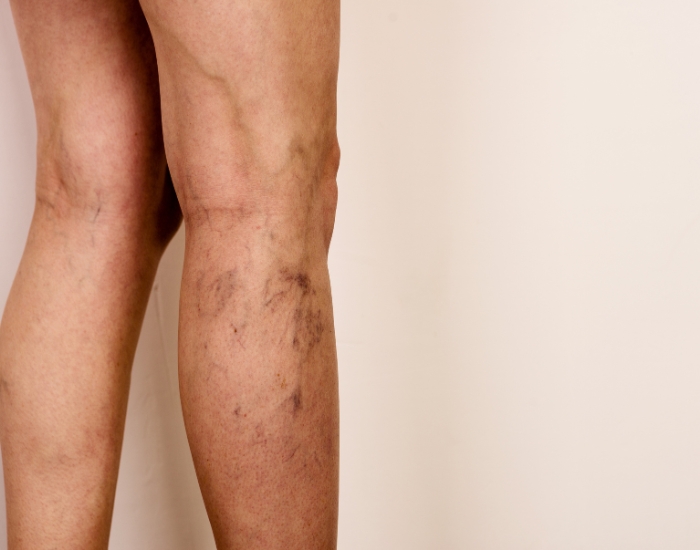
Bulging veins are enlarged, twisted veins that appear raised above the surface of the skin. They are commonly found in the legs due to the high pressure veins experience when standing or walking. These veins occur when one-way valves inside the veins fail to function properly, allowing blood to pool instead of returning efficiently to the heart. Over time, this causes the veins to stretch, bulge, and become visible.
Bulging veins are a visible sign of chronic venous insufficiency and may lead to symptoms such as pain, heaviness, swelling, and skin changes if not addressed.
2. Causes of Bulging Veins in the Legs
Bulging veins primarily result from weakened vein walls and malfunctioning valves. Factors that contribute include:
- Genetics: Family history of varicose veins increases risk
- Age: Veins and valves weaken over time
- Hormonal Changes: Pregnancy, menopause, and hormonal therapies
- Prolonged Standing or Sitting: Increases venous pressure in the lower limbs
- Obesity: Adds strain on the leg veins
- Previous Leg Injury or Vein Issues: Can predispose to valve dysfunction
Understanding the underlying cause is crucial for both prevention and treatment.
3. Why Standing Causes Pain
Pain when standing is a hallmark of venous insufficiency associated with bulging veins. When standing, blood in the leg veins must flow against gravity toward the heart. In veins with faulty valves, blood pools in the lower legs, increasing venous pressure and causing the vein walls to stretch. This stretching leads to discomfort, aching, throbbing, or heaviness, which typically worsens the longer you remain upright.
Additionally, inflammation around the affected veins can intensify pain. Swelling often occurs at the ankles and feet, and legs may feel fatigued or heavy after prolonged standing. Recognizing this pattern helps distinguish vein-related pain from other causes of leg discomfort.
4. Symptoms Associated with Bulging Veins
Bulging veins may present with several noticeable symptoms:
- Visible, twisted, or raised veins on the legs
- Aching or throbbing pain, especially after standing
- Swelling in the lower legs, ankles, and feet
- Heaviness or fatigue in the legs
- Skin changes including dryness, itching, or discoloration in chronic cases
- Cramping or restless legs, particularly at night
Symptoms may worsen during hot weather or at the end of the day and typically improve with leg elevation or rest.
5. Risk Factors That Increase Severity
Several factors increase the likelihood of developing painful bulging veins in the legs. Age is a key factor, as vein walls weaken over time, making veins more susceptible to enlargement and valve failure. Gender also plays a role, with women being more prone due to hormonal influences such as pregnancy, menopause, or contraceptive use. Obesity adds additional pressure to the veins in the lower limbs, while a family history of varicose veins or chronic venous insufficiency can predispose individuals to more severe vein problems. Prolonged standing or sedentary behavior increases venous pressure in the legs, and pregnancy can further contribute due to hormonal changes and increased blood volume. People with multiple risk factors should monitor their legs carefully and seek early evaluation to prevent complications and maintain healthy circulation.
6. Diagnosing Bulging Veins
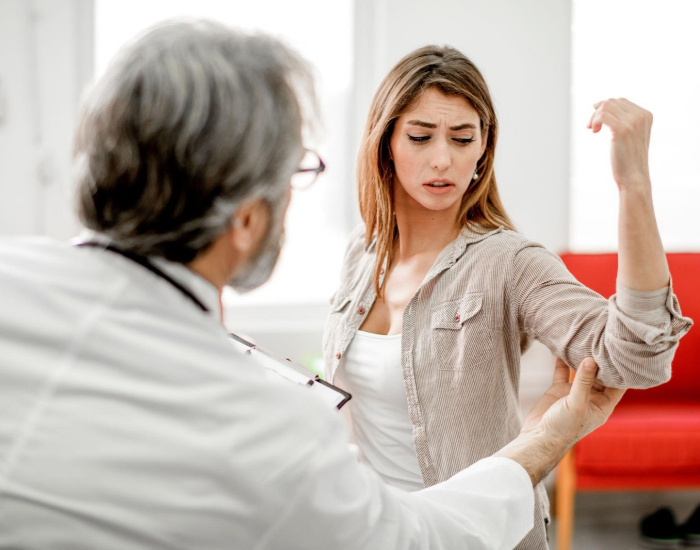
Diagnosis of bulging veins begins with a thorough physical examination. Healthcare providers assess visible veins, swelling, and any changes to the skin. They also take into account the patient’s symptoms, medical history, and potential risk factors. Diagnostic tests may include a duplex ultrasound, which evaluates blood flow and valve function, and, in rare cases, a venography to visualize the structure of the veins using contrast imaging. A detailed patient history is also essential for distinguishing vein-related pain from discomfort caused by muscles, joints, or nerves. Accurate diagnosis ensures that an appropriate treatment plan—whether conservative or procedural—is selected.
7. When to Seek Medical Care
While bulging veins are often not immediately dangerous, certain symptoms require prompt medical attention. These include severe or worsening leg pain, pronounced or sudden swelling, visible skin changes such as ulcers or open sores, and redness, warmth, or tenderness that may indicate infection or blood clots. Early evaluation by a healthcare provider can prevent complications such as chronic venous insufficiency, progressive skin changes, or deep vein thrombosis, helping to improve long-term leg health and outcomes.
8. Treatment and Management Options
Treatment depends on symptom severity, vein health, and risk factors.
Conservative measures include:
- Wearing compression stockings to support circulation
- Elevating legs regularly to reduce venous pressure
- Avoiding prolonged standing or sitting
- Engaging in regular exercise to strengthen leg muscles
Medical procedures may be necessary in more advanced cases:
- Sclerotherapy: Injection to close diseased veins
- Endovenous Laser Therapy (EVLT): Minimally invasive laser treatment
- Surgery: Vein stripping or ligation for severe varicose veins
The goal of treatment is to relieve pain, reduce swelling, improve appearance, and prevent complications from chronic venous insufficiency.
9. Preventing Pain and Vein Complications
Prevention focuses on improving circulation and reducing venous pressure. Maintaining a healthy weight, exercising regularly, avoiding prolonged standing or sitting, elevating legs periodically, and wearing compression stockings when recommended can all help minimize pain and prevent further vein enlargement. Early intervention and consistent management improve long-term leg health.
10. Final Thoughts
Bulging veins in the legs that cause pain when standing are usually a sign of venous insufficiency. While sometimes seen as a cosmetic issue, they can lead to swelling, discomfort, and skin changes if left untreated. Recognizing symptoms early, seeking medical evaluation, and following preventive or treatment measures are key to managing vein health and maintaining comfort in daily life.
If you experience bulging veins and leg pain when standing, consult the specialists at Cypress Cardiovascular Institute. Our team provides comprehensive vein assessments and personalized treatment plans to improve circulation, reduce discomfort, and protect long-term leg health.
Disclaimer: This article is for educational purposes only and does not replace professional medical advice, diagnosis, or treatment. Always consult a qualified healthcare provider for personalized care, especially if symptoms are severe or persistent.