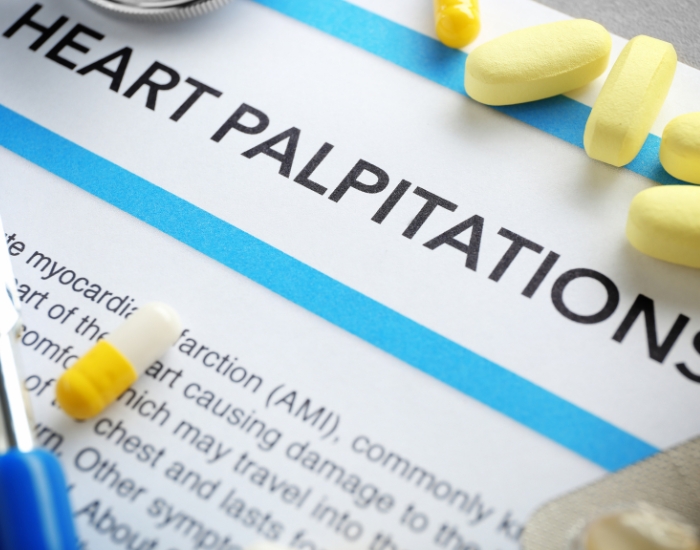
Heart palpitations are sensations of a fast, fluttering, or pounding heartbeat that can be alarming when they occur. Many people notice palpitations during stress, physical activity, or even at rest. While palpitations are often harmless, they can sometimes indicate an underlying heart condition. Understanding the causes, symptoms, and when to seek medical attention is important for maintaining heart health.
1. What Are Heart Palpitations?
Heart palpitations are the feeling that your heart is skipping beats, racing, or fluttering. They may last for a few seconds, minutes, or longer. Most palpitations are benign and caused by temporary triggers such as stress, caffeine, or exercise. However, some palpitations may signal a heart rhythm problem (arrhythmia) or another cardiovascular issue, especially if they occur frequently or are accompanied by other symptoms.
2. Common Causes of Palpitations
Palpitations can arise from various causes. Lifestyle factors like caffeine, nicotine, alcohol, or intense exercise may trigger temporary episodes. Emotional stress, anxiety, or panic attacks can also lead to a noticeable heartbeat. Hormonal changes, such as during pregnancy, menopause, or thyroid disorders, may contribute. Certain medications, including decongestants, asthma inhalers, and stimulants, can trigger palpitations as well. Identifying the cause is important for determining whether the palpitations are harmless or require medical evaluation.
3. Symptoms to Watch For
Palpitations are often felt as a rapid heartbeat, fluttering, or skipped beats. They may be accompanied by lightheadedness, dizziness, shortness of breath, chest discomfort, or fainting. Occasional palpitations with no other symptoms are usually harmless. However, if palpitations occur frequently or with the symptoms above, it could indicate an underlying heart condition, and prompt medical evaluation is recommended.
4. When Palpitations May Be Dangerous
While most palpitations are benign, they can sometimes indicate serious conditions, especially in people with existing heart disease. Dangerous signs include palpitations that are sudden, prolonged, or accompanied by chest pain, fainting, severe shortness of breath, or dizziness. Arrhythmias like atrial fibrillation, ventricular tachycardia, or other rhythm disorders may require urgent attention. People with a history of heart attack, heart failure, or structural heart disease should be particularly cautious.
5. Diagnosing Heart Palpitations
Doctors use a combination of medical history, physical examination, and diagnostic tests to determine the cause of palpitations. Tests may include an electrocardiogram (ECG) to record the heart’s electrical activity, Holter monitoring to track heart rhythm over 24–48 hours, echocardiography to check heart structure and function, and blood tests to evaluate thyroid function or electrolyte imbalances. Accurate diagnosis is essential to guide treatment and ensure safety.
6. Treatment Options
Treatment depends on the underlying cause. Benign palpitations caused by caffeine, stress, or lifestyle factors may be managed by reducing triggers, practicing stress-reduction techniques, and maintaining a healthy lifestyle. If palpitations are due to arrhythmias or other heart conditions, medications such as beta-blockers or antiarrhythmic drugs may be prescribed. In certain cases, procedures like catheter ablation, pacemaker implantation, or cardioversion may be needed to restore normal heart rhythm.
7. Home Management and Prevention
Patients can take steps to reduce the frequency of palpitations. Limiting caffeine, alcohol, and nicotine helps reduce triggers. Staying hydrated, exercising moderately, managing stress, and practicing relaxation techniques can also be beneficial. Keeping a record of when palpitations occur, along with accompanying symptoms, helps healthcare providers identify patterns and determine appropriate interventions.
8. When to Seek Medical Care
Immediate medical attention is necessary if palpitations are associated with chest pain, fainting, severe shortness of breath, or rapid irregular heartbeat. Even if symptoms are mild but persistent, consulting a cardiologist is recommended to rule out underlying heart conditions and receive guidance on safe management.
9. Final Thoughts
Heart palpitations are common and often harmless, but they can sometimes indicate serious heart problems. Paying attention to triggers, symptoms, and frequency is important for maintaining heart health. Early evaluation and proper diagnosis ensure that any underlying condition is treated effectively and reduce the risk of complications.
If you experience frequent or concerning heart palpitations, schedule a consultation with a cardiologist. Early assessment can help identify underlying causes, provide effective treatment options, and give you peace of mind about your heart health.
Disclaimer: This blog is for educational purposes only and does not replace professional medical advice. Always consult a licensed healthcare provider if you experience heart palpitations, chest pain, fainting, or other concerning symptoms.