
Many people overlook the importance of maintaining healthy blood pressure levels, which can significantly impact your overall well-being. Your blood pressure can be classified into different ranges, with normal levels being crucial for reducing the risk of heart disease and stroke. A reading below 120/80 mmHg is ideal, while anything above 140/90 mmHg can pose health risks. Understanding these ranges will empower you to take charge of your health and make informed choices for a better, more vibrant life.
Understanding Blood Pressure
What is Blood Pressure?
Blood pressure refers to the force exerted by circulating blood against the walls of your arteries. This measurement is typically expressed in millimeters of mercury (mmHg) and consists of two numbers: systolic pressure (the first number) and diastolic pressure (the second number). Systolic pressure measures the pressure in your arteries when your heart beats, while diastolic pressure gauges that same pressure when your heart rests between beats. Healthy blood pressure readings generally fall within the range of 120/80 mmHg, providing a benchmark for understanding your cardiovascular health.

Your body’s blood pressure can be influenced by various factors such as age, weight, physical activity, and even genetics. It’s important to have a baseline understanding of what is considered normal versus elevated, as blood pressure that is consistently too high can lead to serious health issues, including heart disease and stroke. Regular monitoring can give you a clear picture of your health and allow for proactive management if numbers start to climb.
How is Blood Pressure Measured?
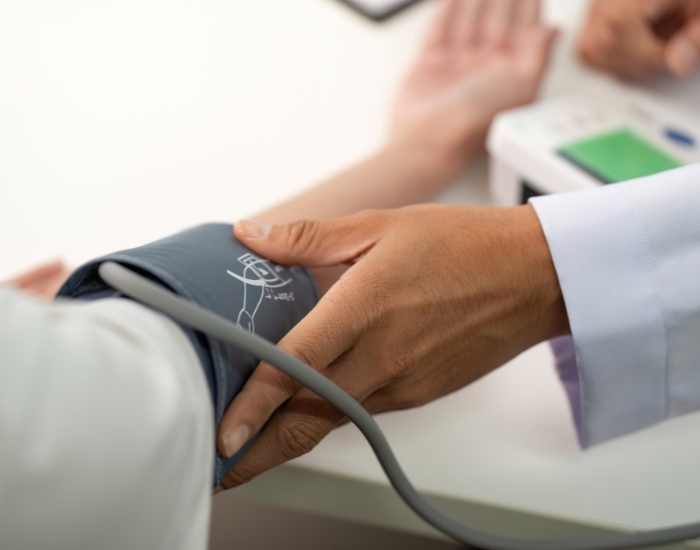
Blood pressure is commonly measured using a device called a sphygmomanometer, which can be manual or digital. During a measurement, a cuff is placed around your upper arm and inflated to stop the flow of blood. Gradually, the cuff pressure is released, and the healthcare provider listens for sounds of blood flow using a stethoscope (in manual devices) or monitors the readings on the digital display. The first sound heard corresponds to the systolic pressure, while the point at which the sound disappears is recorded as the diastolic pressure.
It’s advisable to have your blood pressure checked during routine medical visits, typically at least once a year for adults. If you have risk factors such as weight issues or a family history of hypertension, more frequent checks may be necessary. Home blood pressure monitors can also provide a convenient way to track your readings, enabling you to see how lifestyle changes or treatments affect your blood pressure over time.
For accurate measurement, it’s best to sit quietly for a few minutes before taking a reading. Ensure your arm is supported at heart level and avoid caffeine or tobacco right before the measurement to obtain reliable results. Consistent variations in your readings can serve as valuable data for healthcare discussions, helping you and your doctor to determine the best approach for maintaining optimal blood pressure.
Normal Blood Pressure Ranges
Ideal Levels
Your ideal blood pressure reading should fall within the range of 90/60 mmHg to 120/80 mmHg. A reading of systolic pressure (the top number) below 120 and diastolic pressure (the bottom number) below 80 is considered normal. Maintaining your blood pressure within this range is vital for your overall cardiovascular health. When your blood pressure is consistently at or below these levels, you’re not just lowering your risk of heart disease but also enhancing your quality of life.
Achieving ideal blood pressure often involves a combination of lifestyle choices. Engaging in regular physical activity, following a balanced diet rich in fruits and vegetables, and managing stress effectively can contribute significantly. Incorporating practices like mindfulness and healthy sleep habits can also support your efforts in achieving and maintaining these ideal levels.
Variations Across Age Groups
Blood pressure norms can vary significantly across different age groups. For instance, younger adults typically exhibit lower blood pressure readings, with ideal values often closer to 110/70 mmHg. As you age, however, blood vessels tend to stiffen, increasing systolic pressure, which can shift the typical range for older adults to around 130/80 mmHg or higher. Understanding these variations is key to determining what blood pressure is healthy for you at your specific life stage.
Additionally, changes in hormonal levels, physical activity levels, and overall health can also impact these ranges. For instance, pregnant women might see fluctuations in their blood pressure due to hormonal changes, calling for individualized monitoring. It’s important to regularly check your blood pressure and consult with healthcare professionals to establish the best norms for you based on your age and health status.
Causes of High Blood Pressure
Lifestyle Factors
Your daily choices can significantly impact your blood pressure. Unhealthy diet, characterized by high sodium intake, excessive consumption of processed foods, and low potassium levels, raises blood pressure. Regular physical inactivity can lead to weight gain, increasing the risk of hypertension. Additionally, factors like excessive alcohol consumption and tobacco use further exacerbate these risks. A lifestyle that promotes stress, particularly when combined with poor sleep quality, can also manifest in increased blood pressure.
- Unhealthy diet
- Physical inactivity
- Excessive alcohol consumption
- Tobacco use
- Chronic stress
Thou must consider these factors carefully, as small changes can lead to significant improvements in your overall health and blood pressure management.
Medical Conditions
Your blood pressure can also be influenced by various medical conditions. Disorders such as diabetes can damage the body’s blood vessels, leading to higher blood pressure levels. Conditions such as chronic kidney disease and sleep apnea are also closely linked to hypertension. Furthermore, hormonal imbalances associated with thyroid issues or adrenal gland disorders can cause fluctuations in your blood pressure, making it critical to monitor these conditions if you are at risk.
In addition to diabetes and chronic kidney disease, other conditions such as atherosclerosis – the buildup of fatty deposits in the arteries – can lead to increased blood pressure as your heart works harder to pump blood. Certain medications used to treat other health issues may also have side effects that elevate your blood pressure. Close monitoring and collaboration with your healthcare provider are important to managing these medical conditions effectively.
Causes of Low Blood Pressure
Common Triggers
Low blood pressure can stem from several common triggers that you might encounter in your daily life. For example, dehydration is a frequent cause; not drinking enough fluids can lead to a drop in blood volume, ultimately resulting in lower blood pressure. Additionally, standing up suddenly after sitting or lying down can provoke a condition called orthostatic hypotension, where your blood pressure drops quickly upon standing due to gravitational effects. Certain medications, like diuretics or antidepressants, can also contribute to hypotension as a side effect.
Another factor that may lead to a decrease in blood pressure is prolonged bed rest or inactivity, which can reduce your cardiovascular system’s efficiency. Furthermore, serious health issues such as heart problems, adrenal gland disorders, or even severe infections can trigger low blood pressure, leaving you feeling lightheaded or dizzy. Recognizing these triggers can help you take proactive measures to manage your blood pressure effectively.
When to Seek Help
If you experience symptoms such as persistent dizziness, fainting, or unusually low energy levels, it may be time to seek medical assistance. These signs can be an indication that your blood pressure is too low and may require intervention. Consulting a healthcare professional is vital, particularly if low blood pressure is accompanied by other symptoms such as a rapid heartbeat or confusion.
Understanding when to seek help is important for your overall health. If you find that your low blood pressure symptoms interfere with your daily activities or worsen despite lifestyle changes, approaching your doctor for further evaluation is wise. They can conduct tests to determine the underlying cause and suggest appropriate treatments or lifestyle modifications tailored to your needs.
Tips for Maintaining Healthy Blood Pressure
To effectively manage your blood pressure, you can adopt various lifestyle changes that promote heart health. These changes involve a combination of diet, exercise, and mindful habits. Focusing on whole foods, maintaining a healthy weight, and being physically active can help you maintain your blood pressure within the recommended ranges. Here are some practical tips:
- Eat a balanced diet rich in fruits, vegetables, whole grains, and lean protein.
- Monitor your sodium intake; aim for no more than 2,300 mg per day.
- Engage in at least 150 minutes of moderate aerobic activity each week.
- Avoid excessive alcohol consumption.
- Practice stress-reduction techniques such as meditation or deep breathing exercises.
Assume that by implementing these tips, you’re making significant strides toward a healthier lifestyle that supports your blood pressure management.
Diet and Nutrition
Your diet plays a pivotal role in maintaining healthy blood pressure. Incorporating foods high in potassium, such as bananas, sweet potatoes, and spinach, can help counteract the effects of sodium. Opting for the DASH diet—which emphasizes fruits, vegetables, whole grains, and low-fat dairy—can significantly lower blood pressure. Additionally, limiting processed foods and sugars can prevent spikes in blood pressure levels.
Reading nutrition labels and being mindful of portion sizes can make a huge difference. Aim for meals that are both satisfying and nutritious. Also, consider cooking at home more often, as it allows for better control over ingredients and preparation methods. Placing an emphasis on whole foods helps you establish a sustainable and heart-healthy eating pattern.
Exercise and Lifestyle Changes
Physical activity is a key factor in managing blood pressure. Engaging in regular exercise can improve your heart health, strengthen your heart muscle, and reduce the workload on your heart. Try to find activities that you genuinely enjoy, whether it’s walking, cycling, dancing, or swimming. Incorporating even small amounts of exercise into your daily routine—like taking the stairs or walking during breaks—can contribute to better outcomes.
In addition to exercise, creating a balanced lifestyle is imperative. Prioritize getting adequate sleep each night and managing your stress effectively. Avoid smoking, as it significantly raises blood pressure, and pay attention to your weight. Maintaining a healthy weight through a combination of diet and exercise will directly influence your blood pressure levels. You should aim for at least 30 minutes of moderate exercise most days, while also combining aerobic activities with strength training.
Monitoring Your Blood Pressure
Home Monitoring Techniques
Utilizing home blood pressure monitors can empower you to take control of your health. These devices come in various types, such as automatic and manual, and are designed for ease of use. To achieve accurate readings, take measurements at the same time each day, and ensure you are seated comfortably with your back supported and feet flat on the ground. Aim for a minimum of two readings, spaced a minute apart, to get an idea of your typical levels.
Consider keeping a detailed log of your readings, noting the time and any correlating activities, such as exercise or stress levels. Such a record can provide valuable insights for you and your healthcare provider, aiding in the assessment of your blood pressure trends over time. Many modern devices even allow you to track your data through mobile apps for convenience.
When to Consult a Doctor
If your home readings consistently exceed the normal range, or if you experience notable symptoms such as severe headaches, blurred vision, or chest pain, it’s vital to seek medical advice promptly. Similarly, if you find your blood pressure fluctuates significantly without clear reasoning, discussing this with your doctor can help determine any underlying issues.
Your healthcare provider can offer tailored guidance based on your individual health profile. For instance, if you have a history of cardiovascular issues, frequent monitoring and closer consultations may be necessary to optimize your care. Don’t hesitate to reach out whenever you feel uncertain; proactive management of blood pressure can significantly enhance your overall well-being.
To wrap up
Presently, maintaining a good blood pressure range is crucial for your overall health and well-being. Keeping your blood pressure within the normal range, typically around 120/80 mmHg, can help you reduce the risk of heart disease, stroke, and other health complications. By adopting a balanced diet, engaging in regular physical activity, and managing stress effectively, you can support your cardiovascular health and enhance your quality of life.
Monitoring your blood pressure regularly allows you to stay informed about your health status. If your readings are outside the ideal range, don’t hesitate to consult with your healthcare provider for personalized advice and potential lifestyle changes. Taking charge of your blood pressure today can lead to a healthier tomorrow, so focus on strategies that will help you maintain those optimal numbers.
FAQ
Q: What is considered a normal blood pressure range?
A: A normal blood pressure range is typically around 120/80 mmHg.
Q: What are the classifications of blood pressure levels?
A: Blood pressure classifications include Normal (less than 120/80 mmHg), Elevated (120-129/<80 mmHg), Hypertension Stage 1 (130-139/80-89 mmHg), Hypertension Stage 2 (140 or higher/90 or higher mmHg), and Hypertensive Crisis (higher than 180/higher than 120 mmHg).
Q: At what blood pressure level should I seek medical attention?
A: Seek medical attention if your blood pressure is 180/120 mmHg or higher.
Q: How can I maintain a healthy blood pressure?
A: To maintain healthy blood pressure, engage in regular physical activity, eat a balanced diet low in sodium, manage stress, and avoid tobacco and excessive alcohol.
Q: Does blood pressure vary throughout the day?
A: Yes, blood pressure can fluctuate throughout the day due to factors like activity level, stress, and body position.