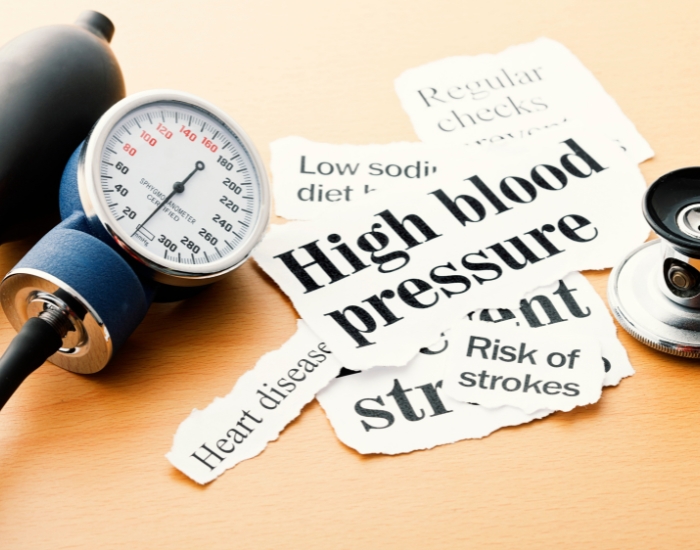
Hypertension can silently impact your health, often leading to serious complications if left unchecked. Understanding what makes high blood pressure dangerous is crucial for your well-being. It increases the risk of heart disease, stroke, and kidney problems, making it vital to monitor your levels. Taking proactive steps towards managing your blood pressure can lead to significant improvements in your overall health. Stay informed and empowered to protect your health.
What is High Blood Pressure?
Understanding Blood Pressure
Your blood pressure measures the force of blood against the walls of your arteries as your heart pumps it around your body. It is represented as two numbers: systolic pressure (the higher number) indicates the pressure during heartbeats, while diastolic pressure (the lower number) measures it in between beats. Ideally, a normal reading is around 120/80 mmHg, but when levels consistently exceed 130/80 mmHg, it signals high blood pressure or hypertension.
Hypertension is often asymptomatic, meaning you may not notice any symptoms until it leads to serious health issues like heart attack or stroke. Regular monitoring can help you stay aware of your numbers and take action before complications arise.
Risk Factors
Several factors contribute to the likelihood of developing high blood pressure. Age plays a significant role, as the risk increases as you get older. Genetics also have an impact, with a family history of hypertension putting you at greater risk. Lifestyle choices, such as poor diet, physical inactivity, and excessive alcohol consumption can elevate your blood pressure levels.
Additionally, conditions like diabetes, high cholesterol, and obesity are all linked to increased hypertension risk. Stress is another contributing element; enduring high-stress periods can temporarily spike your blood pressure and lead to longer-term issues if not managed appropriately.
- Age
- Genetics
- Poor diet
- Physical inactivity
- Excessive alcohol consumption
- Diabetes
- Obesity
Any understanding of these risk factors can empower you to make healthier choices that may lower your chances of experiencing high blood pressure.
Additional lifestyle factors can significantly influence your blood pressure. For instance, smoking not only damages your arteries but also elevates blood pressure immediately after smoking. Moreover, excessive sodium intake in your diet can lead to water retention, increasing blood pressure levels. Psychological factors, such as chronic stress or anxiety, can also play a critical role in hypertension’s development.
- Smoking
- Sodium intake
- Chronic stress
- Anxiety
Any acknowledgment of these additional influences can motivate you to adopt a balanced approach to your health and reduce the risks associated with high blood pressure.
Why is High Blood Pressure Dangerous?
Impact on Heart Health
High blood pressure puts immense strain on your heart, leading to a range of cardiovascular issues. Chronically elevated blood pressure causes the heart to work harder than normal, which can result in conditions such as heart failure, coronary artery disease, and even heart attacks. Studies show that every increase of 20 mmHg systolic or 10 mmHg diastolic doubles your risk of heart disease. Over time, your heart muscle may thicken and stiffen, impairing its ability to pump blood effectively, and you may develop arrhythmias, increasing the likelihood of life-threatening complications.
Effects on Other Organs
Your organs are not immune to the damaging effects of high blood pressure. Prolonged hypertension can lead to kidney damage, as the increased pressure can harm the blood vessels in these vital organs, impairing their ability to filter waste effectively. This can lead to chronic kidney disease or even kidney failure. Additionally, high blood pressure can affect your eyesight, causing conditions such as hypertensive retinopathy, where damage to the blood vessels in your eyes can result in vision loss.
The effects extend beyond these organ systems; high blood pressure can also harm your brain, increasing the risk of stroke and cognitive decline. Approximately 77 million Americans have high blood pressure, placing them at a higher risk for these serious consequences. Effective management and lifestyle changes can mitigate these risks significantly, highlighting the importance of regular monitoring and health consultations.
Symptoms of High Blood Pressure
Silent Signs
High blood pressure often goes unnoticed due to its asymptomatic nature, earning it the nickname “silent killer.” You may feel perfectly fine while your blood pressure readings indicate potential danger. Some subtle signs include headaches, dizziness, or nosebleeds—although these symptoms typically appear only when blood pressure reaches dangerously high levels. Regular monitoring is necessary to catch high blood pressure before it escalates into more severe health issues.
Research indicates that up to 30% of those with high blood pressure are unaware of their condition until complications arise. This lack of awareness highlights the need for routine check-ups and blood pressure screenings, especially for individuals with risk factors such as obesity, diabetes, or a family history of hypertension.
When to Seek Help
You should seek immediate medical attention if you experience symptoms like severe headaches, shortness of breath, or chest pain. These could be signs of a hypertensive crisis, which requires urgent care to prevent life-threatening complications such as stroke or heart attack. If your blood pressure readings consistently exceed 180/120 mmHg, it’s time to contact a healthcare professional.
In addition to acute symptoms, ongoing high blood pressure is also a reason to reach out to your doctor. If consistently high readings are noted during routine checks, or you experience concerning symptoms over time, addressing these issues early can lead to better management. Your healthcare provider can help formulate a personalized treatment plan to control your blood pressure and reduce your risk of serious health complications.
Diagnosing High Blood Pressure
Health Screenings
During routine health screenings, healthcare professionals assess your blood pressure using a sphygmomanometer. This device measures the pressure in your arteries during the contraction and relaxation phases of your heartbeat. If you have readings consistently at or above 130/80 mmHg, you may be diagnosed with high blood pressure, also known as hypertension. Regular screenings are vital, as many individuals do not exhibit symptoms until serious complications arise.
Screening may include additional assessments, such as evaluating your medical history, physical examination, and sometimes laboratory tests to identify underlying causes. If your readings indicate high blood pressure, your doctor may recommend lifestyle changes or medications to manage your condition effectively.
At-Home Monitoring
At-home monitoring empowers you to track your blood pressure regularly, providing valuable information to your healthcare provider. By using a digital blood pressure cuff, you can easily monitor your readings in different conditions and times, which may present a more accurate picture than occasional office visits. Aim to take your blood pressure at the same time each day for consistency, and keep a log for your doctor’s review.
It’s important to follow guidelines while measuring at home. Sit quietly for a few minutes before taking a reading, avoid caffeine or smoking beforehand, and ensure that your arm is supported at heart level during the measurement. Recording these readings can help in adjusting treatments effectively and understanding your blood pressure patterns better.
Using at-home monitoring creates a sense of involvement in your health management. It allows you to note trends and informs discussions with your doctor, leading to more tailored treatment options. Consistency and accuracy in tracking your blood pressure can significantly impact the effectiveness of your hypertension management plan.
Managing High Blood Pressure
Lifestyle Changes
Making lifestyle changes can have a significant impact on your blood pressure levels. Incorporating a balanced diet rich in fruits, vegetables, and whole grains is vital; studies indicate that the DASH diet (Dietary Approaches to Stop Hypertension) can reduce blood pressure by up to 11 mmHg. Additionally, reducing sodium intake to less than 2,300 mg per day, or ideally 1,500 mg, can help lower your blood pressure substantially. Regular physical activity is another key factor; aim for at least 150 minutes of moderate aerobic exercise each week. Even simple activities like walking or cycling can be beneficial.
Medications
When lifestyle changes alone aren’t enough, healthcare providers often prescribe medications to help manage high blood pressure. These can range from diuretics that help eliminate excess fluid to ACE inhibitors that relax blood vessels. It’s important to take these medications as directed and to consult with your healthcare provider about any concerns or side effects. Typically, blood pressure medications are tailored to your specific health needs, and some patients may require a combination of two or more drugs for optimal control.
For many, finding the right medication is a process of trial and error. Some popular options include beta-blockers, which slow your heart rate, and calcium channel blockers, which relax blood vessel muscles. Regular monitoring of your blood pressure is vital after starting these medications, as adjustments might be necessary to achieve your target levels. Understanding how these medications work can empower you to manage your treatment effectively.
Tips for Prevention
Preventing high blood pressure is crucial for maintaining your overall health and lowering your risk of heart disease. To effectively manage your blood pressure, consider the following practical tips:
- Engage in regular physical activity.
- Adopt a healthy diet rich in fruits and vegetables.
- Limit sodium intake.
- Maintain a healthy weight.
- Avoid excessive alcohol consumption.
- Reduce stress levels.
These strategies can significantly impact your blood pressure and overall well-being. The sooner you integrate these practices into your lifestyle, the better equipped you will be to manage your blood pressure effectively.
Healthy Eating
Eating well plays a pivotal role in blood pressure management. Focus on incorporating whole foods, including fruits, vegetables, whole grains, and lean proteins, into your daily meals. The DASH diet (Dietary Approaches to Stop Hypertension) is specifically designed to help lower blood pressure by emphasizing nutrient-dense options while minimizing sodium consumption. By reducing processed foods, you can make a noticeable difference in your blood pressure levels.
Pay attention to portion sizes and try to experiment with herbs and spices for flavor instead of salt. Potassium-rich foods, such as bananas, spinach, and sweet potatoes, can also help balance sodium levels in your body. The more effort you put into planning your meals, the more you can enjoy your food while actively supporting your heart health.
Staying Active
Physical activity is another key component in preventing high blood pressure. Aim for at least 150 minutes of moderate-intensity aerobic exercise each week. Engaging in activities like brisk walking, cycling, or swimming not only helps reduce blood pressure but also enhances your overall cardiovascular health. Incorporating strength training exercises at least two days a week can further boost your results.
Staying active doesn’t mean you have to commit to long workouts every day. Short bursts of movement throughout the day can also be effective. Simple changes, like taking the stairs instead of the elevator, parking farther away, or participating in recreational sports, can contribute to an active lifestyle. The consistency in your daily activity level will lead to tangible improvements over time.
Summing up
Conclusively, understanding high blood pressure is vital for your overall health. You must recognize that consistently elevated blood pressure can lead to serious health complications, including heart disease, stroke, and kidney failure. By being aware of your numbers, you empower yourself to take proactive steps to maintain a healthy lifestyle.
Taking action such as regular exercise, a balanced diet, and stress management can significantly lower your risk. It’s necessary to have regular check-ups with your healthcare provider so you can keep track of your blood pressure and address any concerns early on. Prioritizing your health will allow you to enjoy a better quality of life and reduce the dangers associated with high blood pressure.
FAQ
Q: What is considered high blood pressure?
A: High blood pressure, or hypertension, is typically defined as having a blood pressure reading of 130/80 mm Hg or higher.
Q: What level of blood pressure is considered dangerous?
A: Blood pressure readings of 180/120 mm Hg or higher constitute a hypertensive crisis, which can be dangerous and may require immediate medical attention.
Q: Can high blood pressure lead to serious health issues?
A: Yes, uncontrolled high blood pressure can lead to serious conditions such as heart disease, stroke, kidney damage, and eye problems.
Q: What are the symptoms of dangerously high blood pressure?
A: Symptoms may include severe headaches, shortness of breath, nosebleeds, and chest pain, though many people may not experience symptoms until a crisis occurs.
Q: How can I manage high blood pressure effectively?
A: Management strategies include lifestyle changes like maintaining a healthy diet, regular exercise, reducing salt intake, managing stress, and adhering to prescribed medications.