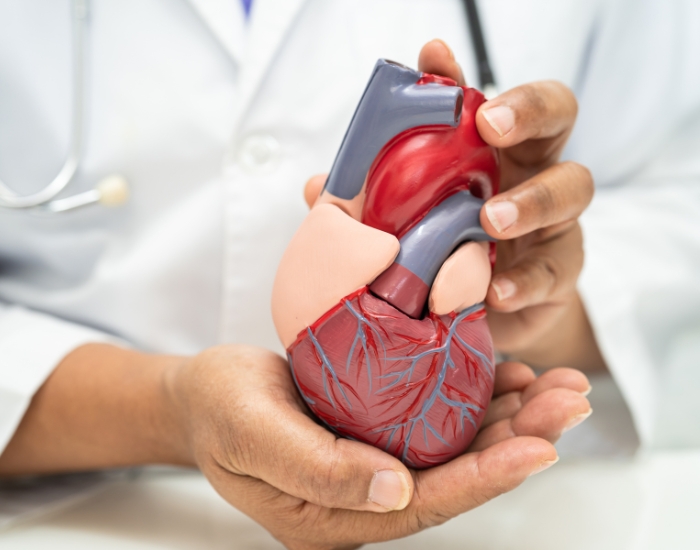
Heart failure is a long-term medical condition where the heart becomes weaker and struggles to pump blood efficiently. It does not mean the heart has stopped working — rather, its ability to circulate blood is reduced, affecting the body’s oxygen supply. Millions of people around the world live with heart failure, and new advancements in medications and treatment have significantly improved life expectancy.
One of the most common — and most emotional — questions patients and families ask is:
“How long can someone live with heart failure?”
The answer depends on several factors including age, stage of heart failure, underlying health conditions, and how well treatment plans are followed. With early diagnosis and consistent care from a cardiologist, many people live active, fulfilling lives for years after their initial diagnosis.
1. What Is Heart Failure?
Heart failure occurs when the heart cannot pump blood effectively, causing fluid buildup and reduced circulation. It may affect the left side of the heart, right side, or both.
Some patients experience shortness of breath when walking or lying flat, while others notice swelling in the legs or a persistent cough from fluid retention. Fatigue, weakness, and difficulty exercising are also common. Heart failure develops gradually for most individuals, but sudden worsening can occur without proper management.
2. Average Life Expectancy With Heart Failure
Life expectancy can vary significantly from one patient to another and depends on how early the condition is diagnosed and how well it is managed. Research shows that about half of people diagnosed with heart failure live for at least five years after their diagnosis. Many patients, especially those who begin treatment early and follow a structured care plan, may live ten years or longer. In fact, individuals who receive guideline-based medical therapy, participate in cardiac rehabilitation, and maintain regular follow-ups with their cardiologist often live 10–15 years or more with well-controlled symptoms.
3. Factors Affecting Longevity
Several elements influence how long someone can live with heart failure, and they all work together to determine long-term outcomes. Age and overall health play a critical role, as younger and otherwise healthy individuals tend to respond better to treatment. The severity of the condition — especially the measurement of ejection fraction (how well the heart pumps blood) — also affects prognosis. The underlying cause of heart failure, such as previous heart attacks, long-standing high blood pressure, or valve disease, can further impact life expectancy.
Equally important is how consistently the patient follows their treatment plan. Lifestyle choices such as diet, smoking habits, physical activity level, and sodium intake greatly influence disease progression. Patients who take their medications as prescribed and maintain heart-healthy habits typically have better outcomes and fewer hospitalizations.
4. Heart Failure Stages (NYHA Classification)
Doctors use the NYHA classification system to determine how advanced heart failure is and how much it is affecting a patient’s daily activities. In Class I, patients can perform normal routine activities without experiencing symptoms such as shortness of breath or fatigue. In Class II, symptoms are mild and typically appear during moderate physical activity, like walking longer distances or climbing stairs. In Class III, symptoms become noticeable during minimal exertion, such as short walks or everyday household tasks. In Class IV, symptoms are present even at rest, and basic daily activities become difficult. Understanding which stage a patient falls into helps guide treatment decisions and provides clarity on lifestyle modifications, medication adjustments, and long-term monitoring.
5. Signs Heart Failure May Be Progressing
Heart failure symptoms may worsen over time, and recognizing early warning signs is essential. Patients should pay attention to increasing shortness of breath, particularly during activities that were previously manageable, as well as sudden and unexplained weight gain, which often signals fluid retention. Swelling in the legs, ankles, or abdomen may also indicate that the heart is not pumping efficiently.
Another key sign is increasing fatigue or a noticeable decrease in exercise tolerance. When these changes occur, it could mean the heart is experiencing increased strain or decreased function, and immediate medical evaluation is necessary to prevent complications.
6. How to Increase Life Expectancy
Heart failure cannot be cured, but progression can be slowed down with the right treatment plan. Consistency is the most important factor.
The most effective strategies include:
- Taking all heart medications as prescribed
- Following a low-sodium diet to prevent fluid overload
- Monitoring daily weight to identify early fluid retention
- Quitting smoking and limiting alcohol
- Staying physically active as approved by a cardiologist
Many patients also benefit from medical devices such as pacemakers or defibrillators, which help regulate heart rhythm and prevent sudden cardiac events.
7. When to Seek Medical Care
Seek immediate cardiology evaluation if symptoms worsen or if you experience:
- Shortness of breath at rest
- Chest pressure or pain
- Swelling that becomes persistent or rapidly worse
- Sudden unexplained weight gain (2–3 lbs in a day or 5 lbs in a week)
Delayed treatment increases the risk of hospitalization and disease progression.
8. Final Thoughts
If you or someone you love has been diagnosed with heart failure, proper evaluation and early treatment can significantly improve quality of life and longevity.
Cypress Cardiovascular Institute specializes in advanced heart and vascular care, including heart failure management, diagnostic testing, medication optimization, and long-term monitoring. Our cardiology team focuses on personalized treatment plans designed to improve heart function and help patients live longer, healthier lives.
Schedule a consultation today to discuss your heart condition, symptoms, and treatment options.
Disclaimer: This blog is for educational purposes only. It does not provide medical advice or replace consultation with a licensed healthcare provider. Always speak with a qualified medical professional before making decisions related to diagnosis, treatment, or management of heart failure.