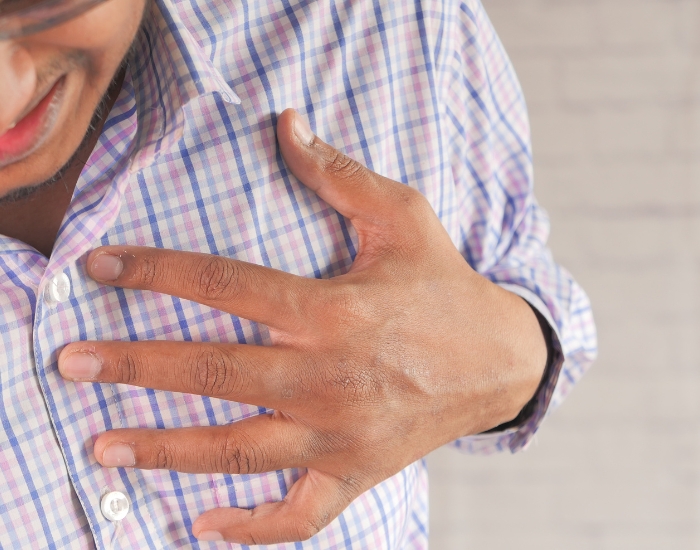
Chest pain is one of the most common reasons people seek medical care, and it often raises immediate concern about the heart. While chest pain can be a sign of a serious heart condition, not all chest pain originates from the heart. Many other structures in the chest, including muscles, lungs, nerves, and the digestive system, can also cause discomfort. Understanding the possible causes of chest pain, how heart-related pain differs from other types, and when to seek urgent care can help individuals respond appropriately and avoid unnecessary delays in treatment.
1. What Is Chest Pain?
Chest pain refers to any discomfort felt between the neck and upper abdomen. It may feel sharp, dull, burning, tight, heavy, or squeezing, and it can vary in intensity and duration. Chest pain may occur suddenly or develop gradually and can be constant or intermittent.
Because the chest contains several vital organs and structures, identifying the source of pain can be challenging. The sensation alone does not always indicate whether the pain is heart-related, which is why proper evaluation is essential.
2. Why Chest Pain Is Often Linked to the Heart
The heart is a critical organ, and chest pain is one of the most recognized warning signs of heart disease. Public awareness campaigns and medical guidance have emphasized the connection between chest pain and heart attacks, making many people associate any chest discomfort with a cardiac emergency.
Heart-related chest pain occurs when the heart muscle does not receive enough oxygen-rich blood. This lack of oxygen triggers pain signals that may be felt in the chest or radiate to other areas such as the arms, neck, jaw, or back. Because these conditions can be life-threatening, chest pain is taken seriously by healthcare professionals.
3. Heart-Related Causes of Chest Pain
Several cardiovascular conditions can cause chest pain, some of which require urgent or immediate medical attention.
3.1. Heart Attack
- Occurs when blood flow to part of the heart muscle is blocked
- Chest pain often feels like pressure, squeezing, or heaviness rather than sharp pain
- Pain may last longer than a few minutes
- Commonly accompanied by shortness of breath, sweating, nausea, or dizziness
3.2. Angina
- Caused by reduced blood flow to the heart muscle
- Typically triggered by physical activity or emotional stress
- Often improves with rest
- Serves as a warning sign of underlying coronary artery disease
3.3. Pericarditis
- Inflammation of the sac surrounding the heart
- Causes sharp or pressure-like chest pain
- Pain may worsen when lying down
- Symptoms often improve when sitting up or leaning forward
3.4. Aortic Conditions
- Includes serious conditions such as aortic dissection
- Can cause severe chest pain that spreads to the back or neck
- Considered medical emergencies
- Require immediate medical care
4. Non-Heart Causes of Chest Pain
Many cases of chest pain are not related to the heart. Recognizing these causes helps explain why chest discomfort does not always signal a cardiac problem.
4.1. Digestive Causes
- Gastroesophageal reflux disease (GERD) can cause burning or pressure-like chest pain
- Discomfort often occurs after eating or when lying down
- Symptoms may closely mimic heart-related chest pain
4.2. Musculoskeletal Pain
- Caused by muscle strain, rib injury, or chest wall inflammation
- Pain often worsens with movement or pressure
- Typically localized and reproducible
4.3. Lung Conditions
- Pneumonia, pleurisy, or pulmonary embolism may cause chest pain
- Pain often worsens with breathing or coughing
- May be accompanied by shortness of breath or fever
4.4. Anxiety and Panic Disorders
- Can cause intense chest pain or tightness
- Often associated with rapid heartbeat and shortness of breath
- Symptoms may closely resemble heart-related chest pain
- Medical evaluation is still important to rule out serious causes
5. Symptoms That Suggest a Heart Problem
Certain features make chest pain more likely to be heart-related. These include pain that feels like pressure or squeezing, pain that spreads to the left arm, neck, jaw, or back, and pain that occurs during physical exertion or stress.
Additional warning signs include shortness of breath, sweating, nausea, lightheadedness, or fainting. When chest pain is associated with these symptoms, the likelihood of a heart problem increases.
6. How Providers Determine the Cause
Healthcare providers use a systematic approach to determine whether chest pain is related to the heart. This begins with a detailed medical history, including the nature of the pain, when it started, what triggers it, and whether other symptoms are present.
A physical examination follows, along with diagnostic testing such as an electrocardiogram (ECG), blood tests to detect heart muscle damage, chest imaging, and stress testing when appropriate. These tools help distinguish cardiac chest pain from other causes.
7. When Chest Pain Is an Emergency
Chest pain should always be treated as an emergency if it is sudden, severe, unexplained, or worsening. Immediate medical attention is needed if chest pain occurs with shortness of breath, pain spreading to other areas, sweating, nausea, or loss of consciousness.
Calling 911 or local emergency services promptly can be lifesaving, especially in cases of heart attack or other serious conditions.
8. Managing and Preventing Chest Pain
Treatment depends on the underlying cause of chest pain. Heart-related conditions may require medications, lifestyle changes, or procedures to restore blood flow and reduce risk. Preventive strategies include maintaining a heart-healthy diet, staying physically active, managing stress, and controlling blood pressure and cholesterol.
Non-heart causes may be managed with dietary changes, physical therapy, anxiety management, or targeted medical treatments. Regular follow-up with a healthcare provider helps ensure symptoms are controlled and risks are minimized.
9. Final Thoughts
Chest pain does not always mean a heart problem, but it should never be ignored. Because heart-related chest pain can be life-threatening, understanding the warning signs and seeking timely evaluation are essential. Early assessment helps identify serious conditions and provides reassurance when the cause is not cardiac.
If you are experiencing chest pain or are unsure about its cause, a professional evaluation is important. The experienced team at Cypress Cardiovascular Institute provides comprehensive assessments to help determine whether chest pain is heart-related and guide appropriate care.
Disclaimer: This article is for educational purposes only and does not replace professional medical advice, diagnosis, or treatment. Always seek immediate medical care for severe or persistent chest pain.