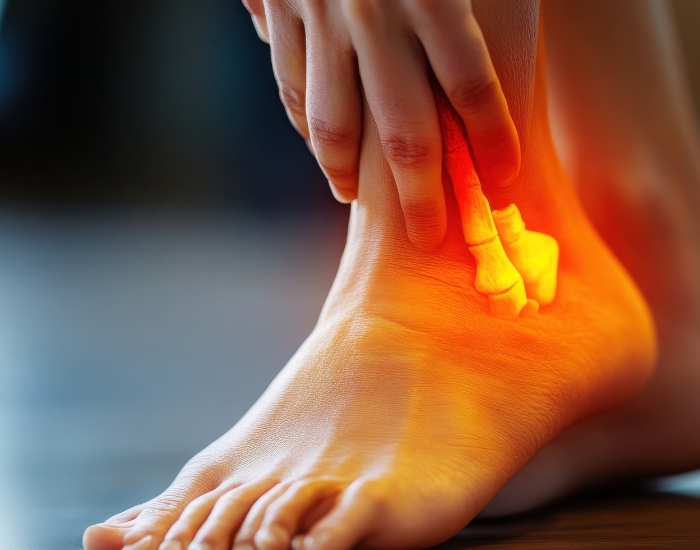
Varicose veins are not just a cosmetic concern—they can cause significant discomfort and visible changes in the skin, particularly around the ankles. Two common symptoms are itching and skin discoloration, which often signal underlying venous issues. While these symptoms may seem minor at first, they can indicate progression of vein disease and may lead to complications such as skin thickening or ulcers if left untreated. Understanding why varicose veins cause these changes, how to identify them, and when to seek care is essential for maintaining healthy circulation and leg health.
1. What Causes Varicose Veins?
Varicose veins occur when veins become enlarged and twisted due to weakened or damaged valves. These valves normally allow blood to flow upward toward the heart, but when they fail, blood can pool in the lower legs. The resulting increased pressure stretches the veins, causing them to bulge and potentially lead to other symptoms, including skin changes. Factors that contribute to varicose veins include aging, genetics, hormonal changes, prolonged standing or sitting, obesity, and pregnancy.
2. How Varicose Veins Affect the Skin
When blood pools in the veins, it increases pressure in the surrounding tissues, which can lead to skin irritation, inflammation, and breakdown. Over time, chronic venous congestion can trigger itching, redness, and brown or reddish discoloration around the ankles. In some cases, the skin becomes dry, thickened, or hardened—a condition known as lipodermatosclerosis. Understanding these changes is key to preventing complications and managing symptoms effectively.
3. Itching Around the Ankles
Itching near the ankles is a common symptom associated with varicose veins. This occurs due to:
- Venous stasis: Slowed blood flow irritates the skin
- Inflammation: Chronic pressure causes local skin irritation
- Dry skin: Poor circulation can reduce skin hydration
The itching may worsen at the end of the day or after prolonged standing and can sometimes lead to scratching, which increases the risk of skin breakdown or infection. Recognizing itching as a potential sign of vein problems can help guide timely evaluation and care.
4. Skin Discoloration and Changes
Skin discoloration around the ankles is another hallmark of chronic venous insufficiency. Blood pooling and leakage from damaged veins deposit iron-rich compounds into the skin, causing a brown or reddish pigmentation. Over time, skin may become:
- Dry and flaky
- Thickened or hardened
- Prone to minor wounds or ulcers
Discoloration often starts near the ankles and can spread upward if venous pressure remains uncontrolled. Early attention to these changes can prevent progression to more serious complications such as venous ulcers.
5. Risk Factors That Increase Severity
Several factors increase the likelihood of developing itching and skin discoloration from varicose veins. Age is significant, as older adults tend to have weaker vein walls. Gender also plays a role, with women being more affected due to hormonal influences. Obesity adds strain to the veins in the legs, while a family history of varicose veins can predispose individuals to more severe vein problems. Prolonged standing or sitting increases venous pressure in the lower legs, and a history of leg injury or previous vein issues can further raise risk. People with multiple risk factors should monitor their legs closely and seek early evaluation if symptoms appear.
6. Diagnosing Skin Changes from Varicose Veins
Diagnosing skin changes from varicose veins begins with a detailed physical examination. Healthcare providers evaluate visible varicose veins, assess the extent and location of skin discoloration, check for swelling or inflammation, and look for signs of skin breakdown or ulcers. Diagnostic tests may include a duplex ultrasound to assess blood flow and valve function, or, in rare cases, a venography to visualize vein structure. A thorough patient history also helps distinguish vein-related skin changes from other conditions such as eczema or dermatitis. This comprehensive approach ensures accurate diagnosis and guides effective treatment planning.
7. When to Seek Medical Care
Itching and discoloration around the ankles should never be ignored. Medical care is recommended if itching is severe or persistent, skin discoloration is spreading or darkening, ulcers or open sores develop, swelling becomes pronounced, or redness and warmth appear, suggesting infection or clot formation. Early medical attention can prevent the progression of venous disease and avoid complications such as chronic inflammation or venous ulcers, ensuring safer and more effective management.
8. Treatment and Management Options
Treatment for varicose veins and associated skin changes depends on symptom severity. Conservative measures include wearing compression stockings to improve circulation, elevating the legs regularly to reduce venous pressure, applying moisturizers to relieve dry, itchy skin, and avoiding prolonged standing or sitting.
For more advanced cases, medical and procedural options may be considered. Sclerotherapy involves injecting a solution to close affected veins. Endovenous Laser Therapy (EVLT) is a minimally invasive procedure used to seal diseased veins, and surgical interventions such as vein stripping or ligation may be necessary in severe cases. Treatment aims to relieve discomfort, improve appearance, and prevent complications. Early intervention is especially important for patients with significant skin changes to protect leg health and circulation.
9. Preventing Itching and Discoloration
Prevention focuses on improving venous circulation and reducing skin irritation:
- Maintain a healthy weight to reduce pressure on leg veins
- Exercise regularly, especially walking or leg-strengthening routines
- Elevate legs periodically to improve blood flow
- Avoid prolonged sitting or standing
- Wear compression stockings if recommended
- Keep skin moisturized to prevent dryness and itching
These measures can help minimize discomfort, prevent worsening skin changes, and support overall vein health.
10. Final Thoughts
Itching and skin discoloration around the ankles are often early warning signs of venous insufficiency caused by varicose veins. While they may seem minor at first, they can progress to more serious complications if untreated. Recognizing symptoms, seeking medical evaluation, and adopting lifestyle measures or treatment interventions can relieve discomfort, protect the skin, and prevent future complications.
If you notice itching, discoloration, or other symptoms around your ankles, consult the specialists at Cypress Cardiovascular Institute. Our team provides comprehensive vein evaluations and personalized treatment plans to restore comfort and support healthy circulation.
Disclaimer: This content is for educational purposes only and does not replace professional medical advice, diagnosis, or treatment. Always consult a qualified healthcare provider for personalized care, especially if symptoms worsen or persist.