Leg pain and swelling are common complaints that can significantly affect daily life. One frequent underlying cause is varicose veins, which are enlarged, twisted veins that often appear in the legs and feet. While varicose veins are sometimes considered a cosmetic concern, they can lead to discomfort, swelling, and even more serious complications if left untreated. Understanding why varicose veins develop, how they cause pain and swelling, and what treatment options exist is essential for maintaining healthy circulation and preventing complications.
1. What Are Varicose Veins?
Varicose veins are veins that have become enlarged, twisted, and often bulging. They most commonly occur in the legs because standing and walking increase pressure in the lower body veins. Healthy veins contain one-way valves that help blood return to the heart. When these valves weaken or fail, blood can pool in the veins, causing them to enlarge and become varicose.
Varicose veins can appear as blue, purple, or skin-colored cords on the surface of the legs. While some people may have no symptoms, others experience pain, heaviness, or swelling.
2. Causes of Varicose Veins
Varicose veins develop primarily due to valve failure within the veins. When valves do not function properly, blood flows backward and accumulates in the veins. Other contributing factors include:
- Genetics: Family history increases the likelihood of developing varicose veins
- Age: Vein walls and valves weaken with age
- Hormonal Changes: Pregnancy, menopause, and birth control can affect vein health
- Prolonged Standing or Sitting: Increases pressure in leg veins
- Obesity: Adds strain to the veins in the lower body
Understanding the underlying cause helps in both treatment and prevention.
3. Symptoms of Varicose Veins
Varicose veins may produce a range of symptoms. Common complaints include:
- Visible, bulging, or twisted veins on the legs
- Aching or throbbing leg pain
- Swelling in the lower legs or ankles
- A feeling of heaviness or fatigue in the legs
- Itching around the veins
- Skin discoloration or changes near affected veins
Symptoms may worsen after prolonged standing or at the end of the day.
4. How Varicose Veins Cause Leg Pain and Swelling
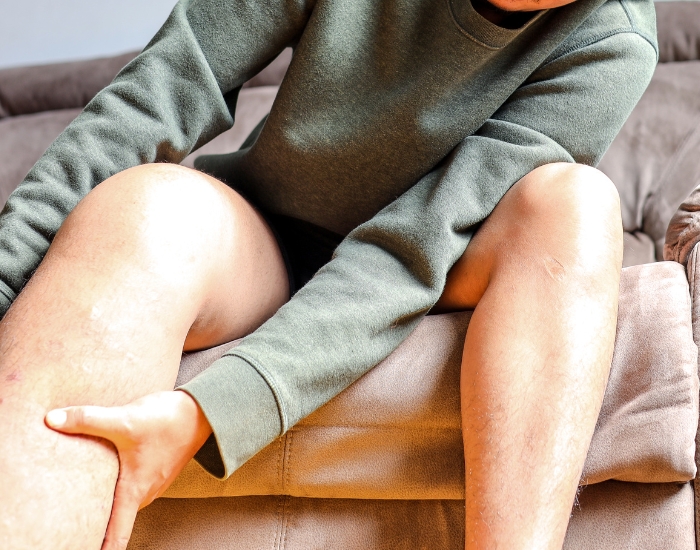
Leg pain and swelling from varicose veins are caused by impaired blood flow in the lower limbs. When vein valves fail, blood can pool, increasing venous pressure and stretching the vein walls. This increased pressure leads to discomfort and swelling in the affected areas. Pain is often described as aching, throbbing, or cramping in the lower legs. Swelling typically occurs around the ankles and feet and can worsen throughout the day. Many people also experience a feeling of heaviness or fatigue in the legs, especially after standing for long periods. In severe cases, persistent swelling may lead to skin changes such as thickening, dryness, or even ulceration. Recognizing these signs early is important, as timely intervention can relieve symptoms and prevent further complications.
4. How Varicose Veins Cause Leg Pain and Swelling
Leg pain and swelling from varicose veins are caused by impaired blood flow in the lower limbs. When vein valves fail, blood can pool, increasing venous pressure and stretching the vein walls. This increased pressure leads to discomfort and swelling in the affected areas. Pain is often described as aching, throbbing, or cramping in the lower legs. Swelling typically occurs around the ankles and feet and can worsen throughout the day. Many people also experience a feeling of heaviness or fatigue in the legs, especially after standing for long periods. In severe cases, persistent swelling may lead to skin changes such as thickening, dryness, or even ulceration. Recognizing these signs early is important, as timely intervention can relieve symptoms and prevent further complications.
6. Diagnosing Varicose Veins
Diagnosing varicose veins begins with a thorough physical examination. Providers examine the legs for visible, bulging veins, swelling, and changes in the skin. They will also ask about symptoms, family history, and lifestyle factors that could contribute to vein problems. Diagnostic testing may include a duplex ultrasound, which measures blood flow and checks for valve dysfunction, and, in rare cases, a venogram, which uses X-ray imaging with contrast to visualize vein structure. Physical assessment of swelling, tenderness, and skin condition further guides diagnosis. An accurate evaluation helps determine whether conservative management is sufficient or if more advanced treatments are needed.
7. When to Seek Medical Care
Although many varicose veins are mild and primarily cosmetic, certain symptoms indicate the need for prompt medical attention. Severe leg pain or swelling, skin ulcers near the veins, redness, warmth, or tenderness (which may indicate infection or blood clots), and sudden swelling, especially in one leg, all warrant immediate evaluation. Early medical care can prevent serious complications such as skin changes, venous ulcers, or deep vein thrombosis, ensuring safer and more effective management of vein health.
8. Treatment and Management Options
Treatment for varicose veins depends on the severity of symptoms and their impact on daily life.
Conservative measures are often the first approach. These include wearing compression stockings to improve circulation, elevating the legs when resting, avoiding prolonged sitting or standing, and engaging in regular exercise to strengthen the leg muscles.
When conservative management is insufficient, medical procedures may be considered. Sclerotherapy involves injecting a solution into the affected veins to close them. Endovenous laser therapy (EVLT) is a minimally invasive laser treatment that seals the veins. In severe cases, surgical options such as vein stripping or ligation may be recommended. All treatments aim to relieve discomfort, improve appearance, and prevent complications associated with poor venous circulation.
9. Preventing Leg Pain and Swelling
Preventing varicose vein-related pain and swelling involves lifestyle changes that support healthy circulation. Maintaining a healthy weight reduces strain on the lower limb veins. Regular exercise, including walking and leg-strengthening activities, improves blood flow. Avoiding prolonged sitting or standing and elevating the legs periodically can also help. Wearing compression stockings, if recommended by a healthcare provider, further supports vein health. These measures minimize discomfort and swelling while reducing the risk of future varicose vein complications.
10. Final Thoughts
Varicose veins are a common cause of leg pain and swelling but are not merely cosmetic. Early recognition, diagnosis, and management can prevent complications and improve quality of life. Monitoring symptoms and maintaining vein health through lifestyle changes or medical intervention is key to long-term relief.
If you experience leg pain, swelling, or visible varicose veins, consult the specialists at Cypress Cardiovascular Institute. Our team provides thorough vein evaluations and personalized treatment plans to restore comfort and improve circulation.
Disclaimer: This article is for educational purposes only and does not replace professional medical advice, diagnosis, or treatment. Always consult a healthcare provider for personalized care, especially if symptoms are severe or persistent.