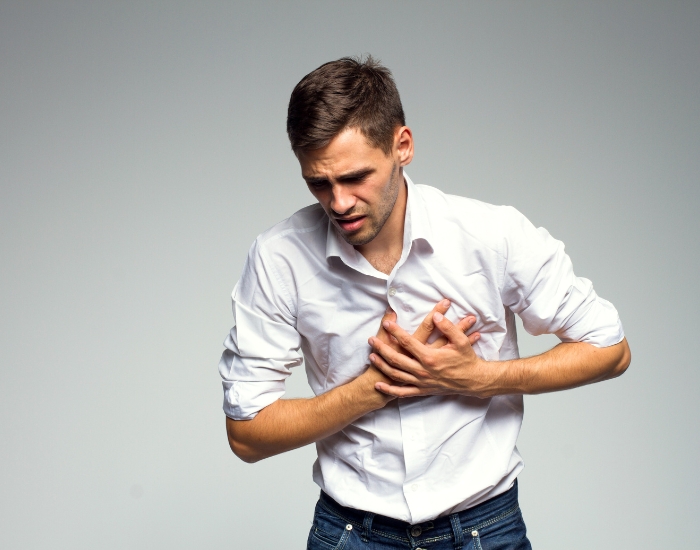
Feeling pressure, squeezing, or heaviness in the chest can be alarming. These sensations are commonly associated with heart problems, but they can also stem from other body systems. For many people, experiencing chest discomfort raises immediate questions: “Is this serious? Could it be my heart?” Understanding the possible causes, risk factors, and recommended actions can help you respond appropriately. In this article, we break down the common reasons behind chest pressure, how healthcare providers evaluate it, and when to seek emergency care.
1. What Does Chest Pressure Feel Like?
Chest pressure, squeezing, or heaviness refers to a sensation of tightness, weight, or force in the chest rather than a sharp, localized pain. This type of discomfort is often spread across the chest and may radiate to surrounding areas such as the shoulders, arms, neck, or jaw. Many people describe it as a band-like tightness, a heavy feeling similar to someone sitting on the chest, or a deep squeezing sensation in the center of the chest. These symptoms are frequently accompanied by shortness of breath, fatigue, or general discomfort. Unlike sharp chest pain, which is often confined to one side, chest pressure tends to feel dull, persistent, and difficult to pinpoint. Recognizing the nature of this sensation is important because it helps healthcare providers assess potential causes and determine how urgently medical evaluation is needed.
2. Common Heart‑Related Causes
Heart problems are perhaps the most serious causes associated with chest pressure. These include:
2.1. Angina
Angina refers to chest discomfort caused by reduced blood flow to the heart muscle. It is often triggered by physical activity or stress.
Key features:
- Pressure, squeezing, or heaviness
- Often occurs with exertion
- Usually improves with rest
Angina signals underlying coronary artery disease and requires medical evaluation.
2.2. Myocardial Infarction (Heart Attack)
A heart attack occurs when blood flow to a part of the heart is suddenly blocked.
Warning signs may include:
- Intense, persistent pressure or squeezing
- Pain radiating to arms, neck, or jaw
- Shortness of breath or nausea
- Sweating
Chest pressure with other symptoms demands immediate medical attention.
2.3. Pericarditis
Inflammation of the sac surrounding the heart (pericardium) can cause chest pressure.
Typical features:
- Sharp or pressure‑like discomfort
- Worse when lying down
- May improve when leaning forward
Although less common, pericarditis can accompany infections or autoimmune conditions.
3. Non‑Heart Causes of Chest Discomfort
Not all chest pressure signals a heart problem. Other body systems can produce similar sensations.
3.1. Gastroesophageal Reflux Disease (GERD)
GERD occurs when stomach acid backs up into the esophagus.
Symptoms:
- Burning or pressure in the chest
- Worse after eating or when lying down
- Often associated with heartburn
Unlike cardiac chest pain, GERD discomfort tends to follow meals and may include a sour taste.
3.2. Muscle Strain
Overuse or injury to chest wall muscles from heavy lifting or exercise can cause pressure or discomfort.
Signs:
- Pain aggravated by movement
- Tenderness when pressing the chest area
- No associated heart symptoms
3.3. Anxiety and Panic Attacks
Anxiety can manifest physically, including chest pressure.
Features:
- Rapid heartbeat
- Shortness of breath
- Sense of doom
Stress‑related chest pressure can be intense but typically improves as anxiety decreases.
3.4. Pulmonary Causes
Lung conditions such as pneumonia, pleurisy, or a pulmonary embolism (blood clot) may also cause chest discomfort.
Possible clues:
- Pain that changes with breathing
- Cough, fever, or sudden shortness of breath
Pulmonary causes often require specific evaluation and treatment.
4. How Chest Pressure Is Diagnosed
When someone experiences chest pressure, healthcare providers follow a structured and careful process to identify the underlying cause. Because chest discomfort can come from the heart, lungs, digestive system, or muscles, accurate diagnosis is essential to ensure timely and appropriate care.
Medical History
The diagnostic process often begins with a detailed medical history. Your provider will ask when the chest pressure started, how long it lasts, and whether certain activities or situations trigger or relieve the symptoms. They will also ask about associated symptoms such as shortness of breath, sweating, nausea, or fatigue. This information helps differentiate between heart-related causes and non-cardiac conditions, guiding the next steps in evaluation.
Physical Examination
A physical examination is performed to gather additional clues. During this exam, the provider checks vital signs, listens to the heart and lungs, and looks for physical signs that may indicate cardiovascular, respiratory, or musculoskeletal issues. Findings from the exam help determine which diagnostic tests are most appropriate.
Diagnostic Tests
To confirm or rule out serious conditions, several diagnostic tests may be ordered. An electrocardiogram (ECG) is commonly used to evaluate heart rhythm and detect signs of heart injury. Blood tests can reveal markers of heart muscle damage or inflammation. A chest X-ray helps visualize the lungs and chest structures, while stress testing or advanced imaging assesses how well blood flows to the heart during activity. Together, these tests help clarify whether chest pressure is related to the heart or another body system.
5. Risk Factors That Increase Concern
Certain risk factors increase the likelihood that chest pressure may be linked to a serious heart condition. Understanding these factors can help individuals and providers assess urgency and the need for further evaluation.
Cardiovascular Risk Factors
People with high blood pressure, high cholesterol, diabetes, or a history of smoking face a higher risk of heart disease. A family history of cardiovascular conditions also increases concern when chest pressure occurs, as genetic factors can play a significant role.
Age and Sex
The risk of heart-related chest pressure rises with age. Men tend to develop heart disease earlier in life, while women experience increased risk after menopause due to hormonal changes that affect cardiovascular health.
Lifestyle Factors
Lifestyle habits also influence risk. Physical inactivity, poor dietary choices, excessive alcohol consumption, and chronic stress can all contribute to heart disease and increase the likelihood that chest pressure signals a serious issue. If one or more of these risk factors are present, prompt medical evaluation becomes especially important.
6. When to Seek Emergency Care
Chest pressure should never be ignored, particularly when it is sudden, unexplained, or severe. Certain symptoms suggest a medical emergency and require immediate attention. These include chest pressure that spreads to the arm, neck, jaw, or back, shortness of breath, sweating, nausea, fainting, or symptoms that persist for more than a few minutes. In these situations, calling 911 or your local emergency number is critical. Early treatment significantly improves outcomes, especially in cases of heart attack or life-threatening lung conditions.
7. Managing and Preventing Future Episodes
After evaluation and diagnosis, managing chest pressure depends on the underlying cause. Treatment plans are individualized to reduce symptoms, address risk factors, and prevent future episodes.
Heart-Related Management
For heart-related conditions, management may include medications that improve blood flow or reduce the heart’s workload. Lifestyle changes such as adopting a heart-healthy diet, increasing physical activity, and quitting smoking play a key role in long-term heart health. In some cases, medical procedures may be needed to open blocked arteries and restore proper circulation.
GERD and Digestive Issues
When chest pressure is caused by digestive conditions like GERD, treatment often focuses on dietary adjustments, such as avoiding trigger foods, along with weight management. Medications that reduce stomach acid may also help relieve symptoms and prevent recurrence.
Anxiety-Related Episodes
Chest pressure linked to anxiety or panic episodes is typically managed through stress-reduction techniques, counseling or therapy, and medication when necessary. Learning to recognize triggers and manage stress effectively can greatly reduce future episodes.
Musculoskeletal Discomfort
For chest pressure caused by muscle strain or chest wall issues, treatment usually includes rest, a gradual return to activity, and supportive therapies such as heat, ice, or physical therapy. Pain management strategies can also help improve comfort during recovery.
Preventing future episodes often involves regular medical check-ups and working closely with a healthcare provider to follow a personalized care plan that addresses both symptoms and long-term health risks.
8. Final Thoughts
Pressure, squeezing, or heaviness in the chest can be unsettling. While it’s natural to worry about heart disease, many non‑cardiac conditions can also cause similar symptoms. Understanding common causes, recognizing warning signs, and knowing when to seek urgent care are essential to protecting your health. Early evaluation and appropriate testing ensure that serious conditions are addressed quickly and that you receive the right care for whatever is causing your symptoms.
If you or a loved one experiences recurrent or unexplained chest pressure, don’t wait to get answers. The cardiovascular specialists at Cypress Cardiovascular Institute are dedicated to comprehensive evaluation and personalized care. Contact us today to schedule an appointment and take control of your heart health.
Disclaimer: This article is intended for educational purposes only and does not replace professional medical advice, diagnosis, or treatment. Always consult a qualified healthcare provider for personalized guidance and emergency care if you experience severe or persistent symptoms.