Symptoms of blocked arteries can often go unnoticed until they become serious. You might experience chest pain, breathe shortness, or fatigue during physical activity, signaling that your heart isn’t getting enough blood. Other signs can include numbness or weakness in your limbs. By staying aware of these warning signs, you can take proactive steps towards improving your heart health and seeking medical advice when needed.
Understanding Blocked Arteries
What Causes Blocked Arteries?
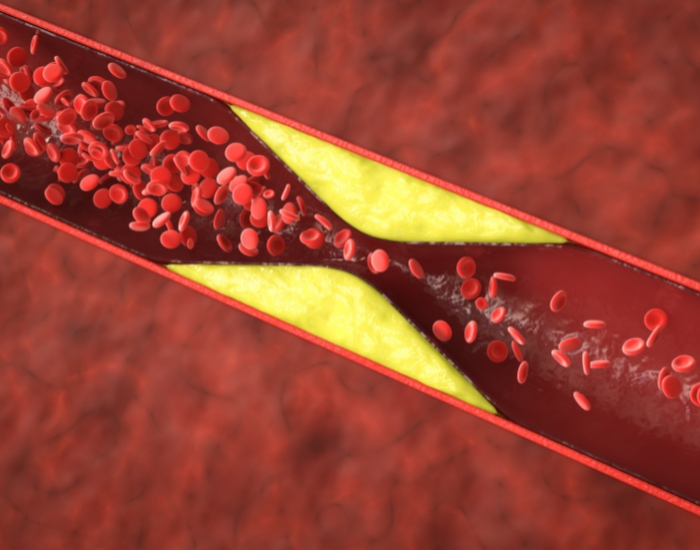
Blocked arteries are primarily caused by a condition known as atherosclerosis, where fatty deposits, known as plaques, build up on the artery walls. This process can begin as early as childhood and progresses over time, often without significant symptoms. Factors such as high levels of cholesterol, smoking, high blood pressure, and diabetes significantly contribute to plaque formation, reducing blood flow and oxygen supply to vital organs. In some cases, inflammation can promote this condition, leading to further complications.
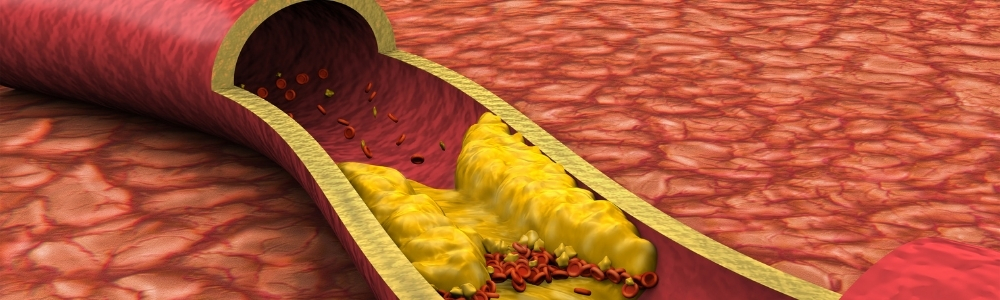
In addition, certain lifestyle choices and dietary habits can exacerbate the risk of developing blocked arteries. Diets high in saturated fats, trans fats, and sugars not only increase cholesterol levels but can also lead to obesity, which places additional strain on your cardiovascular system. The accumulation of these factors over years will increase the likelihood of heart attacks and strokes, serious events that often arise from blocked arteries.
Risk Factors to Watch Out For
Identifying the risk factors associated with blocked arteries is necessary for early intervention. Some of the most significant factors include a family history of heart disease, smoking, excessive alcohol consumption, and a sedentary lifestyle. Additionally, conditions such as high blood pressure and diabetes heighten your risk substantially. Simple lifestyle adjustments, like increasing physical activity and modifying your diet, can greatly reduce these risks.
Age and gender also play a role, as men tend to develop heart disease earlier than women. However, post-menopausal women see an increase in risk, making it vital for them to monitor their cardiovascular health closely. Maintaining regular check-ups can help you keep an eye on these risk factors, allowing for timely preventative measures.
- family history of heart disease
- smoking
- high blood pressure
- diabetes
After understanding these risk factors, begin the process of assessment and action to improve your heart health.
Developing a keen awareness of your health profile can empower you to take charge of your cardiovascular wellness. Regular screenings for cholesterol and blood pressure, combined with adopting a balanced diet and engaging in regular exercise, will not only mitigate these risks but also enhance your overall well-being. Education and lifestyle play a significant role in management, as informed choices lead to better health outcomes.
- age
- gender
- sedentary lifestyle
- excessive alcohol consumption
After recognizing these elements, you can proactively tailor your habits toward fostering a healthier future.
Recognizing the Signs
Common Symptoms to Notice
You may begin to notice signs that could indicate blocked arteries, often manifesting as chest pain or a sensation of pressure. Many individuals also report experiencing shortness of breath, particularly during physical activity. Other symptoms might include fatigue or light-headedness, which can become more pronounced with exertion. These sensations signal that your body may not be receiving adequate blood flow, prompting you to pay attention to your overall cardiovascular health.
In addition to these primary symptoms, you might also experience numbness or weakness in your limbs. If the arteries supplying blood to your brain are affected, you could find yourself grappling with symptoms like confusion or difficulty speaking. Being aware of these details allows you to monitor changes in your body that could be significant.
When to Seek Medical Help
It’s necessary to act promptly if you experience severe symptoms like intense chest pain, especially if it’s accompanied by radiating pain in your arms, jaw, or back. If you find that your symptoms persist or worsen, it’s advisable to seek medical assistance immediately. Your doctor may recommend diagnostic tests such as an echocardiogram or CT angiography to determine the state of your arteries.
Knowing when to seek help can make all the difference in your health outcomes. If you notice symptoms that interfere with your daily activities or raise alarm, don’t hesitate to consult a healthcare professional. Timely intervention, whether through lifestyle adjustments or medical treatment, can significantly improve your cardiovascular health and reduce the risk of serious complications.
The Importance of Early Detection
Early detection plays a vital role in managing your heart health, especially when it comes to blocked arteries. Catching these issues before they escalate can significantly increase your chances of successful treatment and recovery. Studies show that individuals who undergo screenings for cardiovascular diseases often identify risks earlier, leading to more effective interventions. By recognizing the signs and engaging with healthcare providers promptly, you pave the way for timely actions that can prevent serious complications.
Benefits of Regular Check-ups
Regular check-ups form an necessary part of your proactive health strategy. During these visits, healthcare professionals can monitor your blood pressure, cholesterol levels, and other risk factors for heart disease. For instance, having consistent check-ups can reduce your risk of heart attack by over 50% according to certain studies, as they allow for early identification and management of risk factors. Additionally, these appointments give you the opportunity to discuss any symptoms or lifestyle concerns that may contribute to arterial blockages, fostering a collaborative approach to your health.
Consistent screenings also facilitate the establishment of a baseline for your cardiovascular health, allowing you and your doctor to track changes over time. This awareness can empower you to make informed decisions about your lifestyle, medications, and other treatments—enhancing your overall heart health and quality of life.
Lifestyle Changes to Improve Heart Health
Integrating specific lifestyle changes can significantly bolster your heart health and reduce the risk of blocked arteries. For example, adopting a diet rich in fruits, vegetables, whole grains, and omega-3 fatty acids has been shown to lower LDL cholesterol levels and improve overall cardiovascular health. Regular physical activity is equally important; just 150 minutes of moderate exercise per week can enhance your heart function and circulation. Quitting smoking, managing stress, and maintaining a healthy weight are also vital steps you can take to promote better heart health.
Focusing on small, manageable changes can lead to significant improvements in your heart health over time. Incorporating daily walks, swapping out processed snacks for healthier options, and setting realistic goals can all contribute to lowering your risk of blocked arteries. It’s about creating a sustainable lifestyle that keeps your cardiovascular system in check, ensuring you feel your best.
Diagnostic Tests for Blocked Arteries
How Doctors Diagnose the Condition
Doctors employ a variety of diagnostic tests to determine the presence and extent of blocked arteries. One common method is a coronary angiogram, which involves injecting a contrast dye into your coronary arteries and taking X-ray images. This test provides a clear view of blood flow and can identify obstructions. Additionally, non-invasive tests like stress tests and ultrasound can help assess how well your heart functions under physical stress and the overall condition of your arteries.
Another key diagnostic tool is CT angiography, which uses advanced imaging technology to create detailed images of your blood vessels. In some cases, blood tests may also be conducted to measure cholesterol levels, inflammatory markers, and other risk factors associated with cardiovascular disease. Together, these tests enable your doctor to develop a comprehensive understanding of your heart health.
Understanding Test Results
Interpreting test results is vital to determine the severity of artery blockage and the appropriate treatment plan. For instance, during a coronary angiogram, your doctor will look for narrowing or blockages in the arteries. A significant blockage, usually defined as greater than 70%, may warrant immediate intervention, such as angioplasty or stent placement. On the other hand, mild to moderate blockages might be managed with lifestyle changes and medication.
Moreover, understanding how your cholesterol levels relate to artery health is vital. Elevated LDL cholesterol can contribute to plaque buildup, while higher levels of HDL cholesterol are protective. With test results indicating risk factors, your doctor may recommend specific strategies to manage your cardiovascular health, including dietary modifications, exercise, and possibly medications to help lower cholesterol.
Treatment Options Available
Non-Surgical Treatments
Non-surgical treatments for blocked arteries often focus on lifestyle modifications and medication. You may find that adopting a heart-healthy diet rich in fruits, vegetables, whole grains, and lean proteins can significantly improve your condition. Medications such as statins, beta-blockers, and antiplatelet agents may be prescribed to manage cholesterol levels, control blood pressure, and prevent blood clots, respectively. Regular exercise is equally important, with experts recommending at least 150 minutes of moderate aerobic activity per week to boost cardiovascular health.
Your healthcare provider might also suggest the use of angioplasty and stenting as non-surgical options. In this procedure, a small balloon is inserted into the blocked artery and inflated to widen it, often followed by the placement of a stent to keep the artery open. This minimally invasive approach can relieve symptoms and improve blood flow without the need for major surgery.
Surgical Procedures Explained
When non-surgical treatments prove insufficient, you might be advised to consider surgical options like coronary artery bypass grafting (CABG). CABG involves taking a healthy blood vessel from another part of your body and using it to bypass the blocked artery, thus restoring blood flow to your heart. This procedure is particularly beneficial for those with multiple arterial blockages or severely narrowed arteries.
Another option is endarterectomy, where a surgeon removes the plaque buildup from the artery. This method can be particularly effective for those with significant blockages in the carotid arteries. Each of these surgical interventions can dramatically enhance your quality of life by improving blood circulation, reducing symptoms, and lowering the risk of serious cardiovascular events.
Preventive Measures
Healthy Eating for Heart Health
Your diet plays a pivotal role in maintaining your cardiovascular health. Focus on incorporating a variety of fruits, vegetables, and whole grains into your daily meals, as these foods are rich in important nutrients and fiber. Aim to include sources of healthy fats like avocados, nuts, and olive oil, while reducing your intake of trans fats and saturated fats. Research shows that diets high in omega-3 fatty acids, found in fatty fish like salmon, can lower triglyceride levels and support heart health.
Additionally, pay attention to portion sizes and frequency of meals. Eating smaller, balanced meals throughout the day can help manage your cholesterol and blood sugar levels, ultimately supporting your overall heart health. Always consider reading nutrition labels to avoid excessive sodium and added sugars. Any small changes in your eating habits can contribute significantly to reducing the risk of blocked arteries.
Staying Active: Exercise Tips
Regular physical activity is important for keeping your heart strong and reducing the likelihood of arterial blockages. Aim for at least 150 minutes of moderate-intensity aerobic exercise each week, such as brisk walking, cycling, or swimming. Incorporating exercises that build strength, such as resistance training twice a week, can also enhance your cardiovascular fitness. Keep in mind, consistency is key; find activities you enjoy to keep you motivated and engaged.
Mixing different types of workouts can prevent boredom and work various muscle groups, leading to overall improved fitness. Utilize tools like fitness trackers to monitor your activity levels and set achievable goals. If you’re starting from a low activity level, gradually increase your exercise duration and intensity to prevent injury. Any routine that keeps you moving will yield heart-healthy benefits.
- 150 minutes of exercise weekly
- strength training is beneficial
- enjoyable activities can boost motivation
- monitoring progress with tools can help
Engaging in activities such as dancing, hiking, or even gardening can improve your heart health while being enjoyable. Challenge yourself by trying new fitness classes or joining a local sports league to meet others with similar interests. Staying active not only boosts your heart health but also contributes to better mental well-being and quality of life. Any movement counts towards your heart health journey.
- new activities can improve heart health
- community involvement enhances motivation
- mental well-being benefits from exercise
- variety in fitness prevents boredom
To wrap up
Following this, it’s important to stay vigilant about the signs of blocked arteries. You should pay attention to any symptoms such as chest pain, shortness of breath, or unusual fatigue, as these may indicate that your heart isn’t receiving enough blood. Small changes in your daily routine, like incorporating heart-healthy foods and regular exercise, can make a significant difference in your overall cardiovascular health.
By being proactive and seeking medical advice if you notice any warning signs, you empower yourself to take control of your heart health. Staying informed about your body’s signals allows you to make positive lifestyle adjustments, leading to a longer, healthier life. Prioritizing your well-being now will benefit your heart health for years to come.
FAQ
Q: What are the early signs of blocked arteries?
A: Early signs include chest pain or discomfort (angina), shortness of breath, fatigue, and pain in the arms, neck, jaw, or back.
Q: How can I tell if I have blocked arteries?
A: Diagnosis typically involves medical imaging tests such as angiography, CT scans, or ultrasound, alongside assessments of symptoms and risk factors.
Q: Are there lifestyle changes that can help with blocked arteries?
A: Yes, maintaining a healthy diet, regular exercise, quitting smoking, managing stress, and controlling blood pressure and cholesterol levels can help improve artery health.
Q: What symptoms might indicate severe blockage of arteries?
A: Severe blockage may lead to symptoms such as intense chest pain, heart attack, severe shortness of breath, or unexplained dizziness and light-headedness.
Q: Can blocked arteries lead to other health issues?
A: Yes, blocked arteries can result in serious conditions such as heart disease, stroke, and peripheral artery disease if not addressed properly.