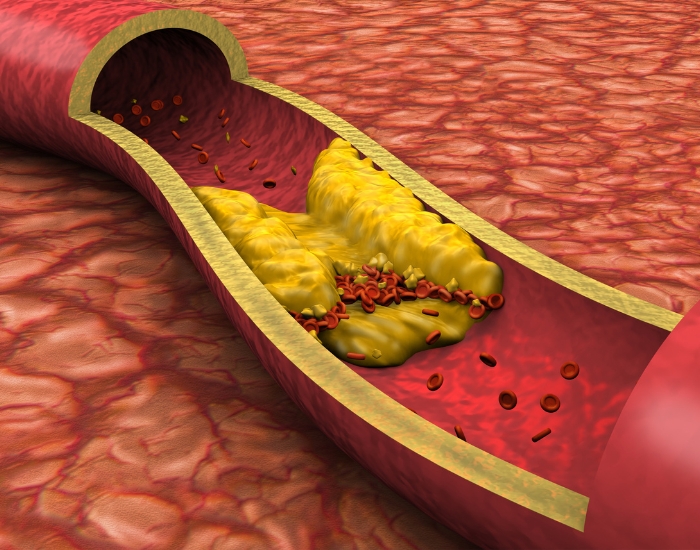
Arteries carry oxygen-rich blood to the heart and throughout the body. When these arteries become narrowed or blocked by plaque buildup, blood cannot flow as easily. This condition, known as atherosclerosis, develops slowly over time. Many people do not feel any symptoms until the blockage becomes serious. When warning signs do appear, they should not be ignored because blocked arteries can lead to heart attack, stroke, or sudden cardiac events.
Why Arteries Become Blocked
A buildup of cholesterol, fat, calcium, and other substances can collect along the artery walls. Over time, this plaque becomes harder and causes the arteries to narrow. When the heart does not get the blood and oxygen it needs, symptoms begin to show. Risk factors such as high blood pressure, diabetes, high cholesterol, smoking, and family history increase the chance of developing blocked arteries.
Chest Pain or Pressure, The Most Common Warning Sign
One of the most recognizable symptoms is chest discomfort. It may feel like tightness, squeezing, heaviness, or pressure in the center of the chest. Some people describe it as if something heavy is sitting on their chest. The discomfort may appear when being active or stressed, then improve with rest. This type of chest pain is called angina, and it signals that the heart muscle is not getting enough blood.
Shortness of Breath, Struggling to Catch a Full Breath
When arteries are blocked, the heart must work harder to pump blood. This extra effort can cause shortness of breath during normal activities like walking, climbing stairs, or even lying down. Some people feel unusually tired after mild effort, which is often overlooked as aging or stress. Persistent shortness of breath can be a strong warning sign of reduced blood flow to the heart.
Pain in the Arms, Shoulders, Back, Neck, or Jaw
Heart-related pain does not always stay in the chest. Blocked arteries can cause discomfort that spreads to:
- Left arm or both arms
- Shoulder or upper back
- Neck or throat
- Lower jaw or teeth
The pain may come and go, especially during activity. Women often experience these types of symptoms more than men, along with fatigue and nausea, which makes heart disease harder to recognize.
Sudden Dizziness, Cold Sweats, or Nausea
When the heart struggles to pump enough oxygenated blood, the brain and other organs feel the impact. People may experience:
- Lightheadedness or feeling faint
- Cold, clammy sweating
- Nausea or vomiting without stomach illness
These symptoms can appear suddenly and should be treated seriously, especially when combined with chest pressure or breathlessness.
Leg Pain or Cramping When Walking
Blocked arteries do not only affect the heart. When arteries in the legs become narrow, they can cause leg pain known as claudication. The discomfort typically appears when walking and improves with rest. Other possible signs include:
- Numbness or weakness in the legs
- Slow-healing wounds on feet or toes
- Pale or cool skin in the legs
These symptoms suggest reduced circulation in the lower limbs.
Extreme Fatigue Even With Normal Activity
Feeling tired all the time can be a silent signal that the heart is working harder to push blood through narrowing arteries. This type of fatigue is different from regular tiredness and may feel overwhelming. It often happens in early stages of heart disease, especially in women.
When to Seek Immediate Medical Help
Blocked arteries can suddenly cut off blood flow completely, leading to a heart attack. Seek emergency care right away if any of the following occur:
- Chest pain that lasts longer than a few minutes
- Shortness of breath with chest discomfort
- Sudden weakness, numbness, or difficulty speaking
- Intense jaw, arm, or shoulder pain
Acting fast can save heart muscle and prevent life-threatening complications.
Protecting Your Heart Before Symptoms Begin
Healthy daily habits and regular check ups with a cardiologist can reduce the chances of artery blockage. Doctors may recommend tests such as a stress test, CT scan, or heart imaging to evaluate blood flow and detect early changes. The earlier heart disease is identified, the easier it is to treat and manage.
Key Takeaway
Blocked arteries often develop quietly, however the warning signs become more noticeable as blood flow decreases. Listening to your body and seeking timely medical care can protect your heart and prevent emergencies. If you experience any symptoms that concern you, especially during activity, a cardiologist can help determine the cause and provide a personalized treatment plan for long-term heart health.