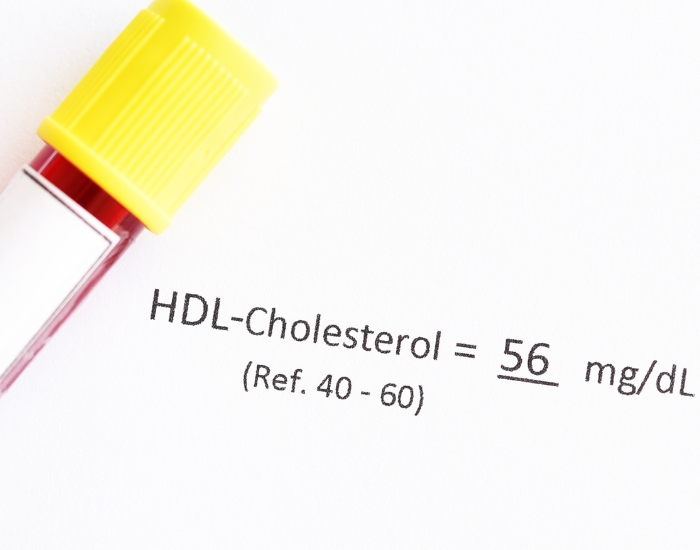
There’s a lot of focus on cholesterol these days, and understanding your cholesterol numbers is key to your heart health. The normal total cholesterol level should ideally be below 200 mg/dL, while LDL (bad cholesterol) should be under 100 mg/dL. On the other hand, a level of 60 mg/dL or higher for HDL (good cholesterol) is beneficial. Keeping these numbers in check can significantly lower your risk of heart disease, empowering you to take charge of your health.
What is Cholesterol?
Cholesterol is a waxy substance found in your blood, imperative for building cell membranes and producing hormones. Although your body needs cholesterol to function properly, an excess can lead to serious health issues, including heart disease. Cholesterol comes from two main sources: your body produces it naturally, and it is also obtained from dietary sources like meat and dairy products.

The Good vs. The Bad
Cholesterol is classified into two main categories: HDL (High-Density Lipoprotein) and LDL (Low-Density Lipoprotein). HDL is often termed the “good cholesterol” because it helps carry cholesterol away from the arteries and back to the liver, where it is flushed from your body. On the other side, LDL is known as “bad cholesterol” as it can lead to the buildup of plaque in your arteries, increasing the risk of heart attacks and strokes.
A healthy balance between these two types of cholesterol is vital. Ideally, you want to raise your HDL levels while keeping your LDL levels as low as possible. Regular exercise and a healthy diet can help you achieve this balance, ensuring your cardiovascular system remains as healthy as possible.
Understanding Cholesterol Types
Cholesterol is carried through your bloodstream by lipoproteins, which are made up of fat and protein. The two primary types you should be aware of are HDL and LDL. In addition, there’s another type called VLDL (Very Low-Density Lipoprotein), which mainly carries triglycerides. Monitoring these types and their levels can help you understand your overall heart health and risk factors.
LDL contributes to artery blockage, making it a target for lowering through lifestyle changes or medication if necessary. Conversely, higher levels of HDL are associated with a lower risk of heart disease. Your total cholesterol number should ideally be below 200 mg/dL, with HDL above 60 mg/dL and LDL below 130 mg/dL. After you know these numbers, you can actively manage your cholesterol levels.
| Type | Function |
|---|---|
| HDL | Removes cholesterol from arteries |
| LDL | Deposits cholesterol in arteries |
| VLDL | Transports triglycerides |
| Total Cholesterol | Sum of all cholesterol |
| Triglycerides | Type of fat in the blood |
- Cholesterol is imperative for your body
- HDL is known as the good cholesterol
- LDL is the bad cholesterol
- VLDL contributes to overall cholesterol
- After regular monitoring, you can make informed health decisions.
Understanding cholesterol types is not only about knowing which is good or bad but also how they interact with your body. Your liver produces LDL, while HDL helps transport excess cholesterol back to the liver for disposal. The balance between these lipoproteins plays a significant role in your health outcomes, impacting your risk for conditions such as atherosclerosis. After making lifestyle changes, regular check-ups can help track improvements or highlight the need for medical intervention.
| Type | Recommendation |
|---|---|
| HDL | Above 60 mg/dL is optimal |
| LDL | Below 130 mg/dL is ideal |
| Total Cholesterol | Below 200 mg/dL is healthy |
| Triglycerides | Below 150 mg/dL is normal |
| VLDL | Should be monitored in conjunction with LDL and HDL |
- Cholesterol levels can influence heart health
- Healthy diet can improve your cholesterol profile
- Regular exercise increases HDL levels
- Family history may affect your cholesterol
- After testing, you can gain insights into your cardiovascular health.
Normal Cholesterol Levels
Total Cholesterol
Your total cholesterol number is a key indicator of your heart health. Ideally, you want this number to be less than 200 mg/dL. When your total cholesterol is in this range, you generally have lower risk for heart disease. On the other hand, numbers between 200 mg/dL and 239 mg/dL signal borderline high cholesterol, while anything above 240 mg/dL is considered high. Regularly monitoring your total cholesterol can help you take proactive steps in managing your heart health.
LDL and HDL Levels
Your cholesterol profile also includes two important subtypes: Low-Density Lipoprotein (LDL) and High-Density Lipoprotein (HDL). For LDL, often referred to as “bad cholesterol,” optimal levels are less than 100 mg/dL. If your LDL levels hit 160 mg/dL or higher, your risk for heart disease increases significantly. Conversely, HDL, known as “good cholesterol,” should ideally be above 60 mg/dL. Higher levels of HDL are protective against heart disease, helping to clear LDL from your bloodstream.
Importance of Monitoring Cholesterol
Monitoring your cholesterol levels is not just about tracking a number; it’s a vital component of managing your overall heart health. Regular check-ups can help you understand how lifestyle changes, diet, and exercise are affecting your cholesterol. With accurate monitoring, you can proactively address any rising levels before they lead to serious health issues. Many individuals are unaware that they have high cholesterol until a routine blood test reveals concerns, making awareness crucial.
Health Risks of High Cholesterol
High cholesterol is a significant risk factor for cardiovascular diseases, including heart attack and stroke. When your cholesterol levels exceed normal ranges, it can lead to the buildup of plaque in your arteries. This plaque narrows your blood vessels and restricts blood flow, which can result in severe complications. According to the American Heart Association, nearly 1 in 3 adults have high cholesterol, putting millions at risk.
Additionally, high levels of LDL cholesterol, often referred to as “bad” cholesterol, can contribute to atherosclerosis, a condition that leads to hardened arteries. As a result, your heart is forced to work harder, increasing your blood pressure and ultimately leading to increased potential for heart disease. Understanding these risks emphasizes the importance of regular cholesterol monitoring.
Benefits of Maintaining Healthy Levels
Maintaining healthy cholesterol levels offers numerous benefits that extend beyond just heart health. Lower cholesterol levels often correlate with improved overall health, including reduced risks of diseases such as diabetes and hypertension. By keeping your cholesterol in check, you can enhance your energy levels, improve cognitive function, and promote a greater sense of well-being.
Furthermore, achieving and maintaining healthy cholesterol levels can greatly enhance your quality of life. Individuals who actively manage their cholesterol often experience greater confidence in their cardiovascular health, enabling them to engage in physical activities they enjoy without fear. Furthermore, you might notice improvements in your mood and vitality, which can positively affect every aspect of your daily life.
Factors Affecting Cholesterol Levels
Your cholesterol levels can be influenced by various factors that may be within your control and others that are not. Understanding these factors can help you make informed decisions about your health. The most significant impacts come from your diet, lifestyle choices, genetics, and underlying health conditions. Here’s a closer look:
- Diet
- Lifestyle Choices
- Genetics
- Underlying Health Conditions
After recognizing the various influencers, you can take proactive steps toward managing your cholesterol levels effectively.
Diet and Nutrition
The food you consume plays a central role in determining your cholesterol levels. Diets high in saturated fats, commonly found in red meat and full-fat dairy products, can raise your LDL (bad) cholesterol. On the other hand, incorporating healthy fats from sources such as avocados, nuts, and olive oil can support your HDL (good) cholesterol levels. Foods high in soluble fiber, like oats, beans, and fruits, can also help lower overall cholesterol. Additionally, keeping an eye on your sugar intake and processed foods can significantly contribute to your cholesterol health.
It’s also necessary to consider portion sizes and overall caloric intake. Overeating, even healthy foods, can lead to weight gain, which may negatively affect your cholesterol levels. Balancing your meals with an emphasis on whole, unprocessed foods will set a solid foundation for better cholesterol management.
Lifestyle Choices
Your everyday habits significantly impact your cholesterol numbers. Regular physical activity can enhance your HDL cholesterol while helping to reduce bad cholesterol levels. Aim for at least 150 minutes of moderate exercise weekly. Additionally, maintaining a healthy weight can help manage your cholesterol effectively. If you smoke, quitting can improve your HDL levels and benefit your overall cardiovascular health. Furthermore, managing stress through activities like yoga or meditation can contribute to better heart health.
Making small, incremental changes in your daily life can lead to substantial improvements. For instance, finding enjoyable ways to incorporate exercise into your routine can ensure that you stay consistent. Consuming less alcohol can also aid in regulating cholesterol levels. After making these decisions, you will likely notice changes in your health and feel empowered about your cholesterol management.
Tips for Maintaining Healthy Cholesterol
Maintaining healthy cholesterol levels is crucial for your overall heart health. You can proactively manage your cholesterol through lifestyle choices that promote a balanced state. Here are some practical tips:
- Eat a balanced diet rich in fruits, vegetables, and whole grains.
- Limit saturated and trans fats found in processed foods.
- Incorporate healthy fats like those found in olive oil, avocados, and nuts.
- Perform regular exercise to boost your cardiovascular system.
- Maintain a healthy weight through diet and activity.
The combination of these strategies will help you achieve and maintain optimal cholesterol levels.
Eating a Heart-Healthy Diet
A heart-healthy diet emphasizes whole foods and minimizes processed ingredients. Focus on incorporating plenty of fruits and vegetables into your meals, aiming for five servings each day. Foods high in fiber, such as oatmeal, beans, and whole-grain products, can help lower your cholesterol levels. Also, select lean protein sources, including fish, skinless poultry, and plant-based proteins like lentils and chickpeas, to support your heart health.
Be mindful of portion sizes and opt for cooking methods that require less fat, such as grilling or steaming. When you do use fats, choose monounsaturated and polyunsaturated options like olive oil or canola oil instead of butter or lard. This shift can lead to improved cholesterol levels and overall heart health.
Incorporating Physical Activity
Engaging in regular physical activity is another key component for maintaining healthy cholesterol. Aim for at least 150 minutes of moderate-intensity aerobic exercise each week, such as brisk walking or cycling. This not only helps raise your good cholesterol (HDL) but also assists in lowering your bad cholesterol (LDL) and triglycerides. You can break this down into manageable sessions, making it easier to incorporate into your daily routine.
In addition to aerobic activities, consider including strength training exercises at least twice a week. This combination can enhance your metabolism and contribute to better weight management. Incorporating activities you enjoy will make it easier to stay consistent, resulting in long-term health benefits.
Participating in community sports, joining a dance class, or simply walking the dog can keep your journey enjoyable and effective. The consistent effort in staying active will significantly impact your cholesterol and overall heart health.
When to Get Tested
Recommended Frequency of Cholesterol Checks
You should get your cholesterol checked regularly to stay informed about your heart health. The American Heart Association recommends that adults aged 20 and older have their cholesterol levels checked every four to six years, provided you are not at elevated risk for heart disease. If you have risk factors such as obesity, high blood pressure, diabetes, or a history of heart disease in your family, more frequent testing may be necessary, sometimes annually.
For individuals diagnosed with high cholesterol or those taking medication to manage their levels, it’s typically advised to undergo testing more often. Your healthcare provider can determine a suitable schedule based on your specific situation, keeping track of how lifestyle changes or medications impact your cholesterol numbers.
Understanding Your Test Results
After testing, understanding your cholesterol levels is imperative. A typical lipid panel includes measurements for total cholesterol, LDL (low-density lipoprotein), HDL (high-density lipoprotein), and triglycerides. Each of these components plays a role in assessing your risk for heart disease. For instance, a total cholesterol level less than 200 mg/dL is considered desirable, whereas levels above 240 mg/dL are high and may require action to lower them.
Your LDL level, often referred to as “bad cholesterol,” should ideally be less than 100 mg/dL. In contrast, HDL, the “good cholesterol,” should be 60 mg/dL or higher for optimal heart health. Understanding these numbers can empower you to make necessary lifestyle changes or discuss treatment options with your healthcare provider.
It is also important to interpret triglyceride levels, particularly if they are 150 mg/dL or higher, as they can increase your risk for heart disease. Elevated triglycerides alongside low HDL and high LDL levels significantly escalate cardiovascular risk. Discussing these results with your doctor will help you formulate a personalized plan to manage your cholesterol.
Summing up
Following this, it’s imperative for you to understand what normal cholesterol numbers mean for your health. Generally, a total cholesterol level of less than 200 mg/dL is considered desirable, while levels between 200-239 mg/dL are borderline high. It’s also important for you to keep an eye on your LDL (bad cholesterol) and HDL (good cholesterol) levels, with optimal LDL levels being below 100 mg/dL and HDL levels above 60 mg/dL being ideal for heart health.
By being aware of these figures, you can take proactive steps to manage your cholesterol. Regular check-ups with your healthcare provider can help track your cholesterol levels and determine the best course of action for your overall wellbeing. Keeping a balanced diet, staying active, and avoiding smoking can significantly contribute to maintaining healthy cholesterol numbers.
FAQ
Q: What are the normal total cholesterol levels?
A: Normal total cholesterol levels are typically less than 200 mg/dL. Levels between 200-239 mg/dL are borderline high, while levels of 240 mg/dL and above are considered high.
Q: What is considered a healthy LDL cholesterol level?
A: A healthy LDL (low-density lipoprotein) cholesterol level is less than 100 mg/dL. Levels between 100-129 mg/dL are near optimal, 130-159 mg/dL are borderline high, and 160 mg/dL and above are considered high.
Q: What is the ideal HDL cholesterol level?
A: An ideal HDL (high-density lipoprotein) cholesterol level is 60 mg/dL or higher. Levels less than 40 mg/dL are considered a risk factor for heart disease.
Q: What should the triglyceride levels be?
A: Normal triglyceride levels should be less than 150 mg/dL. Levels from 150-199 mg/dL are borderline high, 200-499 mg/dL are high, and levels of 500 mg/dL and above are very high.
Q: How often should cholesterol levels be checked?
A: Cholesterol levels should be checked at least every 4 to 6 years for adults, and more frequently for individuals with risk factors for heart disease or elevated cholesterol levels.