



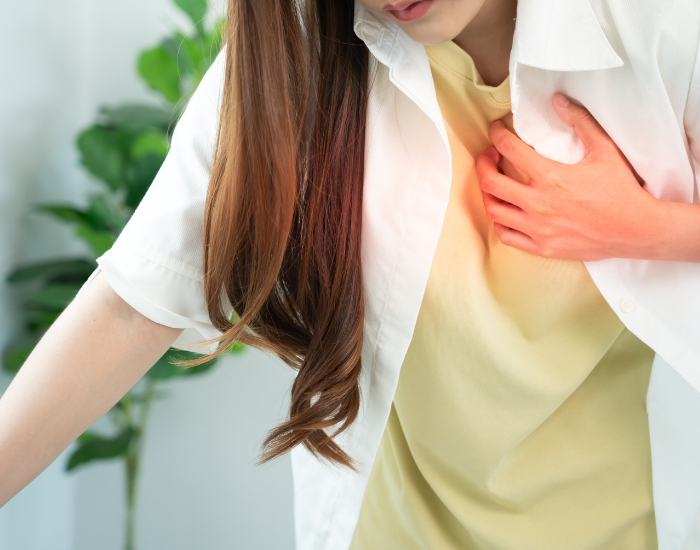



A heart attack can be a life-changing event, but recognizing the early warning signs can make all the difference. Many people associate heart attacks with sudden, severe chest pain, yet the symptoms often start subtly and can vary from person to person. Understanding how a heart attack feels, especially the early indicators, can help you act quickly and potentially save your life or someone else’s.
What Happens During a Heart Attack
A heart attack, medically called a myocardial infarction, occurs when blood flow to a part of the heart is blocked, usually due to a clot in the coronary arteries. Without immediate treatment, the affected heart muscle can become damaged or die. This is why recognizing early warning signs and seeking prompt care is crucial.
Heart attacks are most commonly caused by coronary artery disease. Early intervention through coronary artery disease treatment can prevent progression and reduce the risk of serious complications.
Early Warning Signs
Chest Pressure or Discomfort
The most recognizable symptom of a heart attack is chest discomfort, but it may not always feel like intense pain. People often describe it as:
- Pressure or tightness
- Heaviness
- Burning or squeezing sensation
This discomfort can be constant or intermittent and may last for several minutes. Unlike heartburn or indigestion, heart-related chest pressure often worsens with activity and does not fully resolve with rest.
Pain Spreading to Arm, Neck, or Jaw
During a heart attack, pain can radiate beyond the chest. Common areas include:
- Left arm
- Shoulder
- Neck
- Jaw
- Back
This spreading pain occurs because nerves from the heart share pathways with other parts of the body, confusing the brain’s pain signals. Women are particularly likely to experience atypical symptoms such as jaw or neck pain rather than classic chest pain.
Nausea, Sweating, and Cold Clammy Skin
Many heart attack patients report feeling:
- Nauseated or vomiting
- Sudden cold sweat
- Lightheadedness or dizziness
These symptoms result from the body’s stress response to reduced blood flow. They often accompany chest discomfort and should never be ignored, even if the pain is mild.
Shortness of Breath
Shortness of breath can occur with or without chest discomfort. During a heart attack, the heart struggles to pump blood efficiently, causing fluid to back up in the lungs and reducing oxygen delivery to the body. This can make simple activities like walking or climbing stairs feel unexpectedly difficult.
Fatigue and Weakness
Unexplained fatigue or weakness, especially during activities that were previously easy, can be an early warning sign. Some people experience profound exhaustion even before any chest pain appears. Women are more likely to report fatigue as a primary symptom of heart attack.
Why Early Treatment Matters
Prompt treatment during a heart attack is critical. The sooner blood flow is restored to the heart, the less damage occurs to the heart muscle. Early intervention reduces the risk of:
- Heart failure
- Life-threatening arrhythmias
- Long-term heart damage
- Death
Treatments may include medications, minimally invasive procedures, or surgery, depending on the severity and location of the blockage.
When to Seek Medical Help
If you experience any combination of the warning signs above, it’s essential to call emergency services immediately. Do not wait to see if symptoms go away. Quick action can save your life.
For those with known risk factors, such as high blood pressure, diabetes, or a family history of heart disease, routine evaluations with a cardiologist in Houston can help detect issues before they escalate.
Consulting a Heart Specialist
Heart attacks and their warning signs are serious medical concerns that require expert care. Consulting a qualified heart specialist in Cypress TX ensures accurate diagnosis, effective treatment, and ongoing monitoring to prevent future events. Specialists can also guide patients in lifestyle modifications, medication management, and personalized preventive strategies.
Prevention and Risk Reduction
Preventive measures help reduce the likelihood of heart attacks:
- Maintain a heart-healthy diet rich in fruits, vegetables, and lean proteins
- Exercise regularly
- Avoid smoking and limit alcohol intake
- Manage blood pressure, cholesterol, and diabetes
- Reduce stress through mindfulness or relaxation techniques
Regular checkups with a cardiologist allow for early detection of heart disease and timely intervention, improving long-term heart health.
Medical Disclaimer: This content is intended for educational purposes only and does not replace professional medical advice, diagnosis, or treatment. If you experience any symptoms of a heart attack or believe you may be at risk, seek immediate medical attention or consult a qualified healthcare professional. Always speak with your physician before making changes to your health routine.