Varicose veins are a common condition affecting millions of adults worldwide. While many people consider them primarily a cosmetic issue, these veins can signal underlying venous insufficiency and lead to discomfort, pain, swelling, and skin changes. Knowing when to consult a vein specialist is crucial to prevent complications, relieve symptoms, and maintain healthy circulation. This guide explains the key signs, symptoms, risk factors, and treatment options, helping you determine when professional care is necessary.
1. What Are Varicose Veins?
Varicose veins are enlarged, twisted veins that commonly appear in the legs. They occur when the one-way valves inside the veins weaken or fail, allowing blood to pool in the lower extremities. This leads to visible bulging veins, discomfort, and other potential complications. Varicose veins are a type of chronic venous insufficiency and can affect both men and women, although women are more frequently impacted due to hormonal factors.
2. Common Symptoms of Varicose Veins
Varicose veins may present with a range of symptoms, from mild to severe. Common signs include:
- Visible, twisted, or bulging veins
- Leg pain, aching, or heaviness
- Swelling in the ankles or lower legs
- Itching or burning sensations around affected veins
- Skin discoloration, dryness, or thickening near the ankles
- Cramping or restless legs, especially at night
Symptoms often worsen after long periods of standing or sitting and may improve with leg elevation or exercise.
3. Cosmetic Concerns vs. Medical Concerns
While many people initially seek care for cosmetic reasons, varicose veins can also indicate medical issues. Cosmetic concerns include visible bulging veins that may affect confidence. Medical concerns arise when veins cause discomfort, swelling, or skin changes. Consulting a vein doctor is important not only for symptom relief but also to prevent serious complications such as venous ulcers, blood clots, or chronic inflammation.
4. Signs It’s Time to See a Vein Doctor
Several signs indicate that it is time to consult a vein specialist:
- Persistent Pain or Heaviness: Aching, throbbing, or cramping in the legs that worsens with standing
- Swelling: Noticeable swelling in the ankles or feet
- Skin Changes: Discoloration, dryness, thickening, or itching around veins
- Bulging Veins: Visible, twisted, or enlarged veins that are uncomfortable or worsening
- Ulcers or Open Sores: Non-healing wounds near the ankles or lower legs
- Recurring Leg Fatigue: Legs feel heavy, tired, or restless after activity
Even if symptoms are mild, early evaluation can prevent progression and improve treatment outcomes.
5. Risk Factors That Warrant Early Evaluation
Certain factors increase the likelihood of developing problematic varicose veins, making early evaluation by a vein doctor advisable:
- Age: Vein walls weaken with age, increasing risk
- Gender: Women are more prone due to hormonal influences
- Family History: Genetics can predispose individuals to varicose veins
- Obesity: Excess weight adds pressure to leg veins
- Prolonged Standing or Sitting: Occupations or lifestyles involving long periods upright
- Pregnancy: Hormonal changes and increased blood volume contribute to vein issues
If you have multiple risk factors, it’s wise to monitor your legs regularly and consult a specialist if symptoms arise.
6. How Vein Specialists Diagnose Varicose Veins
Vein specialists diagnose varicose veins using a combination of physical examination, patient history, and diagnostic testing. During a physical exam, the doctor evaluates the legs for visible veins, swelling, and any changes in the skin. A detailed patient history provides insight into the duration and severity of symptoms as well as any underlying risk factors. Diagnostic tests, such as duplex ultrasound, are often used to assess blood flow and identify valve dysfunction in the veins. In rare cases, venography—advanced imaging using contrast—may be performed to visualize vein structure. This comprehensive evaluation allows the specialist to create a personalized treatment plan tailored to the severity and underlying causes of the varicose veins.
7. When Emergency Care Is Needed
While most varicose veins are not medical emergencies, certain symptoms require prompt attention. These include sudden or severe leg pain or swelling, redness, warmth, or tenderness, which may indicate a blood clot, non-healing ulcers or open wounds, and rapid changes in skin color or sudden swelling. Seeking timely medical care is crucial to prevent serious complications such as deep vein thrombosis (DVT) or infection, ensuring safer management and better outcomes.
8. Treatment and Management Options
Treatment for varicose veins depends on symptom severity, vein health, and patient preferences. Conservative measures often form the first line of treatment and include wearing compression stockings to improve circulation, elevating the legs to reduce venous pressure, avoiding prolonged standing or sitting, and engaging in regular exercise to strengthen leg muscles.
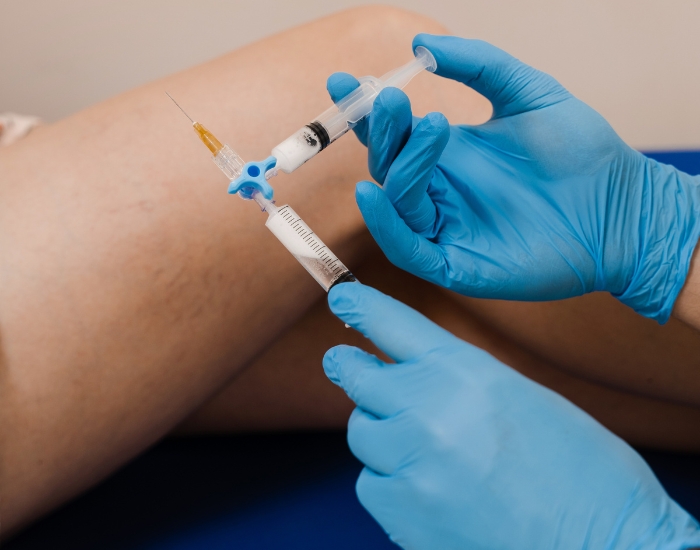
For more severe cases, medical procedures may be recommended. Sclerotherapy involves injecting a solution to close problematic veins, while Endovenous Laser Therapy (EVLT) is a minimally invasive laser procedure used to seal diseased veins. In advanced situations, surgical options such as vein stripping or ligation may be necessary. The goal of treatment is to relieve discomfort, prevent complications, improve circulation, and address cosmetic concerns. Early intervention often leads to faster recovery and better long-term outcomes.
9. Preventing Varicose Vein Progression
Lifestyle and preventive measures can help slow the progression of varicose veins:
- Maintain a healthy weight to reduce strain on leg veins
- Exercise regularly, especially walking or leg-strengthening activities
- Avoid prolonged standing or sitting
- Elevate legs periodically to improve circulation
- Wear compression stockings if recommended by a healthcare provider
These habits support vein health, reduce symptoms, and may limit the need for invasive treatments.
10. Final Thoughts
Knowing when to see a vein doctor is crucial for maintaining healthy circulation and preventing complications associated with varicose veins. Early evaluation and treatment not only relieve discomfort but also reduce the risk of swelling, skin changes, ulcers, and blood clots. Monitoring symptoms, understanding risk factors, and seeking professional care ensure better long-term leg health and improved quality of life.
If you have varicose veins or notice symptoms such as leg pain, swelling, or skin changes, consult the specialists at Cypress Cardiovascular Institute. Our team provides thorough vein evaluations and personalized treatment plans to improve circulation, relieve discomfort, and protect long-term vein health.
Disclaimer: This article is for educational purposes only and does not replace professional medical advice, diagnosis, or treatment. Always consult a qualified healthcare provider for personalized care, especially if symptoms are severe or persistent.