 Same-Day Appointments Available
 Most Major Insurance Accepted
 Medicare & Medicaid Accepted
Same-Day Appointments Available
Most Major Insurance Accepted
Medicare & Medicaid Accepted
Medicare & Medicaid Accepted
Same-Day Appointments Available
Most Major Insurance Accepted
Medicare & Medicaid Accepted
Home › Heart Care › Coronary Artery Disease
Heart Care · Cypress, TX
Coronary artery disease (CAD) is the narrowing of the arteries that supply blood to the heart, usually caused by plaque buildup. At Cypress Cardiovascular Institute, board-certified interventional cardiologists led by Dr. Jad Daye, MD diagnose and treat CAD, from risk-factor management and medication to cardiac catheterization, angioplasty and stenting, for patients in Cypress and northwest Houston.
✓ Board-certified cardiologists
✓ Same-day appointments available
✓ Medicare, Medicaid & most insurance
Last updated: September 25, 2026 · Cypress Cardiovascular Institute
Understanding CAD
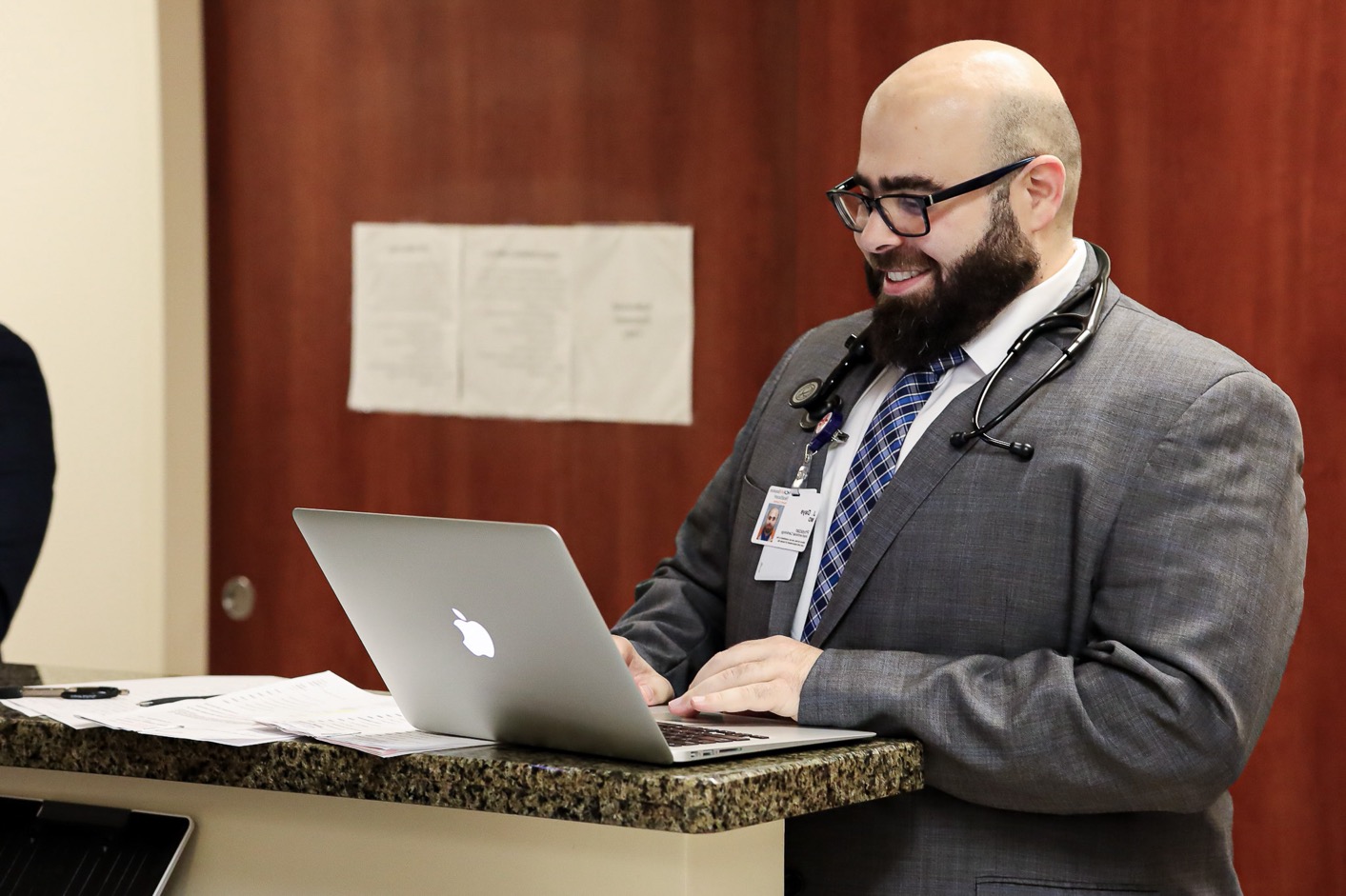
Coronary artery disease is the most common type of heart disease in the United States. It develops when plaque, made of cholesterol, fat and other substances, builds up inside the coronary arteries. This buildup, called atherosclerosis, narrows the arteries and can reduce the oxygen-rich blood that reaches the heart muscle.
Reduced blood flow can cause chest pain (angina) or shortness of breath. If a plaque ruptures and a blood clot blocks an artery, it can cause a heart attack. CAD often develops over many years, and some people have no symptoms until they have a heart attack, which is why checking your risk factors matters.
Symptoms
Coronary artery disease symptoms often appear during physical activity or emotional stress, when the heart needs more oxygen. Some people, especially women, older adults and people with diabetes, have subtle or atypical symptoms.
Tightness, squeezing or heaviness in the chest that may spread to the shoulders, arms, neck, jaw or back, often brought on by exertion.
Breathlessness during activities you could previously do comfortably can be a sign that the heart is not getting enough blood.
Tiredness or lower exercise tolerance, which is sometimes the main symptom in women and older adults.
Pain in the jaw, neck, upper back or arm can come from the heart even when there is no chest pain.
Cold sweats, nausea or dizziness, especially together with chest discomfort, can signal reduced blood flow to the heart.
For some people, the first sign of coronary artery disease is a heart attack. Symptoms that last more than a few minutes need emergency care.
Call 911 if you have chest pain or pressure that lasts more than a few minutes, goes away and comes back, or occurs with shortness of breath, sweating, nausea or lightheadedness. Do not drive yourself to the hospital.
Causes & Risk Factors
Coronary artery disease is caused by atherosclerosis, the gradual buildup of plaque in artery walls. Several risk factors speed up that process. Some can be changed with lifestyle and treatment; others, such as age and family history, cannot. A cardiologist can assess your individual risk and recommend testing when it is needed.
Diagnosis
Diagnosis starts with a cardiology visit. Your cardiologist reviews your symptoms, medical history and risk factors, checks your blood pressure and heart rhythm, and then orders the tests that fit your situation. Many of these tests are available at our Cypress offices and imaging center.
Records the heart’s electrical activity to look for signs of reduced blood flow, a previous heart attack or rhythm problems.
An ultrasound of the heart that shows how well the heart muscle and valves are pumping.
Monitors your heart while you exercise to see whether symptoms or EKG changes appear when the heart works harder.
Imaging with a small amount of tracer shows how well blood reaches the heart muscle at rest and under stress.
A CT scan with contrast dye that creates detailed images of the coronary arteries and plaque.
Coronary angiography uses contrast dye and X-ray imaging to show exactly where arteries are narrowed. FFR, IVUS or OCT may be used to measure a blockage.
Learn more about each test on our Diagnostic & Imaging Services page.
Treatment Options
Coronary artery disease treatment aims to relieve symptoms, slow plaque buildup and lower the risk of a heart attack. Most patients start with lifestyle changes and medication. When an artery is severely narrowed or symptoms continue, a minimally invasive catheter-based procedure may be recommended.
Treatment decisions are individualized. This table is educational and does not replace a consultation with your cardiologist.
What to Expect
01
Call (281) 955-9158 or request an appointment online. Same-day appointments are often available.
02
Your cardiologist reviews your symptoms, history, medications and risk factors and performs a cardiac physical exam.
03
You may have an EKG, echocardiogram, stress test or imaging, often at our Cypress offices or imaging center.
04
Your plan may include medication, lifestyle changes, a catheter-based procedure and follow-up visits to track your progress.
Your Care Team
Coronary artery disease care at Cypress Cardiovascular Institute is provided by board-certified interventional cardiologists who perform cardiac catheterization, angioplasty and stenting. Cardiac nurse practitioner Marisa Cueva, NP-C, supports care for Dr. Daye’s and Dr. Hust’s patients.
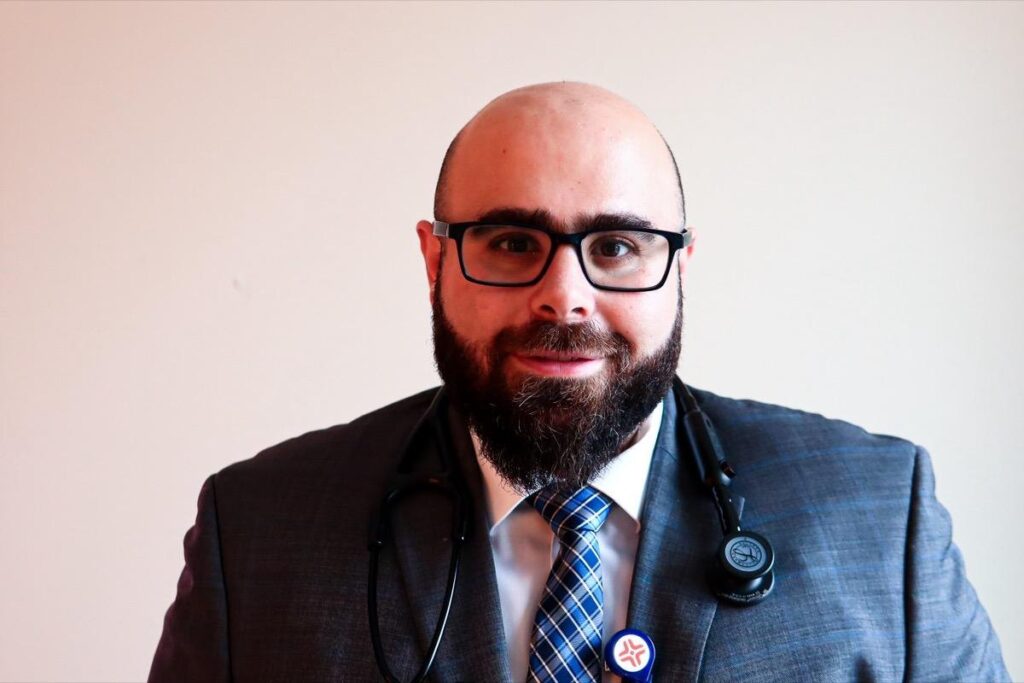
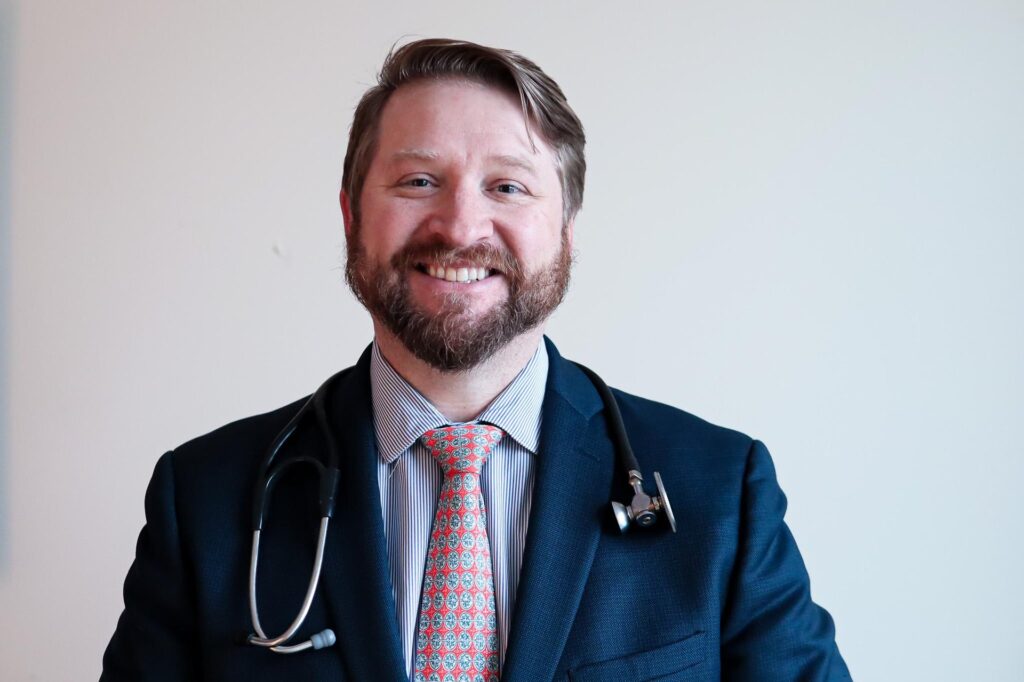
President, Interventional Cardiologist
Board-certified interventional cardiologist with expertise in coronary, structural and peripheral interventions. President of Cypress Cardiovascular Institute and Associate Professor at the University of Houston School of Medicine.
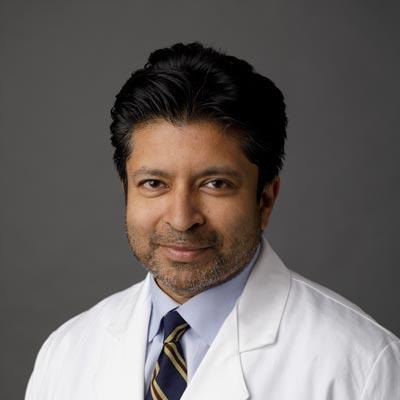
Interventional Cardiologist
Board-certified in internal medicine, cardiovascular disease and interventional cardiology, caring for patients in Cypress and surrounding areas.
Interventional Cardiologist
Board-certified cardiologist with expertise in cardiovascular conditions including hypertension and chest pain, with a patient-centered approach to treatment.

Interventional & Structural Cardiologist
Specializes in coronary and structural heart disease, including PCI, TAVR and PFO closure. Trained at Baylor College of Medicine.
Locations, Hours & Insurance
Cypress Cardiovascular Institute sees patients Monday through Friday, 8:00 AM to 5:00 PM, at two offices and an imaging center serving Cypress, northwest Houston, Tomball, Spring, Katy and nearby communities such as Bridgeland, Towne Lake and Fairfield.
24518 Northwest Fwy, Suite 325
Cypress, TX 77429
(281) 955-9158
Get directions
10425 Huffmeister Rd, Suite 330
Houston, TX 77065
(281) 955-8818
Get directions
24518 Northwest Fwy, Suite 345
Cypress, TX 77429
(281) 955-9158
Get directions
Insurance: Cypress Cardiovascular Institute accepts Medicare, Medicaid and most major insurance plans. Coverage for specific tests and procedures depends on your plan, and our team can help you check your benefits before your visit. Insurance information
Frequently Asked Questions
A cardiologist diagnoses and manages coronary artery disease. An interventional cardiologist, like the physicians at Cypress Cardiovascular Institute, can also perform catheter-based procedures such as coronary angiography, angioplasty and stenting to open narrowed arteries.
Plaque that has already formed usually cannot be fully removed, but coronary artery disease can often be controlled. Medication, lifestyle changes and procedures can relieve symptoms, slow plaque buildup and lower the risk of a heart attack.
No. Chest pain has many possible causes, including muscle, lung and digestive problems. Because chest pain can also signal reduced blood flow to the heart, it should be evaluated promptly. Call 911 for severe or persistent chest pain.
Recovery depends on how many arteries are treated and whether the procedure was planned or done during a heart attack. Many patients go home the same day or after an overnight stay. Your cardiologist will explain activity limits and follow-up for your specific case.
Many patients can schedule directly with Cypress Cardiovascular Institute. Some insurance plans, especially HMOs, require a referral. Call (281) 955-9158 and our team will check your coverage.
Cypress Cardiovascular Institute accepts Medicare, Medicaid and most major insurance plans. Medically necessary cardiology visits, testing and procedures are usually covered, but copays and prior-authorization rules vary by plan, so we recommend verifying your benefits.
This page is for general education and is not a substitute for personal medical advice. Content provided by Cypress Cardiovascular Institute, Cypress, TX.
Same-Day Appointments Available
Same-day appointments are often available at our Cypress offices. Call (281) 955-9158 or request an appointment online.
Now Accepting New Patients
Same-day appointments available. Fill out the short form and our team will contact you to confirm your visit.
Drive Now
Tap “Get Directions” to open turn-by-turn navigation in Google Maps.

24518 Northwest Fwy, Ste 325
Cypress, TX 77429
10425 Huffmeister Rd, Ste 330
Houston, TX 77065
24518 Northwest Fwy, Ste 345
Cypress, TX 77429