


Home › Locations Served › Houston, TX › Varicose Vein Treatment
Vein Clinic · Houston, TX
Varicose Vein Treatment in Houston, TX
Advanced Vein Care for Patients from Houston, Cypress, Spring & Tomball
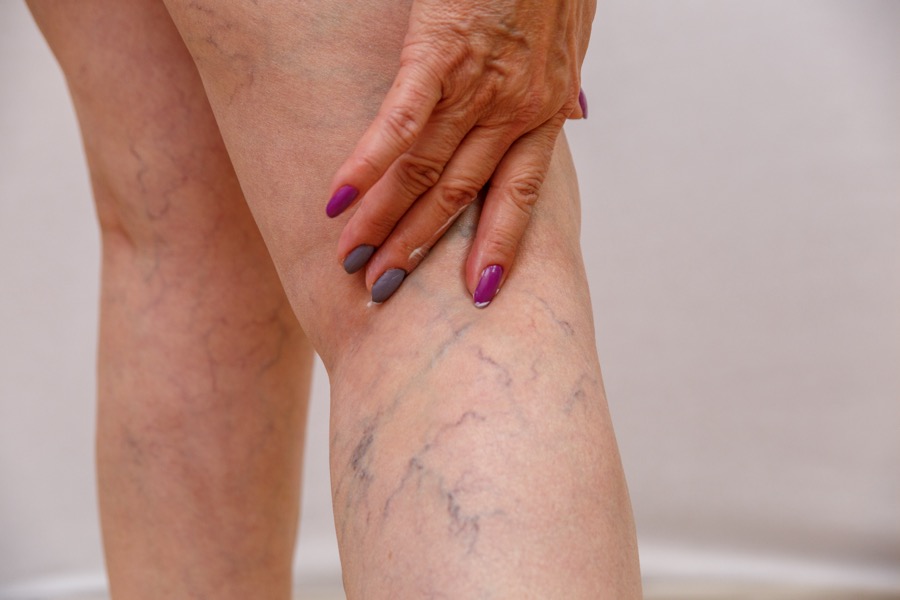
Varicose veins are more than a cosmetic concern for many people. Enlarged or bulging leg veins can occur along with aching, heaviness, swelling, throbbing, cramping, itching, skin discoloration or tired legs—especially after standing or sitting for long periods.
✓ Houston office on Huffmeister Rd
✓ Minimally invasive options
✓ Serving Cypress, Spring & Tomball
Our Houston Vein Care
At Cypress Cardiovascular Institute, our cardiovascular team provides evaluation and treatment for varicose veins, spider veins, venous reflux and chronic venous insufficiency in Houston, TX, with convenient access for patients from Cypress, Spring, Tomball and surrounding Northwest Houston communities.
Treatment begins with understanding the cause of your symptoms and identifying which veins are affected. When clinically appropriate, minimally invasive treatment options may include VenaSeal™, ClosureFast™ radiofrequency ablation, foam sclerotherapy and liquid sclerotherapy.
Patients can receive vein evaluation and cardiovascular care at our Houston office:
Cypress Cardiovascular Institute – Houston
10425 Huffmeister Rd, Suite 330
Houston, TX 77065
Conveniently serving patients from Houston, Cypress, Spring, Tomball, Jersey Village, Willowbrook, Champions and nearby Northwest Houston areas.
Schedule a Vein Evaluation →Serving Northwest Houston
Varicose Vein Care Near Cypress, Spring and Tomball
Patients searching for a varicose vein doctor near Cypress, Spring or Tomball may not need to travel far for evaluation and treatment.
Our Houston office is positioned to provide cardiovascular and vein care for patients throughout Northwest Houston and surrounding communities.
Patients frequently seek vein evaluation for symptoms such as:
- Painful or bulging leg veins
- Leg heaviness
- Aching legs after standing
- Ankle or lower-leg swelling
- Spider veins
- Burning or itching around veins
- Nighttime leg cramps
- Tired legs
- Skin discoloration near the ankles
- Symptoms that worsen after work or prolonged standing
If you live in Cypress, Spring, Tomball or Northwest Houston and are experiencing these symptoms, a vein evaluation can help determine whether they are related to varicose veins, venous reflux or chronic venous insufficiency.
Understanding Varicose Veins
Are Your Leg Symptoms Caused by Varicose Veins?
Varicose veins develop when veins near the surface of the legs become enlarged, twisted or bulging. In many patients, this occurs because valves inside the veins are not functioning properly.
Healthy leg veins contain one-way valves that help blood travel back toward the heart. When these valves weaken or stop closing properly, blood can flow backward and collect inside the vein. This is called venous reflux.
Over time, increased pressure inside the vein can cause it to stretch and become visibly enlarged.
Varicose veins may be associated with:
- Bulging or rope-like veins
- Blue, purple or enlarged leg veins
- Aching or throbbing legs
- Leg heaviness
- Tired legs
- Burning or itching around veins
- Leg or ankle swelling
- Nighttime leg cramps
- Restless or uncomfortable legs
- Symptoms that worsen after prolonged standing
- Skin discoloration near the ankle
- Dry, irritated or itchy skin
- Slow-healing sores or venous ulcers in advanced disease
Not everyone with visible veins has significant venous disease, and not every person with venous reflux has dramatic bulging veins. A clinical evaluation can help determine what is causing your symptoms.
When to Get Evaluated
When Should You See a Vein Doctor for Varicose Veins?
Consider scheduling a vein evaluation if your varicose veins are painful, worsening or interfering with everyday activities.
You may benefit from an evaluation if you experience:
- Persistent aching or heaviness in your legs
- Leg swelling that becomes worse later in the day
- Pain after standing or sitting for long periods
- Enlarging or increasingly visible varicose veins
- Burning, itching or tenderness around a vein
- Recurrent nighttime leg cramps
- Skin color or texture changes around the ankle
- A history of venous ulcers
- Recurrent varicose veins after previous treatment
- Concern about whether visible veins are cosmetic or medically significant
For patients in Cypress, Spring and Tomball, these symptoms can often be evaluated at our nearby Houston cardiovascular and vein-care location.
Early evaluation can help determine whether symptoms are related to venous reflux, chronic venous insufficiency or another vascular condition.
Know the Difference
Varicose Veins vs. Spider Veins vs. Chronic Venous Insufficiency
Although these conditions are related, they are not exactly the same.
Spider Veins
Spider veins are small red, blue or purple blood vessels visible near the surface of the skin. They commonly appear as thin branching lines.Spider veins may be primarily cosmetic, although some patients can also have underlying venous reflux.
Depending on the evaluation, sclerotherapy may be considered for certain spider veins.
Varicose Veins
Varicose veins are generally larger than spider veins and may appear twisted, raised, rope-like or bulging.They can cause symptoms including:
- Aching
- Heaviness
- Swelling
- Burning
- Throbbing
- Cramping
- Itching
Chronic Venous Insufficiency
Chronic venous insufficiency, or CVI, occurs when leg veins have difficulty returning blood efficiently toward the heart.Symptoms can include:
- Persistent swelling
- Leg heaviness
- Aching
- Skin discoloration
- Skin inflammation
- Thickening of the skin
- Venous ulcers
An evaluation can help distinguish simple visible veins from more significant venous disease.
Your First Visit
How We Evaluate Varicose Veins in Houston
Successful treatment starts with determining what is actually causing the problem.
Whether you are coming from Houston, Cypress, Spring or Tomball, the goal of your first evaluation is to understand your symptoms and identify the underlying venous problem before recommending treatment. A vein evaluation may include several steps.
01
Medical History and Symptom Review
Your physician will discuss your symptoms, previous vein problems, family history and other factors that could affect circulation.You may be asked whether your symptoms become worse:
- After standing
- At the end of the day
- During pregnancy
- After prolonged sitting
- During work that requires long periods on your feet
02
Leg Examination
Your physician can examine the pattern of visible veins as well as swelling, skin changes or other evidence of venous disease.03
Venous Duplex Ultrasound
When indicated, duplex ultrasound can help evaluate blood flow through the veins and determine whether abnormal backward flow—or venous reflux—is present.Ultrasound can also help identify which veins may be contributing to symptoms.
04
Personalized Treatment Planning
Your treatment recommendation should be based on:- Your symptoms
- Physical examination
- Ultrasound findings when appropriate
- Which veins are affected
- Severity of venous reflux
- Previous treatment history
- Your overall health
There is no single varicose-vein procedure that is right for every patient.
Treatment Options
Varicose Vein Treatment Options in Houston
Treatment depends on the location and size of the affected veins, the presence of venous reflux, symptoms and ultrasound findings.
At Cypress Cardiovascular Institute, patients from Houston, Cypress, Spring, Tomball and nearby communities may be evaluated for several minimally invasive treatment options when medically appropriate.
VenaSeal™ Vein Treatment
VenaSeal™ is a minimally invasive treatment that uses a medical adhesive to close certain abnormal superficial veins.A small catheter is placed inside the affected vein. Medical adhesive is then delivered to seal the vein. Once the diseased vein is closed, blood naturally redirects through healthier veins.
VenaSeal may be considered for:
- Selected patients with superficial venous reflux
- Certain symptomatic varicose veins
- Patients whose ultrasound identifies an appropriate refluxing vein
ClosureFast™ Radiofrequency Vein Ablation
ClosureFast™ radiofrequency ablation, often called RFA, treats certain refluxing veins using controlled radiofrequency energy.A thin catheter is inserted into the abnormal vein. Radiofrequency energy heats the vein wall, causing the vein to close. Blood is then redirected through healthier veins.
RFA is generally performed through a small catheter rather than traditional surgical vein stripping.
Patients should be evaluated individually to determine whether radiofrequency ablation is appropriate for their venous anatomy and symptoms.
Foam Sclerotherapy for Varicose Veins
Foam sclerotherapy involves injecting a specially prepared medication into selected abnormal veins.The medication irritates the inside of the treated vein, causing it to close over time. Blood then redirects through other veins.
Foam sclerotherapy may be useful for certain:
- Varicose veins
- Branch veins
- Residual veins after another treatment
- Veins that are not best treated with a thermal or adhesive procedure
Liquid Sclerotherapy for Spider Veins
Liquid sclerotherapy may be used for selected smaller surface veins and spider veins.A solution is injected directly into targeted veins, causing them to gradually close and fade.
Not every visible vein should automatically be treated cosmetically. If a patient has significant symptoms or larger varicose veins, an evaluation for underlying reflux may be appropriate first.
Conservative Treatment for Varicose Veins
Not every patient requires a vein procedure. Depending on your symptoms and medical condition, conservative measures may include:- Regular walking
- Avoiding prolonged sitting
- Avoiding prolonged standing when possible
- Periodically elevating the legs
- Maintaining a healthy body weight
- Exercise
- Compression stockings when appropriate
Your physician can discuss whether conservative management or an intervention is more appropriate for your condition.
Choosing a Treatment
Which Varicose Vein Treatment Is Best?
There is no single best treatment for every person with varicose veins. The most appropriate treatment depends on:- Which vein is abnormal
- Whether venous reflux is present
- Vein diameter
- Location of the diseased vein
- Your symptoms
- Previous vein treatment
- Medical history
- Ultrasound findings
The purpose of a vein evaluation is to determine the cause of the problem before recommending treatment.
The Underlying Cause
What Is Venous Reflux?
Venous reflux occurs when valves inside a vein do not close normally.Instead of consistently carrying blood upward toward the heart, some blood travels backward and collects in the leg. This additional pressure can contribute to:
- Varicose veins
- Leg swelling
- Aching
- Heaviness
- Skin changes
- Chronic venous insufficiency
Learn more about chronic venous insufficiency →
Living With Varicose Veins
Common Questions About Varicose Veins
Are Varicose Veins Only a Cosmetic Problem?
No. Some varicose veins are mainly a cosmetic concern, but others are associated with underlying venous reflux and can produce significant symptoms. Patients may experience:- Pain
- Swelling
- Heaviness
- Itching
- Skin irritation
- Inflammation
- Changes in skin color
Can Varicose Veins Cause Leg Swelling?
Yes. Varicose veins and chronic venous insufficiency can be associated with leg and ankle swelling, particularly when venous reflux allows blood to pool in the lower legs.However, swelling can have many causes, including heart, kidney, lymphatic and other vascular conditions. Persistent or unexplained leg swelling should therefore be medically evaluated rather than automatically attributed to varicose veins.
Can Standing All Day Make Varicose Veins Worse?
Long periods of standing can make symptoms associated with venous disease more noticeable. Some patients report increased:- Leg aching
- Heaviness
- Swelling
- Throbbing
Can Sitting for Long Periods Affect Varicose Veins?
Prolonged sitting can also reduce the normal movement of blood through the legs.Regular movement and walking activate the calf muscles, which help support venous circulation. If you spend many hours sitting for work or travel, periodically standing and walking may help reduce prolonged immobility.
Can Pregnancy Cause Varicose Veins?
Pregnancy can contribute to the development or worsening of varicose veins. Changes in hormones, blood volume and pressure within the abdomen can affect venous circulation.Some pregnancy-related varicose veins improve after delivery, while others remain. Patients considering vein treatment after pregnancy should receive an individualized evaluation to determine whether reflux or persistent abnormal veins are present.
Can Varicose Veins Cause Skin Discoloration?
Long-standing venous disease can sometimes cause changes in the skin, particularly around the lower leg and ankle. Possible changes include:- Brownish discoloration
- Red or inflamed skin
- Dry or itchy skin
- Thickened skin
- Slow-healing wounds
What Happens After a Varicose Vein Is Closed?
When an abnormal superficial vein is successfully closed, blood reroutes through healthier veins. The body does not depend on a refluxing superficial vein for normal circulation.Your physician evaluates the venous system before recommending treatment to make sure the proposed procedure is appropriate.
How Long Does Recovery Take After Varicose Vein Treatment?
Recovery varies depending on the procedure performed and the patient's medical condition. Many modern vein procedures are minimally invasive and are performed without the large incisions associated with traditional vein surgery.Patients often return to normal daily activities relatively quickly, but your physician will give you specific instructions based on your procedure. You may receive guidance regarding:
- Walking
- Exercise
- Compression
- Bathing
- Travel
- Work
- Follow-up appointments
Can Varicose Veins Come Back After Treatment?
Treatment can successfully close or eliminate targeted abnormal veins, but treatment cannot prevent every future vein from developing problems. New varicose veins can sometimes appear over time. Factors may include:- Genetics
- Age
- Pregnancy
- Weight
- Prolonged standing
- Development of reflux in other veins
Does Insurance Cover Varicose Vein Treatment?
Insurance coverage depends on the patient's insurance plan, symptoms, diagnosis and whether treatment meets the plan's definition of medical necessity. Treatment performed exclusively for cosmetic reasons may not be covered.When varicose veins cause significant symptoms and underlying venous disease is documented, some insurance plans may provide coverage subject to their individual requirements. Coverage cannot be guaranteed until benefits and medical-necessity requirements have been reviewed.
Our staff can help patients from Houston, Cypress, Spring, Tomball and surrounding communities understand the administrative process associated with their recommended treatment plan.
Why Patients Choose Us
Why Choose Cypress Cardiovascular Institute for Vein Care?
Varicose veins can be related to an underlying circulation problem, which makes accurate vascular evaluation important.
At Cypress Cardiovascular Institute, vein care is provided within an established cardiovascular practice serving Houston, Cypress, Spring, Tomball and Northwest Houston. Patients receive access to:
Cardiovascular Expertise
Our physicians evaluate vascular symptoms in the context of your overall cardiovascular health rather than focusing only on the visible appearance of a vein.Diagnostic Evaluation
When clinically appropriate, venous ultrasound can help identify reflux and determine which veins are contributing to symptoms.Minimally Invasive Treatment Options
Depending on your diagnosis, treatment options may include:- VenaSeal™
- ClosureFast™ radiofrequency ablation
- Foam sclerotherapy
- Liquid sclerotherapy
Individualized Treatment
Treatment is selected based on your symptoms, examination, venous anatomy and diagnostic findings.Convenient Access from Cypress, Spring and Tomball
Our Houston location provides a convenient option for patients seeking varicose vein treatment near Cypress, Spring or Tomball without traveling into central Houston for every appointment.Communities We Serve
Varicose Vein Treatment Near Cypress, Spring and Tomball
Varicose Vein Treatment Near Cypress, TX
Patients in Cypress, TX frequently search for treatment because of painful varicose veins, swollen legs, visible veins or symptoms that become worse after prolonged standing.Cypress Cardiovascular Institute serves patients from Cypress and nearby communities who need evaluation for:
- Varicose veins
- Venous reflux
- Chronic venous insufficiency
- Spider veins
- Leg swelling
- Painful or heavy legs
Varicose Vein Treatment Near Spring, TX
Patients from Spring, TX may visit our Houston location for evaluation of painful or visible leg veins. Common reasons patients seek treatment include:- Bulging veins
- Leg swelling
- Aching after standing
- Leg heaviness
- Burning or itching
- Skin discoloration
- Spider veins
Varicose Vein Treatment Near Tomball, TX
Our Houston office also provides convenient access for patients from Tomball, TX who are experiencing varicose veins or symptoms of chronic venous disease. Patients from Tomball may seek evaluation for:- Painful varicose veins
- Heavy or tired legs
- Swelling around the ankles
- Enlarged superficial veins
- Spider veins
- Venous reflux
- Skin changes caused by chronic venous insufficiency
Our Physicians
Meet Our Houston Cardiovascular and Vein Care Team
Jad Daye, MD, FACC, FSCAI, RPVI
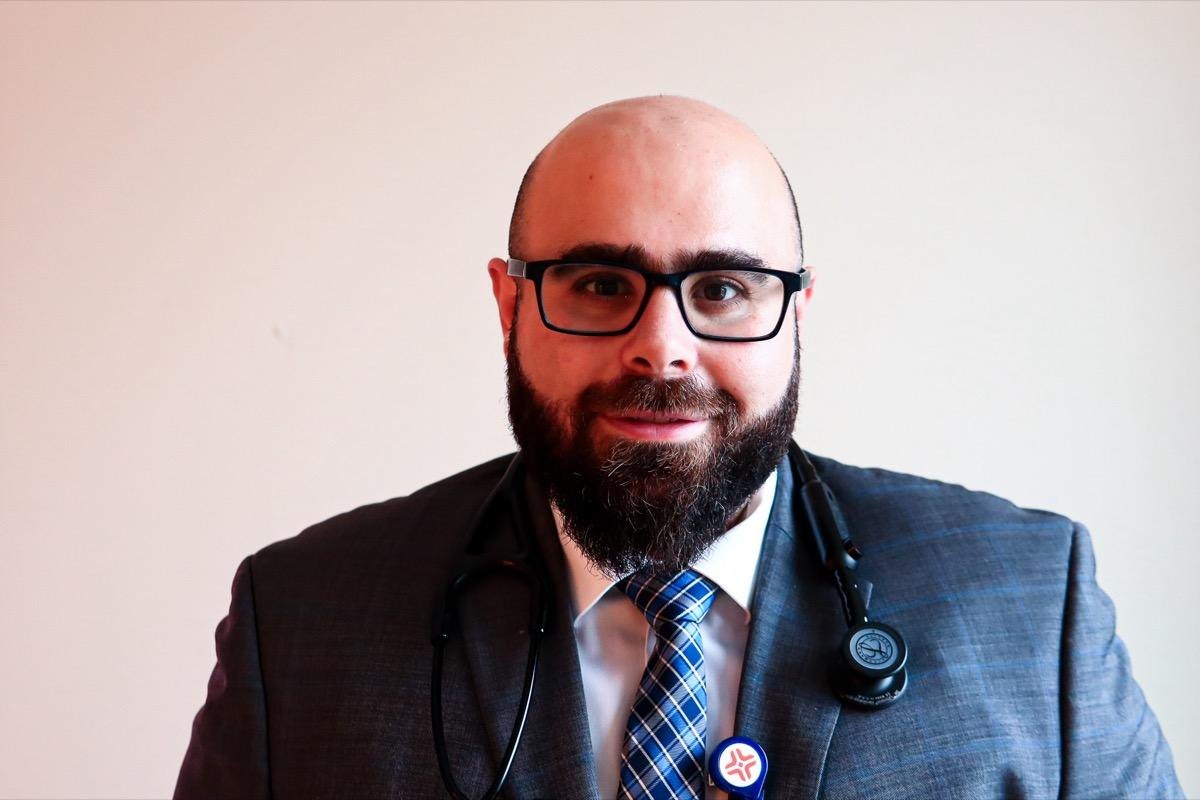
Dr. Jad Daye is a board-certified interventional cardiologist with cardiovascular and vascular-imaging expertise.His training includes medical education at UT Southwestern Medical School, internal medicine residency at Baylor College of Medicine, general cardiology fellowship at Boston University and interventional cardiology training at Baylor Heart and Vascular Hospital.
Dr. Daye also holds the Registered Physician in Vascular Interpretation (RPVI) credential.
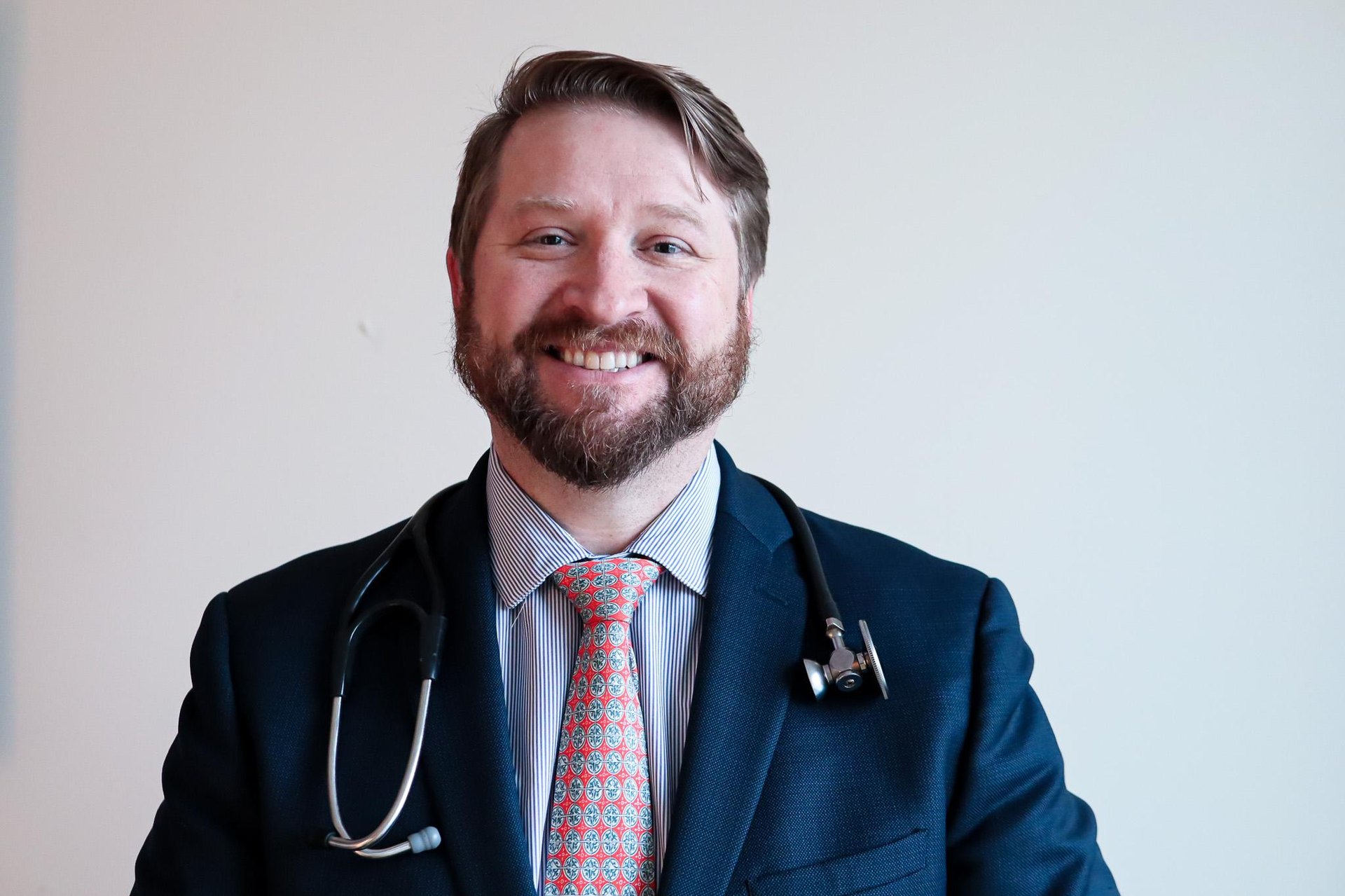
Michael Hust, MD
Dr. Michael Hust is an experienced cardiovascular physician with board certification in internal medicine, cardiovascular disease and interventional cardiology.His cardiovascular expertise supports comprehensive evaluation of patients with vascular and circulatory concerns.
Our Location
Houston Vein Clinic Serving Cypress, Spring & Tomball
Our Houston location provides convenient access for patients throughout Northwest Houston, Cypress, Spring and Tomball.
If you are experiencing painful varicose veins, swollen legs, heaviness, visible bulging veins or other symptoms of possible venous disease, schedule an evaluation to determine whether additional testing or treatment may be appropriate.
Schedule Your Vein Evaluation →Cypress Cardiovascular Institute – Houston
10425 Huffmeister Rd, Suite 330
Houston, TX 77065
(281) 955-8818
We also serve patients from nearby communities including:
- Jersey Village
- Willowbrook
- Champions
- Northwest Houston
- Surrounding Harris County communities
FAQ
Frequently Asked Questions About Varicose Vein Treatment in Houston
Where can I get varicose vein treatment near Cypress, TX?
Patients in Cypress can visit Cypress Cardiovascular Institute for evaluation of varicose veins, venous reflux and chronic venous insufficiency. Our Houston location on Huffmeister Road is convenient for many patients from Cypress and Northwest Houston.
Where can I find a vein doctor near Spring, TX?
Patients from Spring who have painful varicose veins, swollen legs or visible veins can schedule an evaluation at Cypress Cardiovascular Institute's Houston location. The physician may recommend an examination and venous ultrasound depending on your symptoms.
Do you treat patients from Tomball?
Yes. Patients from Tomball and surrounding Northwest Houston communities can schedule consultations for varicose veins, spider veins, venous reflux and chronic venous insufficiency.
What causes varicose veins?
Varicose veins commonly develop when valves inside superficial veins become weak or damaged. This allows blood to flow backward and collect inside the vein, creating increased pressure that can cause the vein to enlarge.
Age, family history, pregnancy, excess weight and prolonged standing may contribute to their development.
What kind of doctor treats varicose veins?
Varicose veins may be evaluated and treated by physicians with appropriate cardiovascular, vascular or venous expertise. At Cypress Cardiovascular Institute, vein care is integrated within our cardiovascular practice.
How do I know whether I have venous reflux?
Symptoms alone cannot reliably determine whether venous reflux is present. A venous duplex ultrasound may be recommended to evaluate the direction of blood flow and determine whether valves inside specific veins are functioning properly.
Are spider veins the same as varicose veins?
No. Spider veins are generally much smaller surface vessels, while varicose veins are larger and may be raised, twisted or bulging.
Some patients have both.
What is the difference between VenaSeal and radiofrequency ablation?
Both procedures can be used to close selected abnormal superficial veins.
VenaSeal uses a medical adhesive. Radiofrequency ablation, including ClosureFast, uses controlled thermal energy delivered through a catheter.
Your anatomy, ultrasound findings, symptoms and medical history help determine which treatment may be appropriate.
Is varicose vein treatment painful?
Experience varies by patient and procedure. Modern vein treatments are designed to be minimally invasive, but temporary discomfort, tenderness or bruising can occur.
Your physician can explain what to expect before recommending a particular procedure.
Will closing a vein hurt my circulation?
When an abnormal superficial vein is appropriately selected for treatment, circulation is redirected through healthier veins.
Your venous system is evaluated before treatment to determine whether closing the targeted vein is appropriate.
Can varicose veins cause blood clots?
Varicose veins and venous disease can be associated with inflammation or superficial thrombosis in some patients, while deep vein thrombosis is a separate and potentially serious condition.
Seek prompt medical attention for sudden one-sided leg swelling, significant pain, redness or other concerning symptoms.
Can I exercise after vein treatment?
Activity recommendations depend on the treatment performed.
Walking is commonly encouraged after many minimally invasive vein procedures, while strenuous exercise may need to be limited temporarily.
Always follow your physician's specific instructions.
Do compression stockings cure varicose veins?
Compression stockings can help control symptoms such as swelling or aching in some patients, but they do not necessarily eliminate an underlying refluxing vein.
Your physician can determine whether compression therapy, observation or a vein procedure is appropriate.
Do I need an ultrasound before varicose vein treatment?
An ultrasound is often useful when patients have symptomatic varicose veins or there is concern for venous reflux.
Whether you need an ultrasound depends on your symptoms and clinical evaluation.
Can men develop varicose veins?
Yes. Varicose veins occur in both men and women.
Men may develop the same symptoms, including bulging veins, leg pain, heaviness, swelling and skin changes.
Can varicose veins be treated without surgery?
Many modern varicose-vein treatments are minimally invasive and do not require traditional surgical vein stripping.
Depending on the patient's condition, options may include VenaSeal, radiofrequency ablation or sclerotherapy.
Schedule Your Visit
Schedule a Varicose Vein Evaluation Near Cypress, Spring or Tomball
You do not have to assume that painful, swollen or bulging veins are simply something you must live with.
If you have varicose veins, aching legs, swelling, heaviness, skin discoloration or symptoms that worsen after standing, an evaluation can help determine whether venous reflux or chronic venous insufficiency is contributing to your symptoms.
At Cypress Cardiovascular Institute, our cardiovascular team provides diagnostic evaluation and minimally invasive treatment options for appropriate patients with venous disease.
We welcome patients from:
Houston • Cypress • Spring • Tomball • Jersey Village • Willowbrook • Champions • Northwest Houston
Cypress Cardiovascular Institute – Houston
10425 Huffmeister Rd, Suite 330, Houston, TX 77065