 Same-Day Appointments Available
 Most Major Insurance Accepted
 Medicare & Medicaid Accepted
Same-Day Appointments Available
Most Major Insurance Accepted
Medicare & Medicaid Accepted
Medicare & Medicaid Accepted
Same-Day Appointments Available
Most Major Insurance Accepted
Medicare & Medicaid Accepted
Home › Heart Care › Heart Failure & Arrhythmias
Heart Care · Cypress, TX
Heart failure means the heart cannot pump enough blood to meet the body’s needs. An arrhythmia is a heartbeat that is too fast, too slow or irregular, and the two conditions often occur together. At Cypress Cardiovascular Institute, board-certified cardiologists evaluate and manage both with echocardiography, heart rhythm monitoring, medication, cardioversion and pacemaker or defibrillator care for patients in Cypress and northwest Houston.
✓ Board-certified cardiologists
✓ Same-day appointments available
✓ Medicare, Medicaid & most insurance
Last updated: September 25, 2026 · Cypress Cardiovascular Institute
Understanding the Conditions
Heart failure is a chronic condition in which the heart muscle cannot pump enough blood and oxygen to support the body’s organs. It does not mean the heart has stopped. Heart failure can result from a weakened heart muscle (reduced ejection fraction) or a stiff heart muscle that does not fill properly (preserved ejection fraction). Common causes include coronary artery disease, high blood pressure, valve disease and a previous heart attack.
An arrhythmia is a problem with the rate or rhythm of the heartbeat. Some arrhythmias are harmless; others, such as atrial fibrillation (AFib) or ventricular tachycardia, can raise the risk of stroke, heart failure or sudden cardiac arrest. Heart failure can trigger arrhythmias, and a persistently fast or irregular rhythm can weaken the heart over time.
Symptoms
Heart failure symptoms usually develop gradually as fluid builds up and the body receives less blood flow. Arrhythmia symptoms can start and stop suddenly. Some people with arrhythmias, including atrial fibrillation, have no symptoms at all.
Breathlessness with activity, when lying flat, or waking up at night short of breath is a common heart failure symptom.
Fluid retention in the legs, ankles or abdomen, or gaining several pounds over a few days, can signal worsening heart failure.
Tiring easily or being unable to do usual activities because the body is receiving less blood flow.
A racing, pounding, fluttering or skipped heartbeat is the most common arrhythmia symptom.
Lightheadedness or passing out can happen when the heart beats too fast or too slow to pump enough blood.
A lasting cough, sometimes with white or pink-tinged mucus, can come from fluid backing up into the lungs.
Call 911 if you faint, have chest pain or sudden severe shortness of breath, or if a fast or irregular heartbeat comes with chest pain, confusion or fainting.

Causes & Risk Factors
Heart failure and arrhythmias share many causes. Conditions that damage or strain the heart muscle, or disrupt the heart’s electrical system, raise the risk of both. Treating these underlying causes is a central part of heart failure and arrhythmia care at Cypress Cardiovascular Institute.
Diagnosis
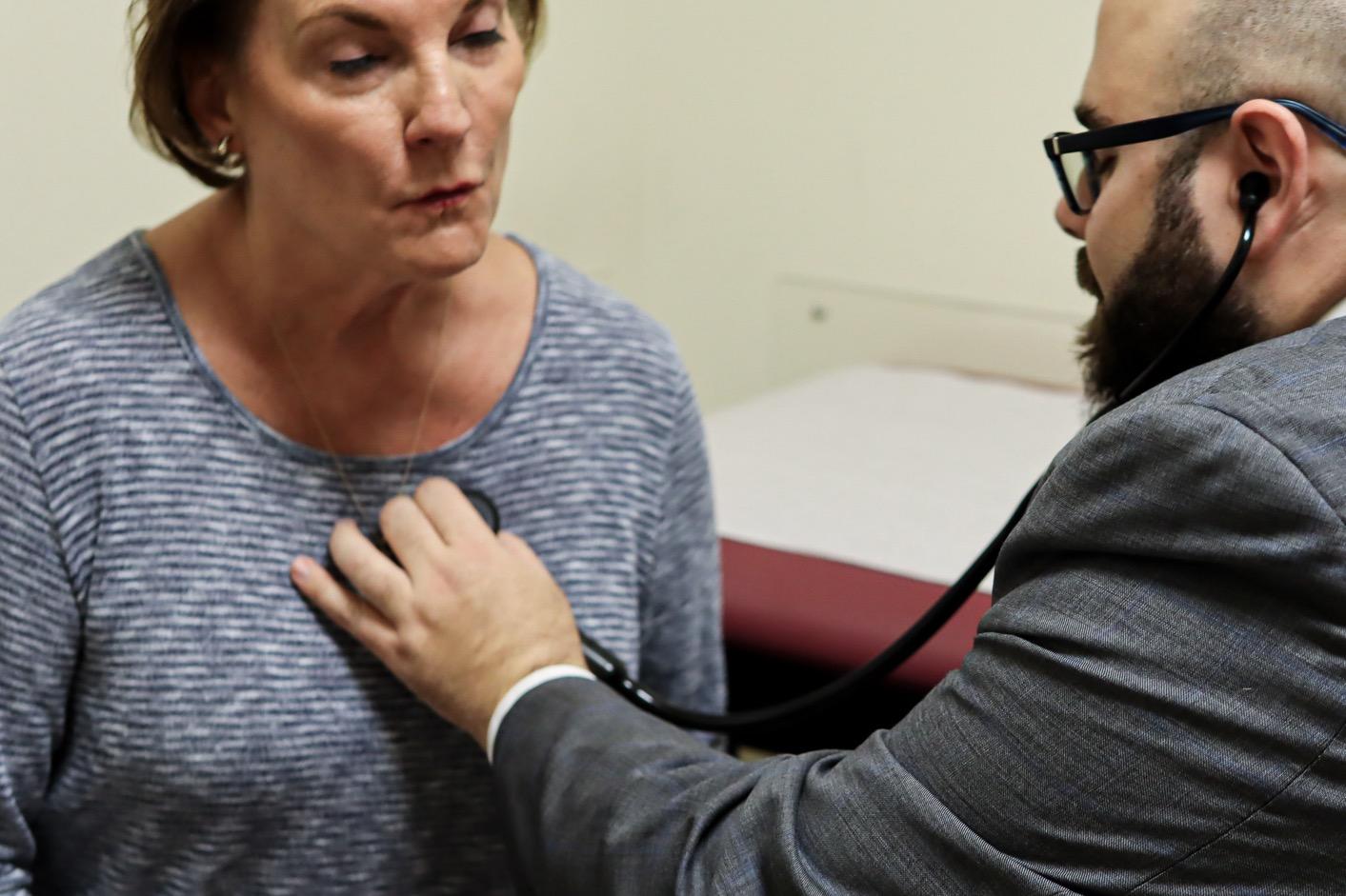
Your cardiologist reviews your symptoms, medications and medical history, examines your heart and lungs, and checks for fluid buildup. Tests confirm the diagnosis, measure how well the heart pumps and record your heart rhythm during daily life.
Ultrasound imaging that measures ejection fraction, the share of blood the heart pumps with each beat, and checks the heart valves.
A quick, painless recording of the heart’s electrical activity that can identify many arrhythmias and signs of heart strain.
Wearable monitors record your heart rhythm for a day or longer to capture arrhythmias that come and go.
Treadmill or nuclear stress tests check for coronary artery disease, a common cause of both heart failure and arrhythmias.
Advanced heart rhythm testing and analysis helps identify the type of arrhythmia and where it starts.
Blood tests may be ordered to look for heart strain and related conditions, and pacemaker and defibrillator checks confirm an implanted device is working properly.
Learn more about each test on our Diagnostic & Imaging Services page.
Treatment Options
Heart failure and arrhythmia treatment focuses on relieving symptoms, protecting the heart, preventing stroke and hospital stays, and treating the underlying cause. Many patients need a combination of medication, lifestyle changes and, in some cases, a device or procedure.
Treatment decisions are individualized. Some rhythm procedures, such as catheter ablation, are performed by electrophysiology specialists, and your cardiologist will coordinate a referral when needed.
What to Expect
01
Call (281) 955-9158 or request an appointment online. Same-day appointments are often available.
02
Your cardiologist reviews your symptoms, weight changes, medications and history, and examines your heart and lungs.
03
An echocardiogram, EKG or wearable heart monitor may be ordered to measure heart function and record your rhythm.
04
Heart failure and many arrhythmias are long-term conditions, so your plan includes follow-up visits and medication adjustments over time.
Your Care Team
Heart failure and arrhythmia care at Cypress Cardiovascular Institute is provided by board-certified cardiologists, with cardiac nurse practitioner Marisa Cueva, NP-C, supporting ongoing care for Dr. Daye’s and Dr. Hust’s patients.
President, Interventional Cardiologist
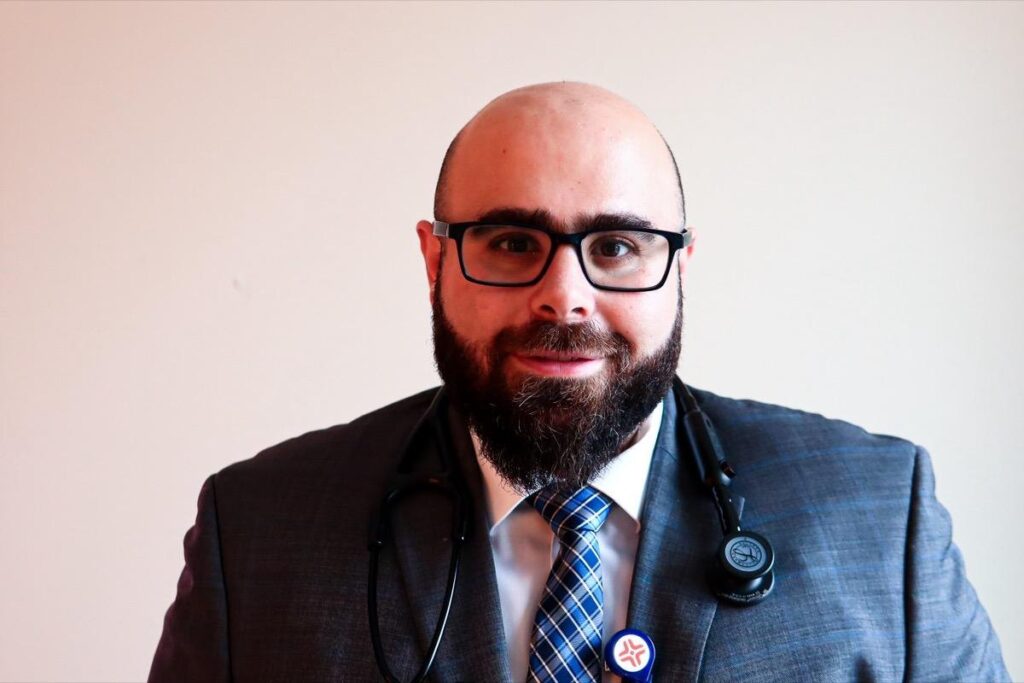
Board-certified interventional cardiologist with expertise in coronary, structural and peripheral interventions. President of Cypress Cardiovascular Institute and Associate Professor at the University of Houston School of Medicine.
Interventional Cardiologist
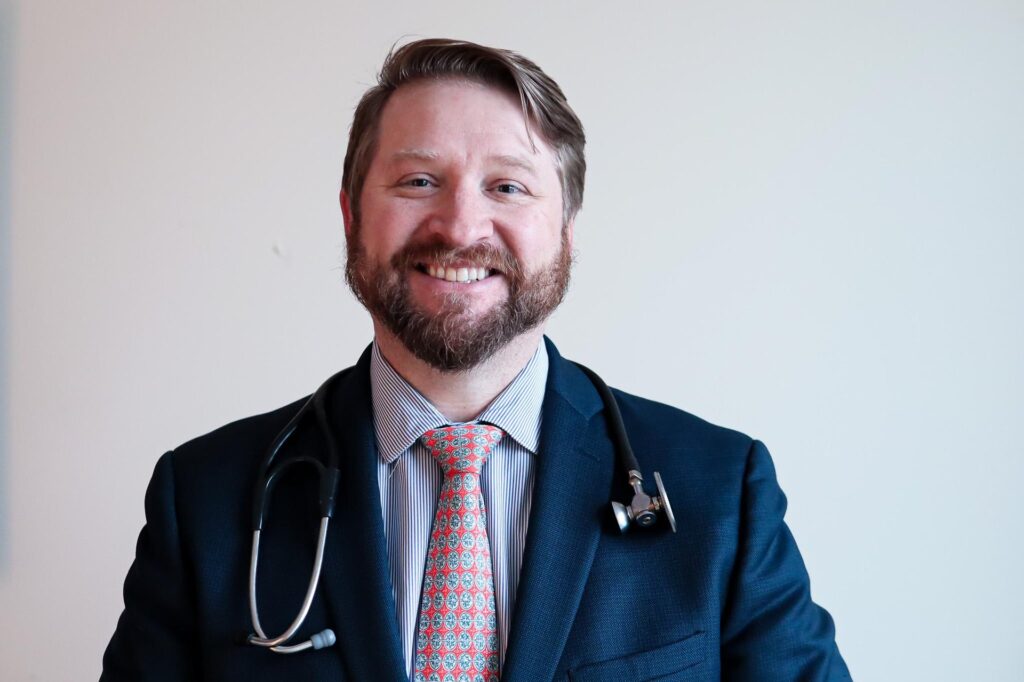
Board-certified in internal medicine, cardiovascular disease and interventional cardiology, caring for patients in Cypress and surrounding areas.
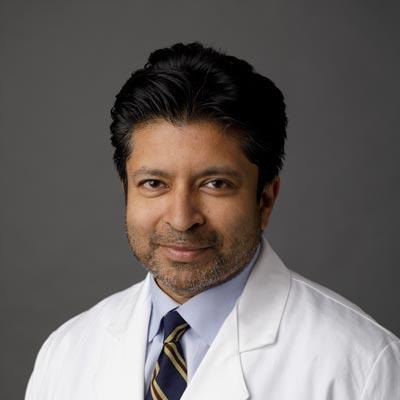
Interventional Cardiologist
Board-certified cardiologist with expertise in cardiovascular conditions including hypertension and chest pain, with a patient-centered approach to treatment.
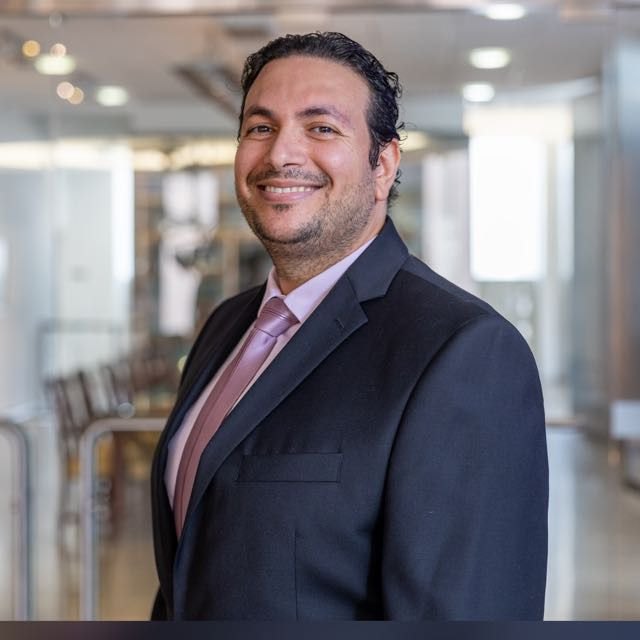
Interventional & Structural Cardiologist
Specializes in coronary and structural heart disease, including PCI, TAVR and PFO closure. Trained at Baylor College of Medicine.
Locations, Hours & Insurance
Cypress Cardiovascular Institute sees patients Monday through Friday, 8:00 AM to 5:00 PM, at two offices and an imaging center serving Cypress, northwest Houston, Tomball, Spring, Katy and nearby communities such as Bridgeland, Towne Lake and Fairfield.
24518 Northwest Fwy, Suite 325
Cypress, TX 77429
(281) 955-9158
Get directions
10425 Huffmeister Rd, Suite 330
Houston, TX 77065
(281) 955-8818
Get directions
24518 Northwest Fwy, Suite 345
Cypress, TX 77429
(281) 955-9158
Get directions
Insurance: Cypress Cardiovascular Institute accepts Medicare, Medicaid and most major insurance plans. Coverage for specific tests, monitors and procedures depends on your plan, and our team can help you check your benefits before your visit. Insurance information
Frequently Asked Questions
A cardiologist diagnoses and manages heart failure and most arrhythmias. The board-certified cardiologists at Cypress Cardiovascular Institute provide testing, medication management, cardioversion and pacemaker and defibrillator care, and coordinate with electrophysiology specialists when advanced rhythm procedures are needed.
No. A heart attack happens when blood flow to part of the heart is suddenly blocked. Heart failure is a long-term condition in which the heart does not pump as well as it should. A heart attack can damage the heart muscle and later lead to heart failure.
Many palpitations are harmless and can be triggered by caffeine, stress or dehydration. Palpitations that are frequent or long-lasting, or that occur with chest pain, shortness of breath, dizziness or fainting, should be evaluated by a cardiologist.
Atrial fibrillation (AFib) is a common arrhythmia in which the upper chambers of the heart beat irregularly and often fast. AFib increases the risk of stroke, so treatment often includes a blood thinner along with medication to control the heart rate or rhythm.
Yes. Heart failure usually cannot be cured, but many people stay active with the right medications, lifestyle changes, regular follow-up and, when appropriate, devices or procedures that treat the underlying cause.
Cypress Cardiovascular Institute accepts Medicare, Medicaid and most major insurance plans. Medically necessary heart monitoring, device checks and procedures are usually covered, but copays and prior-authorization rules vary, so we recommend verifying your benefits.
This page is for general education and is not a substitute for personal medical advice. Content provided by Cypress Cardiovascular Institute, Cypress, TX.
Same-Day Appointments Available
Same-day appointments are often available at our Cypress offices. Call (281) 955-9158 or request an appointment online.