 Same-Day Appointments Available
 Most Major Insurance Accepted
 Medicare & Medicaid Accepted
Same-Day Appointments Available
Most Major Insurance Accepted
Medicare & Medicaid Accepted
Medicare & Medicaid Accepted
Same-Day Appointments Available
Most Major Insurance Accepted
Medicare & Medicaid Accepted
Home › Our Services › Diagnostic & Imaging Services
Heart & Vascular Testing · Cypress, TX
Cypress Cardiovascular Institute provides heart and vascular testing in Cypress, TX, including EKGs, echocardiograms, treadmill and nuclear stress tests, cardiac PET scans, Holter and event monitoring, and vascular ultrasound. Tests are ordered and reviewed by board-certified cardiologists, and the practice operates an imaging center at Methodist Cypress (MOB2), 24518 Northwest Fwy, Suite 345.
✓ Board-certified cardiologists
✓ Same-day appointments available
✓ Medicare, Medicaid & most insurance
Last updated: September 25, 2026 · Cypress Cardiovascular Institute
Heart & Vascular Testing
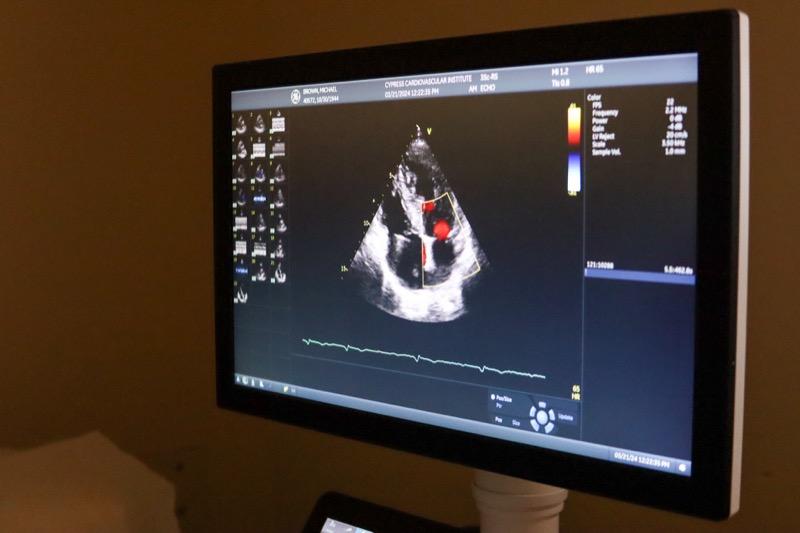
Cardiac and vascular tests show how the heart and blood vessels are working. They measure the heart’s electrical activity, pumping strength and blood flow, reveal narrowed or blocked arteries, and record the heart rhythm over time. The results help your cardiologist confirm a diagnosis, choose the right treatment and track your progress.
Most heart tests are noninvasive, meaning no incision is needed. Examples include EKGs, ultrasound and stress tests. Invasive tests such as cardiac catheterization are used when more detailed information is needed or when treatment may be performed during the same procedure.
Reasons for Testing
Your cardiologist recommends tests based on your symptoms, risk factors and medical history. These are some of the most common reasons for heart and vascular testing.
Stress tests, nuclear imaging or CT angiography can show whether reduced blood flow to the heart is causing symptoms.
An echocardiogram measures how well the heart muscle and valves are working.
An EKG and a Holter or event monitor record the heart rhythm to identify arrhythmias.
Ankle-brachial index testing and leg arterial ultrasound check for peripheral artery disease.
Ultrasound can evaluate the leg veins as part of a vein care evaluation.
Follow-up testing and pacemaker or defibrillator checks track your condition and confirm devices are working properly.
Call 911 for chest pain, severe shortness of breath, fainting or stroke symptoms. Emergency symptoms should be evaluated in an emergency department rather than at a scheduled test appointment.
Imaging Center
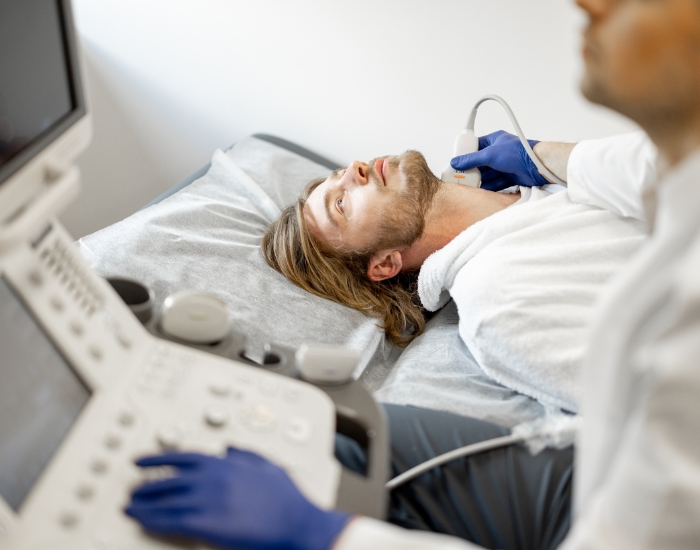
Cypress Cardiovascular Institute operates an imaging center in Suite 345 of the Methodist Cypress medical office building (MOB2), in the same building as the practice’s main office in Suite 325. Having testing and cardiology visits in one location makes it easier to complete your evaluation and review results with your cardiologist. For your test, please bring:
Heart Tests
These cardiac tests evaluate the heart’s rhythm, structure, pumping function and blood flow.
A quick, painless recording of the heart’s electrical activity using small sensors on the chest. It helps detect arrhythmias, signs of a heart attack and heart strain.
An ultrasound of the heart that shows its size, pumping strength and valves, without radiation.
Records your EKG, heart rate and blood pressure while you walk on a treadmill to see how the heart responds to exercise.
A stress myocardial perfusion scan uses a small amount of radioactive tracer to show blood flow to the heart muscle at rest and during stress.
Positron emission tomography imaging of the heart shows blood flow and helps distinguish healthy heart muscle from damaged muscle.
Portable monitors record your heart rhythm for 24 hours or longer during daily activities to capture arrhythmias that come and go.
Pacemaker and defibrillator checks are also available for patients with implanted devices. See how testing fits into care for coronary artery disease and heart failure and arrhythmias.
Vascular & Advanced Imaging
Vascular tests check the arteries and veins outside the heart, and advanced imaging provides detailed pictures when standard tests are not enough. The table below explains what each test shows and when it is often used.
Test availability, location and preparation can vary. Our staff will confirm the details when your test is scheduled.
What to Expect
01
Your cardiologist orders the tests you need after your evaluation. Call (281) 955-9158 to schedule or ask questions.
02
You may be asked to avoid food, caffeine or certain medications before some tests. Our team gives you specific instructions.
03
Many tests take place at our Cypress offices or imaging center, and many are painless and completed in one visit.
04
Your cardiologist explains your results and next steps, which may include treatment or follow-up testing.
Your Care Team
Testing at Cypress Cardiovascular Institute is ordered and reviewed by board-certified cardiologists. Dr. Jad Daye holds the RPVI (Registered Physician in Vascular Interpretation) credential for interpreting vascular ultrasound.
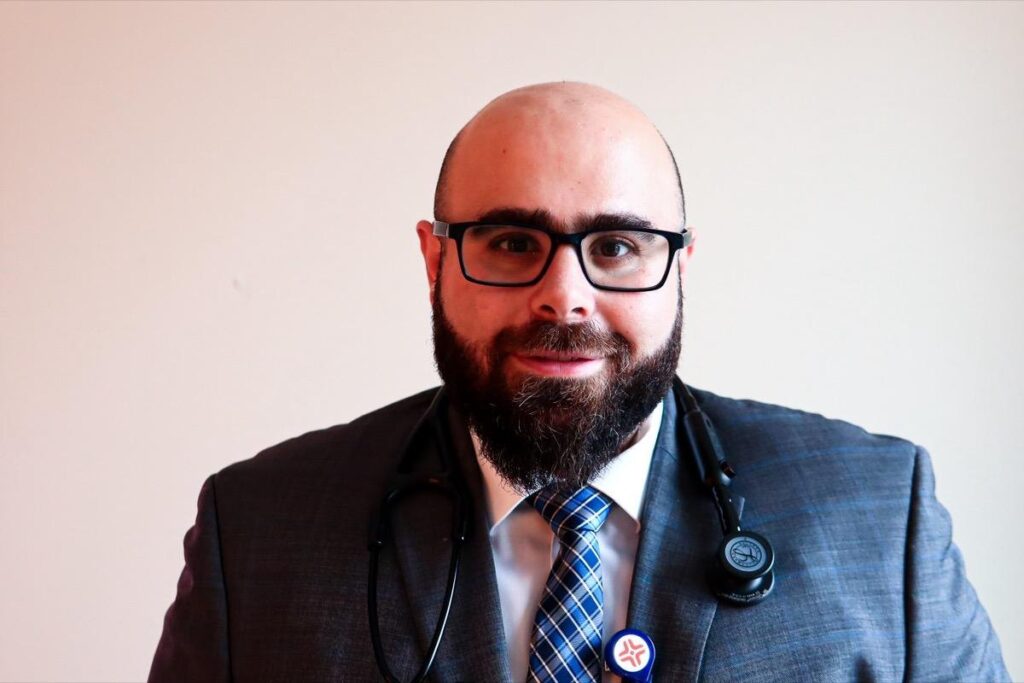
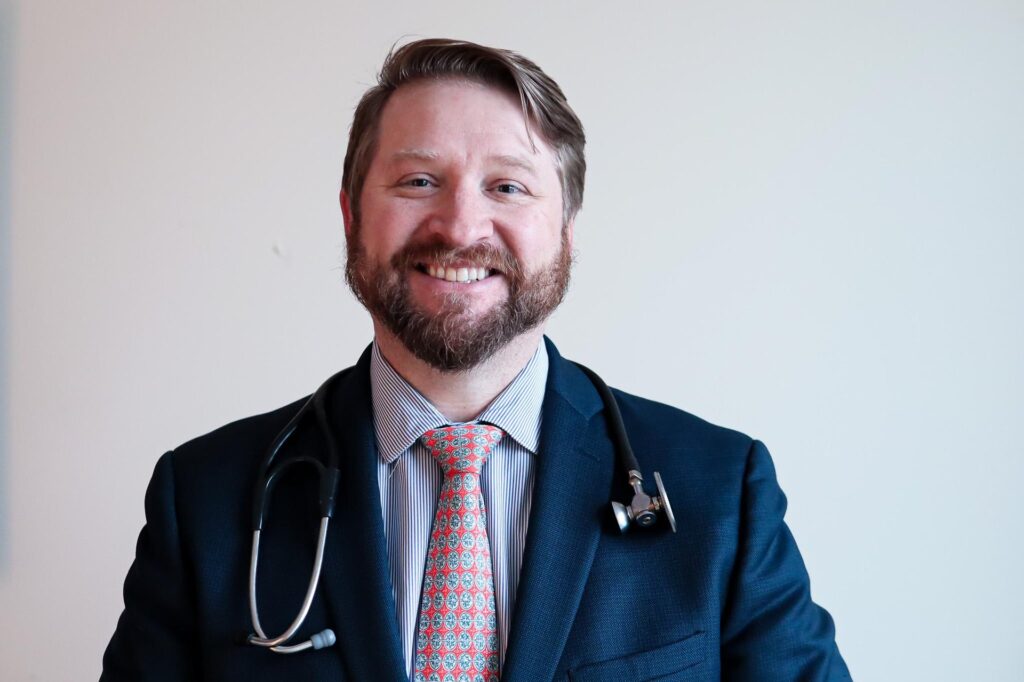
President, Interventional Cardiologist
Board-certified interventional cardiologist with expertise in coronary, structural and peripheral interventions. President of Cypress Cardiovascular Institute and Associate Professor at the University of Houston School of Medicine.
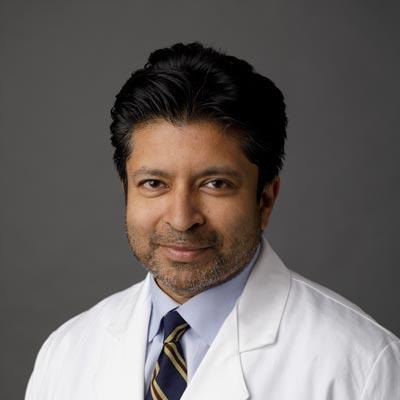
Interventional Cardiologist
Board-certified in internal medicine, cardiovascular disease and interventional cardiology, caring for patients in Cypress and surrounding areas.
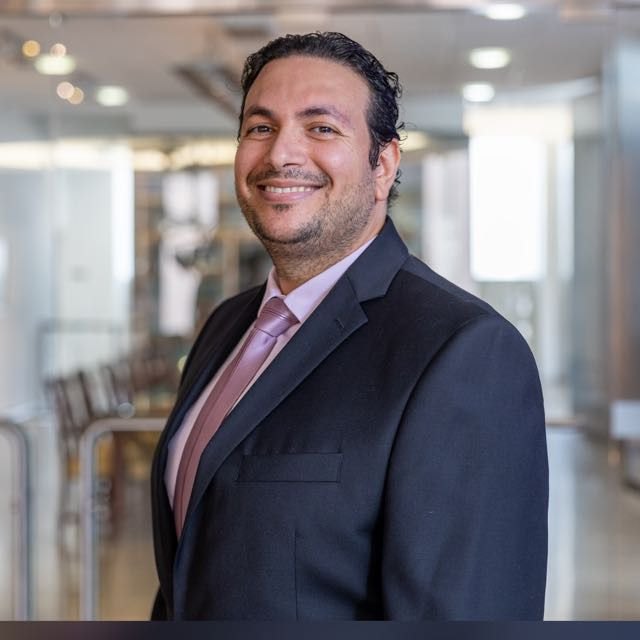
Interventional Cardiologist
Board-certified cardiologist with expertise in cardiovascular conditions including hypertension and chest pain, with a patient-centered approach to treatment.
Interventional & Structural Cardiologist
Specializes in coronary and structural heart disease, including PCI, TAVR and PFO closure. Trained at Baylor College of Medicine.
Locations, Hours & Insurance
Cypress Cardiovascular Institute sees patients Monday through Friday, 8:00 AM to 5:00 PM, at two offices and an imaging center serving Cypress, northwest Houston, Tomball, Spring, Katy and nearby communities such as Bridgeland, Towne Lake and Fairfield.
24518 Northwest Fwy, Suite 325
Cypress, TX 77429
(281) 955-9158
Get directions
10425 Huffmeister Rd, Suite 330
Houston, TX 77065
(281) 955-8818
Get directions
24518 Northwest Fwy, Suite 345
Cypress, TX 77429
(281) 955-9158
Get directions
Insurance: Cypress Cardiovascular Institute accepts Medicare, Medicaid and most major insurance plans. Some plans require prior authorization for advanced imaging such as nuclear, PET or CT scans, so we recommend checking your benefits before your test. Insurance information
Frequently Asked Questions
Yes. Diagnostic heart and vascular tests are ordered by a physician. At Cypress Cardiovascular Institute, a cardiologist evaluates you first and orders the tests that fit your symptoms and risk factors. Some insurance plans also require a referral.
An EKG records the heart’s electrical activity and takes a few minutes. An echocardiogram uses ultrasound to create moving pictures of the heart, showing its size, pumping strength and valves. They answer different questions, so your cardiologist may order both.
Nuclear stress tests are commonly performed and use a small amount of radioactive tracer that leaves the body naturally. Tell your care team if you are pregnant or breastfeeding. If you cannot exercise, medication can be used to stress the heart instead.
An EKG takes a few minutes. An echocardiogram usually takes under an hour, and a nuclear stress test can take a few hours because images are taken at rest and after stress. Our team will tell you how long to plan for.
The imaging center is at Methodist Cypress (MOB2), 24518 Northwest Fwy, Suite 345, Cypress, TX 77429, in the same building as the practice’s main office in Suite 325.
Cypress Cardiovascular Institute accepts Medicare, Medicaid and most major insurance plans. Medically necessary cardiac and vascular tests are usually covered, but some plans require prior authorization for advanced imaging. Contact us to verify your coverage.
This page is for general education and is not a substitute for personal medical advice. Content provided by Cypress Cardiovascular Institute, Cypress, TX.
Same-Day Appointments Available
Talk with a cardiologist about which tests are right for you. Call (281) 955-9158 or request an appointment online.