Same-Day Appointments Available
Most Major Insurance Accepted
Medicare & Medicaid Accepted
Cypress Cardiovascular Institute logo
Call 281-955-9158 281-955-9158 Schedule Appointment

Home  ›  Vein Care  ›  Vein Diseases

Vein Health Guide

Vein Diseases: Types, Symptoms, Causes & When to Seek Care

Vein diseases are conditions that affect the blood vessels responsible for returning blood from the body back toward the heart. While some vein problems cause mainly visible changes, others can produce leg pain, swelling, heaviness, skin discoloration, inflammation or wounds that do not heal normally.

Common vein conditions include varicose veins, spider veins, chronic venous insufficiency, venous reflux, superficial thrombophlebitis, deep vein thrombosis and venous ulcers.
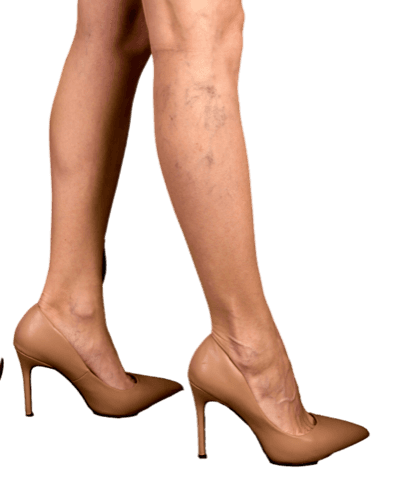
Legs with varicose veins

Understanding the type of vein problem you may have is important because treatment and urgency vary significantly from one condition to another. This guide explains the major types of vein disease, common symptoms, risk factors and signs that should prompt medical evaluation.

The Basics

What Is Vein Disease?

Vein disease is a broad term describing conditions that affect the structure or function of veins.

Veins carry blood back toward the heart. In the legs, veins work against gravity, relying partly on one-way valves and the contraction of the calf muscles to keep blood moving upward.

When the valves or vein walls do not function normally, blood may:

  • Flow backward
  • Pool in the lower legs
  • Increase pressure inside the veins
  • Cause veins to enlarge
  • Contribute to swelling or inflammation
  • Affect the surrounding skin and tissue

Different types of venous disease can range from small spider veins to more advanced chronic venous insufficiency.

Conditions

Common Types of Vein Disease

Chronic Venous Insufficiency

Chronic venous insufficiency (CVI) occurs when veins in the legs have difficulty returning blood efficiently toward the heart.

This often develops when vein valves become weakened or damaged, allowing blood to flow backward and collect in the lower legs. Common symptoms may include:
  • Leg heaviness
  • Aching
  • Lower-leg swelling
  • Ankle swelling
  • Tired legs
  • Itching
  • Skin discoloration
  • Varicose veins
  • Skin thickening
  • Venous ulcers in advanced cases
CVI is one of the major underlying causes of chronic symptoms associated with leg vein disease.

Learn more: Chronic Venous Insufficiency →

Varicose Veins

Varicose veins are enlarged, twisted or bulging veins that usually develop in the legs. They may appear:
  • Blue
  • Purple
  • Raised
  • Rope-like
  • Twisted underneath the skin
For some people, varicose veins are mainly a cosmetic concern. For others, they may be associated with venous reflux and produce symptoms such as:
  • Aching
  • Throbbing
  • Heaviness
  • Swelling
  • Burning
  • Itching
  • Leg fatigue
Varicose veins should not automatically be assumed to be harmless when they are painful, worsening or associated with significant swelling or skin changes.

Learn more: Varicose Veins →

Spider Veins

Spider veins are small red, blue or purple blood vessels that appear close to the surface of the skin. They often resemble:
  • Thin branches
  • Webs
  • Small clusters of lines
Spider veins are usually smaller than varicose veins and may occur without significant underlying venous disease. However, some people with spider veins also have larger abnormal veins or venous reflux.

A medical evaluation may be appropriate when spider veins occur together with:
  • Leg aching
  • Significant swelling
  • Heaviness
  • Larger varicose veins
  • Skin changes
Learn more: Spider Veins →

Venous Reflux

Venous reflux occurs when valves inside the veins do not close properly.

Healthy valves are designed to help keep blood moving toward the heart. When a valve becomes incompetent, some blood can travel backward. This backward flow can increase pressure inside the leg veins.

Venous reflux may contribute to:
  • Varicose veins
  • Leg aching
  • Heaviness
  • Swelling
  • Chronic venous insufficiency
  • Skin changes
When clinically indicated, a venous duplex ultrasound can help physicians evaluate blood flow and identify abnormal reflux.

Venous Ulcers

A venous ulcer is a chronic wound that can develop when long-term venous disease damages the skin and surrounding tissue. Venous ulcers frequently occur around the lower leg or ankle.

Signs may include:
  • An open wound that heals slowly
  • Swelling around the ankle
  • Brown or reddish skin discoloration
  • Thickened or irritated skin
  • Fluid drainage
  • Recurring wounds in the same area
Venous ulcers generally require medical evaluation because treatment often involves managing both the wound and the underlying venous problem.

Superficial Thrombophlebitis

Superficial thrombophlebitis occurs when inflammation and clotting affect a vein close to the surface of the skin.

Symptoms may include:
  • Redness
  • Tenderness
  • Local warmth
  • Pain
  • A firm or cord-like vein
Because symptoms involving blood clots can overlap with more serious vascular conditions, new or unexplained symptoms should be medically evaluated.

Deep Vein Thrombosis

Deep vein thrombosis (DVT) occurs when a blood clot forms within a deep vein, most commonly in the leg.

Possible symptoms can include:
  • Sudden swelling in one leg
  • Leg pain or tenderness
  • Warmth
  • Skin color changes
However, some DVTs produce few or no obvious symptoms.

DVT is different from ordinary varicose veins and can be medically serious because a clot can potentially travel to the lungs.

Seek urgent medical attention

Seek immediate medical care for symptoms such as:
  • Sudden shortness of breath
  • Chest pain
  • Coughing up blood
  • Fainting
  • Sudden significant one-sided leg swelling
These symptoms can represent a medical emergency.

Symptoms

What Are the Most Common Symptoms of Vein Disease?

Symptoms vary depending on the type and severity of venous disease. Common signs include:

Visible veins

  • Spider veins
  • Enlarged veins
  • Bulging veins
  • Rope-like varicose veins

Leg discomfort

  • Aching
  • Throbbing
  • Burning
  • Heaviness
  • Tired legs
  • Cramping

Swelling

Swelling may occur around:
  • Ankles
  • Lower legs
  • Feet
It may become more noticeable after prolonged standing or toward the end of the day.

Skin changes

Chronic venous disease may contribute to:
  • Brown discoloration
  • Redness
  • Itching
  • Dryness
  • Thickening of the skin

Wounds

More advanced disease may result in slow-healing sores, particularly around the ankle.

Early Warning Signs

Early Signs of Vein Problems

Vein disease does not always begin with large, visible varicose veins.

These symptoms can have many possible causes, so persistent or worsening symptoms should be evaluated rather than self-diagnosed.

Earlier symptoms can include:

  • Legs feeling unusually heavy at the end of the day
  • Mild ankle swelling
  • Aching after standing
  • Frequent leg fatigue
  • Burning or itching
  • Nighttime leg cramps
  • Increasing visibility of surface veins

Causes

What Causes Vein Disease?

Several factors may contribute to venous disease.

Genetics

A family history of varicose veins or chronic venous insufficiency can increase risk.

Age

Vein valves and vein walls may weaken over time.

Pregnancy

Hormonal changes, increased blood volume and pressure within the abdomen may contribute to varicose veins during pregnancy.

Prolonged Standing

Jobs that require many hours of standing may increase pressure within the veins of the legs.

Prolonged Sitting

Long periods without movement can reduce the normal calf-muscle pumping action that assists venous circulation.

Weight

Excess body weight may place additional pressure on the veins of the legs.

Previous Blood Clots

Damage following a previous deep vein thrombosis can sometimes affect vein valves and contribute to chronic venous problems.

Previous Leg Injury or Surgery

Injury or surgery may affect venous circulation in some individuals.

Risk Factors

Who Is at Risk for Vein Disease?

Risk may be greater among people who have one or more of the factors listed here.

Having one or more risk factors does not mean that a person will necessarily develop significant vein disease.

  • Have a family history of vein disease
  • Are older
  • Have experienced multiple pregnancies
  • Spend long periods standing
  • Spend long periods sitting
  • Have obesity
  • Have a history of DVT
  • Have previously injured a leg
  • Have limited mobility

Diagnosis

How Are Vein Diseases Diagnosed?

Evaluation begins with understanding your symptoms and medical history.

Symptoms & Medical History

A physician may assess:
  • Which symptoms you experience
  • How long they have been present
  • Whether symptoms worsen after standing
  • Whether swelling affects one or both legs
  • Previous vein treatment
  • History of blood clots
  • Family history
  • Previous surgery or injury

Physical Examination

The legs may be examined for:
  • Varicose veins
  • Spider veins
  • Swelling
  • Skin discoloration
  • Inflammation
  • Ulcers

Venous Duplex Ultrasound

When appropriate, a duplex ultrasound can provide information about:
  • Blood flow
  • Vein structure
  • Valve function
  • Venous reflux
  • Possible blood clots

The appropriate diagnostic workup depends on the patient's symptoms and clinical findings.

Veins vs. Arteries

Venous Disease vs. Arterial Disease

Vein disease and arterial disease both affect circulation, but they are not the same problem.

Venous disease

Veins carry blood back toward the heart. Venous problems commonly produce:
  • Swelling
  • Heaviness
  • Varicose veins
  • Skin changes
  • Venous ulcers

Arterial disease

Arteries carry oxygen-rich blood away from the heart to the tissues. Problems such as peripheral artery disease can cause:
  • Leg pain with walking
  • Reduced blood flow
  • Cold feet
  • Slow-healing wounds

Because symptoms can overlap, proper diagnosis is important before assuming that leg discomfort is caused by a vein problem.

Common Questions

Varicose Veins, Spider Veins & Progression

Are Varicose Veins a Sign of Vein Disease?

They can be. Some people have visible varicose veins with few symptoms, while others have underlying venous reflux or chronic venous insufficiency.

Varicose veins accompanied by:
  • Pain
  • Swelling
  • Heaviness
  • Skin discoloration
  • Progressive changes
may warrant further evaluation.

For information about treatment options, visit our dedicated Varicose Vein Treatment page.

Are Spider Veins a Medical Problem?

Spider veins are frequently cosmetic, but they do not always tell the entire story. A person with spider veins may also have:
  • Varicose veins
  • Leg swelling
  • Venous reflux
  • Chronic venous insufficiency
The presence of additional symptoms can help determine whether a medical vein evaluation may be appropriate.

Can Vein Disease Get Worse Over Time?

Certain forms of chronic venous disease can progress. A patient may initially notice only visible veins or mild aching and later develop:
  • Increasing varicose veins
  • Persistent swelling
  • Skin discoloration
  • Skin inflammation
  • Venous ulcers
Progression varies considerably between patients. Persistent or worsening symptoms are a reason to discuss the problem with a healthcare professional.

Routine Evaluation

When Should You Have Leg Vein Symptoms Evaluated?

Consider medical evaluation if you experience:
  • Persistent leg swelling
  • Painful varicose veins
  • Increasing leg heaviness
  • Swelling that worsens during the day
  • Skin discoloration near the ankles
  • Repeated inflammation around a vein
  • A wound that is slow to heal
  • Significant changes in existing varicose veins
These symptoms do not automatically mean that you have chronic venous insufficiency, but evaluation can help determine the cause.

Urgent Care

When Are Vein Symptoms an Emergency?

Some symptoms require more urgent attention. Seek immediate medical care for:
  • Sudden significant swelling of one leg
  • Severe unexplained leg pain
  • Sudden shortness of breath
  • Chest pain
  • Coughing up blood
  • Fainting
These symptoms may indicate conditions other than ordinary chronic vein disease and should not be managed through a routine vein appointment.

Next Steps

Understanding Your Vein Condition Is the First Step

“Vein disease” includes several different conditions rather than one single diagnosis.

Understanding the underlying condition helps determine whether monitoring, conservative care, additional diagnostic testing or treatment should be considered.

The appropriate next step depends on whether the problem involves:

  • Spider veins
  • Varicose veins
  • Venous reflux
  • Chronic venous insufficiency
  • Venous ulcers
  • Superficial thrombophlebitis
  • Deep vein thrombosis

Learn More

Explore Vein Conditions

Chronic Venous Insufficiency

Learn how damaged or weakened vein valves can lead to swelling, aching, skin changes and other symptoms.

Learn About Chronic Venous Insufficiency →

Varicose Veins

Understand why enlarged leg veins develop, which symptoms they can cause and when they may require medical evaluation.

Learn About Varicose Veins →

Spider Veins

Learn the difference between spider veins and larger varicose veins and when visible veins may warrant further assessment.

Learn About Spider Veins →

Looking for Treatment Options?

This page is designed to help you understand vein diseases and their symptoms. If you have already been diagnosed with a vein condition or want to learn about available procedures, continue to our treatment resources:

Schedule Your Visit

Vein Evaluation at Cypress Cardiovascular Institute

If you are experiencing persistent leg swelling, painful varicose veins, heaviness, skin changes or other possible signs of venous disease, Cypress Cardiovascular Institute can evaluate your symptoms and determine whether additional testing is appropriate.

Our cardiovascular team serves patients from Cypress, Houston, Spring, Tomball and surrounding Northwest Houston communities.

The purpose of your visit is first to identify the underlying problem—not to assume that every symptom requires the same treatment.

This information is intended for general education and is not a substitute for individualized medical advice. Seek immediate medical attention for symptoms that may represent a medical emergency.

Now Accepting New Patients

Schedule an Appointment

Same-day appointments available. Fill out the short form and our team will contact you to confirm your visit.

Drive Now

Choose Your Location

Tap “Get Directions” to open turn-by-turn navigation in Google Maps.

Methodist Office (MOB2)

24518 Northwest Fwy, Ste 325
Cypress, TX 77429

Dr. Pavillion (POB3)

10425 Huffmeister Rd, Ste 330
Houston, TX 77065

Imaging Center (MOB2)

24518 Northwest Fwy, Ste 345
Cypress, TX 77429