



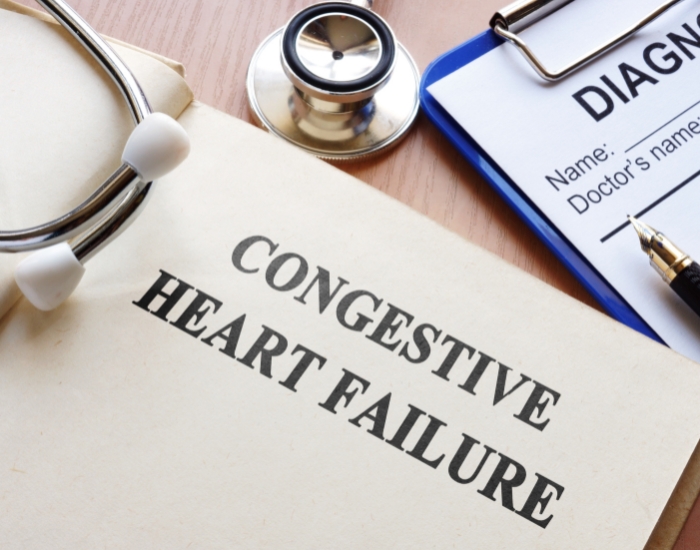



Congestive heart failure (CHF) is a serious condition where the heart cannot pump blood effectively to meet the body’s needs. Understanding the causes for congestive heart failure is essential for early detection, prevention, and effective treatment. CHF can affect people of all ages, but certain risk factors increase the likelihood of developing this condition.
If you have symptoms such as shortness of breath, swelling in the legs or abdomen, or persistent fatigue, it’s important to contact Cypress Cardiovascular Institute at 281-955-9158 for a professional evaluation.
What Is Congestive Heart Failure?
Congestive heart failure occurs when the heart becomes too weak or stiff to pump blood efficiently. Over time, fluid can accumulate in the lungs, legs, and other tissues, causing swelling and shortness of breath. CHF is a chronic condition that requires ongoing medical care, lifestyle adjustments, and monitoring to manage symptoms and prevent complications.
It’s important to note that CHF is not a sudden stop of the heart; rather, it’s a progressive condition that worsens over time if left untreated. Early recognition of causes and risk factors can significantly improve outcomes.
Common Causes for Congestive Heart Failure
Several conditions and lifestyle factors can lead to CHF. Identifying the underlying causes is key to managing and preventing progression.
1. Coronary Artery Disease (CAD)
Coronary artery disease is the most common cause of congestive heart failure. CAD occurs when arteries supplying blood to the heart muscle become narrowed or blocked due to plaque buildup. Reduced blood flow weakens the heart muscle and can eventually lead to heart failure.
2. High Blood Pressure (Hypertension)
Chronic high blood pressure forces the heart to work harder to pump blood. Over time, this increased workload can cause the heart muscle to thicken or weaken, resulting in CHF.
3. Previous Heart Attack (Myocardial Infarction)
Damage from a heart attack can reduce the heart’s pumping efficiency. Scar tissue forms in the damaged areas, limiting the heart’s ability to contract properly and leading to congestive heart failure.
4. Heart Valve Disorders
Faulty heart valves can disrupt normal blood flow. Conditions such as aortic stenosis, mitral regurgitation, or valve prolapse increase strain on the heart and can contribute to CHF over time.
5. Cardiomyopathy
Cardiomyopathy refers to diseases of the heart muscle that impair its function. Types include:
- Dilated cardiomyopathy: The heart chambers enlarge and weaken
- Hypertrophic cardiomyopathy: The heart muscle thickens and stiffens
- Restrictive cardiomyopathy: The heart becomes rigid and unable to fill properly
Each type can lead to congestive heart failure if left untreated.
6. Arrhythmias
Irregular heart rhythms, such as atrial fibrillation, can reduce the heart’s efficiency. Over time, persistent arrhythmias may weaken the heart and contribute to CHF.
7. Congenital Heart Defects
Some individuals are born with structural heart defects that affect blood flow. Over time, these defects can strain the heart and lead to heart failure if not corrected.
8. Diabetes
Diabetes increases the risk of coronary artery disease and high blood pressure, both of which are major causes for congestive heart failure.
9. Obesity
Excess body weight increases blood pressure and forces the heart to work harder, raising the risk of CHF.
10. Lifestyle Factors
Lifestyle habits also play a significant role:
- Smoking damages blood vessels and increases heart strain
- Excessive alcohol consumption weakens the heart muscle
- High-sodium diets contribute to fluid retention and elevated blood pressure
- Sedentary lifestyle reduces cardiovascular efficiency
Symptoms Associated with Congestive Heart Failure
Understanding the symptoms of CHF helps in early detection. While symptoms can vary, common signs include:
- Shortness of breath during activity or at rest
- Persistent fatigue and weakness
- Swelling in the legs, ankles, or abdomen
- Rapid or irregular heartbeat
- Persistent cough or wheezing
- Difficulty lying flat due to breathing discomfort
- Sudden weight gain from fluid retention
Advanced CHF may present with:
- Confusion or mental changes
- Blue or pale skin
- Severe swelling or rapid fluid buildup
Prompt evaluation is essential if these symptoms appear.
Risk Factors That Increase the Likelihood of CHF
Certain individuals are at higher risk due to underlying health conditions or lifestyle factors:
- High blood pressure
- Diabetes
- Coronary artery disease
- Obesity
- Smoking
- Family history of heart disease
- Previous heart attack or stroke
Being aware of these risk factors allows for preventive measures and early interventions.
Diagnosis of Congestive Heart Failure
At Cypress Cardiovascular Institute, diagnosing CHF involves a comprehensive evaluation including:
- Medical history and physical examination: Review of symptoms, risk factors, and lifestyle
- Electrocardiogram (EKG): Assesses heart rhythm
- Echocardiogram: Evaluates heart structure and function
- Chest X-ray: Detects fluid accumulation in the lungs
- Blood tests: Identify markers of heart stress and kidney function
- Stress testing: Evaluates heart performance under exertion
- Cardiac catheterization: Determines arterial blockages and guides treatment
Early and accurate diagnosis is critical to preventing disease progression.
Stages of Congestive Heart Failure
Understanding CHF stages helps guide treatment strategies:
- Stage A: High risk, no structural heart damage or symptoms
- Stage B: Structural heart changes present, no symptoms yet
- Stage C: Structural changes with current or past symptoms
- Stage D: Advanced heart failure requiring specialized care
Early intervention in Stage A or B can slow progression and improve quality of life.
Treatment Options for CHF
Treatment focuses on improving symptoms, preventing complications, and addressing underlying causes.
Medications
Commonly prescribed medications include:
- ACE inhibitors
- ARBs
- Beta blockers
- Diuretics
- Aldosterone antagonists
- SGLT2 inhibitors
These help reduce fluid buildup, improve heart function, and lower blood pressure.
Lifestyle Modifications
Lifestyle plays a crucial role in managing CHF:
- Low-sodium diet to prevent fluid retention
- Weight monitoring to detect early fluid buildup
- Physical activity approved by your cardiologist
- Limiting alcohol and avoiding smoking
- Managing stress effectively
Advanced Procedures
In severe cases, interventions may include:
- Implantable defibrillators
- Cardiac resynchronization therapy
- Valve repair or replacement
- Coronary angioplasty or stenting
Your cardiologist will customize the plan based on your condition and needs.
Preventing Congestive Heart Failure
Although not all cases are preventable, many can be delayed or mitigated with proactive care:
- Control blood pressure and cholesterol
- Maintain a healthy weight
- Monitor blood sugar if diabetic
- Avoid smoking and excess alcohol
- Exercise regularly
- Follow a heart-healthy diet
Routine checkups with a cardiologist are crucial for early detection and ongoing care.
Living With CHF
With proper treatment and lifestyle management, patients with CHF can lead active lives. Key strategies include:
- Regular follow-up with your cardiology team
- Adhering to prescribed medications
- Following dietary recommendations
- Monitoring symptoms and fluid status
- Participating in cardiac rehabilitation programs
Education, self-monitoring, and adherence to treatment plans are critical for long-term health.
Comprehensive Cardiovascular Care in Cypress and Houston
At Cypress Cardiovascular Institute, our experienced cardiology team delivers comprehensive, patient-centered care for individuals living with cardiac heart failure and other complex heart conditions. We focus on early detection, personalized treatment strategies, and long-term heart health management.
Our services include:
- Comprehensive cardiovascular evaluations and risk assessments
- Individualized treatment plans for cardiac heart failure
- Medication optimization and symptom monitoring
- Nutritional counseling, including heart-healthy and low-sodium dietary guidance
- Advanced cardiac diagnostics and imaging at our Methodist Cypress Imaging Center
Locations & Contact Information:
Cypress Cardiovascular Institute – Methodist Office (MOB2)
24518 Northwest Fwy Ste 325, Cypress, TX 77429
Phone: 281-955-9158
Cypress Cardiovascular Institute – Dr. Pavillion (POB3)
10425 Huffmeister Rd Ste 330, Houston, TX 77065
Phone: 281-955-8818
Imaging Center: Methodist Cypress (MOB2)
24518 Northwest Fwy Ste 345, Cypress, TX 77429
Our dedicated team includes:
- Dr. Daye Jad Daye, M.D., RPVI – Interventional Cardiologist, Founder
- Michael Hust, M.D. – Interventional Cardiologist
- Mobeen Mazhar, M.D. – Interventional Cardiologist
- Dr. Mohamed Elrifai, M.D. – Interventional and Structural Cardiologist
Together, our team works closely with each patient to create personalized care plans that may include lifestyle adjustments, dietary modifications, medication management, and advanced cardiac procedures when needed. Our goal is to help patients manage cardiac heart failure effectively while improving quality of life and long-term cardiovascular outcomes.
Final Thoughts
Understanding the causes for congestive heart failure allows patients and caregivers to take preventive measures, recognize early symptoms, and seek timely treatment. Early intervention can slow disease progression, improve quality of life, and reduce complications.
If you have risk factors or symptoms of CHF, contact Cypress Cardiovascular Institute at 281-955-9158 to schedule an evaluation. Protect your heart today for a healthier tomorrow.