




Sodium is an essential mineral your body needs to function properly. It helps regulate fluid balance, supports nerve function, and allows muscles to contract. However, while your body requires some sodium, too much can significantly increase your risk of high blood pressure, heart disease, stroke, and heart failure.
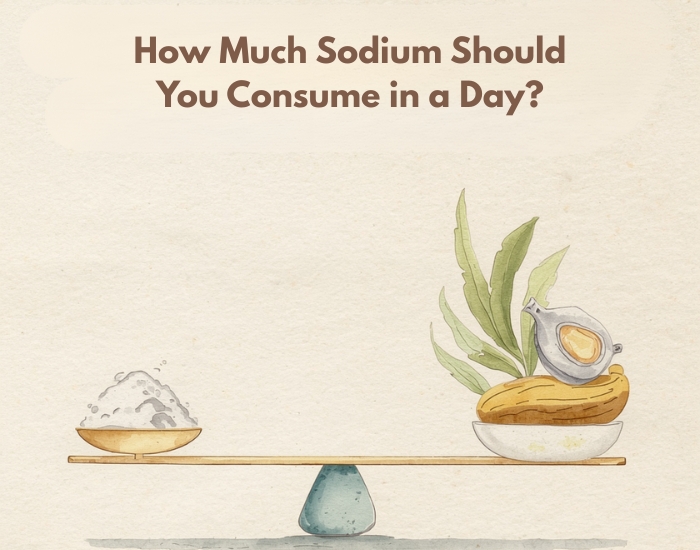
Many people ask, how much sodium should you consume in a day? The answer depends on your overall health, risk factors, and whether you have an existing heart condition. Understanding the recommended daily limits—and how to stay within them—can make a powerful difference in protecting your cardiovascular health.
If you have concerns about blood pressure or heart disease, contact Cypress Cardiovascular Institute at 281-955-9158 to schedule an evaluation.
Why Sodium Matters to Your Body
Sodium plays several important roles:
- Maintains fluid balance
- Supports nerve signaling
- Helps muscles contract
- Assists in maintaining blood pressure
The body needs only a small amount of sodium to perform these functions. The problem arises when sodium intake exceeds the body’s needs. Excess sodium causes the body to retain water, increasing blood volume and placing extra strain on the heart and blood vessels.
Over time, consistently high sodium intake can lead to:
- High blood pressure (hypertension)
- Enlarged heart muscle
- Heart failure
- Stroke
- Kidney damage
Understanding the right daily amount is key to long-term heart protection.
So, How Much Sodium Should You Consume in a Day?
General Recommendation for Healthy Adults
The Dietary Guidelines for Americans recommend:
- No more than 2,300 milligrams (mg) per day
That equals about one teaspoon of salt.
However, most Americans consume far more—often exceeding 3,400 mg daily.
For Individuals with High Blood Pressure or Heart Disease
If you have high blood pressure, heart failure, kidney disease, or diabetes, cardiologists typically recommend:
- 1,500 to 2,000 mg per day
Lower sodium intake helps reduce fluid retention and blood pressure, easing strain on the heart.
If you are unsure which limit applies to you, consult your cardiologist for personalized guidance.
Why Most People Consume Too Much Sodium
Many people believe they only need to limit table salt. In reality, about 70% of sodium intake comes from processed and restaurant foods.
Common high-sodium sources include:
- Packaged snacks
- Frozen dinners
- Canned soups
- Deli meats
- Bread and rolls
- Pizza
- Fast food
- Condiments like soy sauce and ketchup
Even foods that do not taste salty can contain high sodium levels.
The Link Between Sodium and Blood Pressure
Sodium causes the body to retain fluid. When fluid increases in the bloodstream, blood pressure rises.
High blood pressure damages arteries over time, making them stiff and narrow. This forces the heart to work harder, increasing the risk of:
- Heart attack
- Stroke
- Heart failure
- Kidney disease
Reducing sodium intake can lower blood pressure in as little as a few weeks. For many patients, even small reductions can make a measurable difference.
Signs You May Be Consuming Too Much Sodium
Excess sodium does not always cause immediate symptoms, but warning signs may include:
- Swelling in ankles or feet
- Frequent thirst
- Bloating
- Rapid weight gain due to fluid retention
- Elevated blood pressure readings
If you experience these symptoms regularly, dietary changes may be necessary.
How to Calculate Your Daily Sodium Intake
To answer the question how much sodium should you consume in a day, you must first know how much you currently consume.
Step 1: Read Nutrition Labels
Look for:
- Sodium listed in milligrams (mg)
- Serving size
- Percent Daily Value (%DV)
As a guideline:
- 5% DV or less = low sodium
- 20% DV or more = high sodium
Step 2: Track Your Meals
Keep a food diary or use a tracking app to log sodium intake. Many people are surprised at how quickly sodium adds up.
Low-Sodium Food Choices
If you are trying to stay under 2,300 mg—or closer to 1,500 mg—focus on whole, minimally processed foods.
Best Low-Sodium Options:
- Fresh fruits
- Fresh vegetables
- Lean poultry and fish (not pre-seasoned)
- Unsalted nuts
- Whole grains like brown rice and quinoa
- Beans prepared without added salt
- Plain yogurt and milk
Cooking at home allows better control over sodium levels.
Smart Grocery Shopping Strategies
When shopping:
- Choose products labeled “no salt added”
- Compare brands—some contain half the sodium of others
- Avoid pre-marinated meats
- Select frozen vegetables without sauces
- Rinse canned beans and vegetables
Shopping the perimeter of the store—where fresh foods are located—can reduce sodium intake significantly.
Flavor Without Salt: Healthier Alternatives
Many people worry that reducing sodium will make food bland. However, there are numerous ways to enhance flavor without salt:
- Fresh herbs like basil and parsley
- Garlic and onions
- Lemon or lime juice
- Vinegar
- Black pepper
- Paprika and cumin
- Salt-free seasoning blends
Over time, your taste buds adjust, and heavily salted foods may taste overly salty.
Sodium Needs for Specific Groups
Older Adults
Older adults are more sensitive to sodium’s effects on blood pressure. Lower sodium intake is especially beneficial.
People with Heart Failure
Patients with heart failure often require stricter sodium limits to prevent fluid retention and hospitalizations.
Athletes
Athletes who sweat heavily may need slightly more sodium, but this should be evaluated individually.
Individuals with Kidney Disease
Kidney disease often requires reduced sodium intake to prevent fluid overload.
Always consult your healthcare provider for personalized recommendations.
Dining Out Without Exceeding Sodium Limits
Restaurant meals often contain significantly more sodium than home-cooked meals.
Tips for eating out:
- Request no added salt
- Choose grilled, baked, or steamed dishes
- Avoid fried or heavily sauced items
- Ask for dressings on the side
- Control portion sizes
Even making one or two smarter choices can dramatically lower sodium intake.
How Quickly Does Sodium Reduction Help?
Many patients notice improvements within weeks:
- Lower blood pressure readings
- Reduced swelling
- Less bloating
- Improved energy levels
Long-term sodium reduction decreases cardiovascular risk and supports overall health.
What Happens If You Consume Too Little Sodium?
While rare in the general population, extremely low sodium intake can cause symptoms such as:
- Dizziness
- Confusion
- Nausea
- Muscle cramps
However, most individuals are far more likely to consume too much rather than too little sodium.
Moderation—not elimination—is the goal.
Practical Daily Sodium Targets
Here’s a simplified breakdown:
- Healthy adults: up to 2,300 mg/day
- High blood pressure or heart disease: 1,500–2,000 mg/day
- Heart failure patients: Often 1,500–2,000 mg/day (as directed)
Discuss your ideal sodium limit with your cardiologist.
Monitoring Blood Pressure Alongside Sodium Intake
Tracking sodium is most effective when combined with regular blood pressure monitoring.
Consider:
- Checking blood pressure at home
- Keeping a log of readings
- Sharing results with your healthcare provider
Improvement in blood pressure is often a clear sign that sodium reduction is working.
When to See a Cardiologist
You should schedule a cardiovascular evaluation if you have:
- Persistent high blood pressure
- Swelling in your legs or abdomen
- Shortness of breath
- Chest discomfort
- A family history of heart disease
At Cypress Cardiovascular Institute, our board-certified cardiologists provide comprehensive heart evaluations and personalized dietary guidance.
Cardiovascular Care in Cypress and Houston
At Cypress Cardiovascular Institute, our team of cardiologists provides comprehensive care for patients with CHF and other heart conditions. Our services include:
- Personalized heart health evaluations
- Nutritional guidance for low sodium and heart-healthy diets
- Advanced diagnostics and imaging at our Methodist Cypress Imaging Center
Locations & Contact Information:
Cypress Cardiovascular Institute – Methodist Office (MOB2)
24518 Northwest Fwy Ste 325, Cypress, TX 77429
Phone: 281-955-9158
Cypress Cardiovascular Institute – Dr. Pavillion (POB3)
10425 Huffmeister Rd Ste 330, Houston, TX 77065
Phone: 281-955-8818
Imaging Center: Methodist Cypress (MOB2)
24518 Northwest Fwy Ste 345, Cypress, TX 77429
Our dedicated team includes:
- Dr. Daye Jad Daye, M.D., RPVI – Interventional Cardiologist, Founder
- Michael Hust, M.D. – Interventional Cardiologist
- Mobeen Mazhar, M.D. – Interventional Cardiologist
- Dr. Mohamed Elrifai, M.D. – Interventional and Structural Cardiologist
Together, we guide patients through personalized care plans that include dietary recommendations, medication management, and lifestyle modifications to protect heart health.
Final Thoughts
So, how much sodium should you consume in a day? For most adults, no more than 2,300 mg—and ideally closer to 1,500–2,000 mg if you have high blood pressure or heart disease.
Reducing sodium intake is one of the most effective ways to protect your heart. By reading labels, choosing fresh foods, and preparing meals thoughtfully, you can significantly lower your cardiovascular risk.
If you have concerns about blood pressure or heart health, contact Cypress Cardiovascular Institute at 281-955-9158 to schedule an appointment.
Your heart works hard for you every day—make choices that support it.
Medical Disclaimer: This content is for educational purposes only and does not replace professional medical advice, diagnosis, or treatment. Sodium needs may vary based on individual health conditions, including heart disease, kidney disease, and high blood pressure. Always consult your healthcare provider before making significant dietary changes. If you are experiencing urgent symptoms such as chest pain or severe shortness of breath, seek immediate medical attention.