






Managing congestive heart failure (CHF) can feel overwhelming, especially when it comes to making dietary changes. One of the most important adjustments for patients with CHF is following a low sodium diet. Sodium, commonly found in table salt and processed foods, can increase fluid retention and put additional strain on the heart. Understanding why sodium matters, how to reduce it safely, and which foods support heart health is essential for improving quality of life and preventing complications.
If you or a loved one are living with CHF, the experts at Cypress Cardiovascular Institute in Cypress, TX are here to help.
What Is Congestive Heart Failure?
Congestive heart failure occurs when the heart cannot pump blood efficiently to meet the body’s needs. This can lead to fluid buildup in the lungs, legs, and other tissues, causing symptoms such as:
- Shortness of breath, especially when lying down
- Swelling in the ankles, legs, or abdomen
- Fatigue and weakness
- Rapid or irregular heartbeat
- Persistent coughing or wheezing
CHF can result from conditions like coronary artery disease, high blood pressure, heart valve problems, or previous heart attacks. Managing CHF involves a combination of medications, lifestyle changes, and dietary modifications—among which sodium reduction is crucial.
How Sodium Affects Heart Function
Sodium plays a key role in maintaining fluid balance in the body. While a small amount is necessary for normal nerve and muscle function, excess sodium can cause the body to retain water. For someone with CHF, this fluid retention increases pressure on the heart and lungs, worsening symptoms like:
- Swelling in the lower extremities
- Weight gain from fluid buildup
- Shortness of breath
- Increased risk of hospitalizations
By reducing sodium intake, patients can help prevent fluid overload, ease symptoms, and improve overall heart function.
Benefits of a Low Sodium Diet for CHF Patients
Adopting a low sodium diet offers multiple benefits for people living with congestive heart failure:
- Reduced Fluid Retention: Less sodium in the diet means the body is less likely to hold onto extra fluid, reducing swelling and pressure on the heart.
- Lower Blood Pressure: Sodium contributes to elevated blood pressure, which can strain the heart. Cutting back helps maintain healthier blood pressure levels.
- Improved Symptom Management: Patients often notice decreased shortness of breath, less fatigue, and improved daily comfort.
- Decreased Hospitalizations: Proper dietary management can prevent CHF flare-ups that require urgent medical care.
- Enhanced Medication Effectiveness: Diuretics, commonly prescribed to remove excess fluid, work more effectively when sodium intake is controlled.
Overall, a low sodium diet is a cornerstone of CHF management, complementing medication and lifestyle changes to protect heart health.
Foods to Avoid – High Sodium Off-Limits
Many everyday foods contain hidden sodium that can undermine CHF management. Common items to limit or avoid include:
- Processed and packaged foods: Canned soups, frozen meals, instant noodles
- Deli meats and cured meats: Ham, salami, bacon, hot dogs
- Snack foods: Potato chips, pretzels, salted nuts
- Condiments and sauces: Soy sauce, ketchup, barbecue sauce
- Cheese and dairy: Processed cheese, certain cheeses high in salt
- Fast food: Burgers, fries, pizza, fried chicken
Reading nutrition labels is essential. Look for sodium content per serving and aim for less than 2,000 mg per day, or as recommended by your cardiologist.
Heart-Healthy Foods and Substitutes
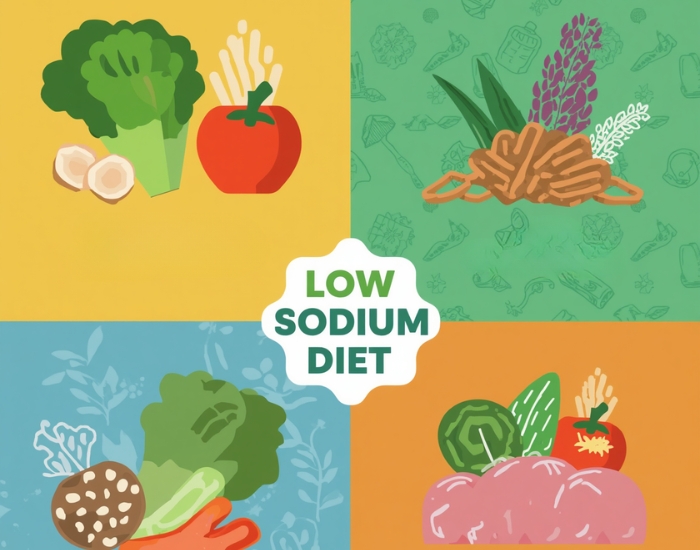
Reducing sodium doesn’t mean sacrificing flavor. Incorporating fresh, whole foods can help maintain a delicious, heart-friendly diet:
- Fruits and vegetables: Fresh, frozen, or low-sodium canned options
- Lean proteins: Skinless poultry, fish, legumes, tofu
- Whole grains: Brown rice, quinoa, oats, whole wheat bread (unsalted)
- Low-sodium dairy: Milk, yogurt, and unsalted cheeses
- Herbs and spices: Garlic, onion, basil, rosemary, lemon juice, vinegar
Cooking at home is one of the best ways to control sodium intake. Experiment with herb blends, citrus, and spices to add flavor without relying on salt.
Tips for Dining Out and Meal Prep
Eating outside the home can be challenging for CHF patients, but with planning, it is possible to maintain a low sodium diet:
- Ask for modifications: Request no added salt or sauces, and choose grilled or baked options.
- Check nutritional information: Many restaurants provide online nutrition facts to help identify low-sodium choices.
- Portion control: Restaurant servings are often large; consider splitting meals or taking half home.
- Plan meals ahead: Preparing meals in advance reduces reliance on fast food and high-sodium convenience items.
- Use sodium substitutes: Lemon, vinegar, and spice blends enhance flavor without extra salt.
Monitoring Your Sodium Intake
Keeping track of sodium intake can empower CHF patients to make informed choices:
- Read labels carefully: Sodium can hide under many names, including monosodium glutamate (MSG), baking soda, and sodium nitrate.
- Keep a food diary: Record meals, snacks, and sodium content to identify areas for improvement.
- Weigh yourself daily: Sudden weight gain may indicate fluid retention, signaling a need to adjust sodium or medications.
- Consult your cardiologist: Regular check-ins help track symptoms and adjust your dietary plan safely.
Lifestyle Changes to Support Heart Health
A low sodium diet is one piece of the puzzle. Additional lifestyle habits that benefit CHF patients include:
- Regular physical activity: Light to moderate exercise, as approved by your cardiologist
- Maintaining a healthy weight: Reduces strain on the heart
- Limiting alcohol intake: Excess alcohol can exacerbate CHF
- Quitting smoking: Protects blood vessels and improves heart function
- Managing stress: Techniques such as deep breathing, yoga, or counseling can improve overall heart health
Together, these changes improve quality of life and complement a low sodium diet for CHF management.
When to Seek Medical Advice
Even with careful dietary management, CHF patients must remain vigilant. Seek professional evaluation if you experience:
- Sudden swelling in your legs, ankles, or abdomen
- Shortness of breath at rest
- Rapid or irregular heartbeat
- Unexplained fatigue
- Persistent cough or wheezing
Early intervention can prevent complications and help maintain long-term heart health.
Local Resources – Cypress Cardiovascular Institute
At Cypress Cardiovascular Institute, our team of cardiologists provides comprehensive care for patients with CHF and other heart conditions. Our services include:
- Personalized heart health evaluations
- Nutritional guidance for low sodium and heart-healthy diets
- Advanced diagnostics and imaging at our Methodist Cypress Imaging Center
Locations & Contact Information:
Cypress Cardiovascular Institute – Methodist Office (MOB2)
24518 Northwest Fwy Ste 325, Cypress, TX 77429
Phone: 281-955-9158
Cypress Cardiovascular Institute – Dr. Pavillion (POB3)
10425 Huffmeister Rd Ste 330, Houston, TX 77065
Phone: 281-955-8818
Imaging Center: Methodist Cypress (MOB2)
24518 Northwest Fwy Ste 345, Cypress, TX 77429
Our dedicated team includes:
- Dr. Daye Jad Daye, M.D., RPVI – Interventional Cardiologist, Founder
- Michael Hust, M.D. – Interventional Cardiologist
- Mobeen Mazhar, M.D. – Interventional Cardiologist
- Dr. Mohamed Elrifai, M.D. – Interventional and Structural Cardiologist
Together, we guide patients through personalized care plans that include dietary recommendations, medication management, and lifestyle modifications to protect heart health.
Conclusion
A low sodium diet is a cornerstone of managing congestive heart failure. By reducing sodium intake, monitoring symptoms, and embracing heart-healthy lifestyle changes, patients can:
- Minimize fluid retention
- Improve energy and daily functioning
- Lower the risk of hospitalizations
- Enhance overall heart health
If you or a loved one are managing CHF, don’t wait to take control of your health. The compassionate team at Cypress Cardiovascular Institute in Cypress, TX is ready to provide personalized guidance, from dietary recommendations to advanced cardiac care.
Call us today at 281-955-9158 or schedule an appointment and start your journey toward a healthier heart.
Medical Disclaimer: This article is for educational purposes only and does not replace professional medical advice, diagnosis, or treatment. Always consult a qualified healthcare provider regarding heart health or dietary changes. If you experience chest pain, shortness of breath, or other urgent symptoms, call 911 immediately.